Human civilization is the result of thousands of years of learning, adaptation, and transformation. From the earliest communities formed around rivers and fertile lands to the vast interconnected societies of the modern era, humanity has continuously developed systems of knowledge, culture, governance, technology, and cooperation. These systems have allowed people to build cities, create institutions, exchange ideas, and gradually shape the world we inhabit today.
Throughout history, civilizations have risen in different regions of the world, each contributing to the broader human story. Ancient societies in Mesopotamia, Egypt, India, China, Greece, and many other regions laid important foundations for mathematics, philosophy, science, governance, and cultural development. Later civilizations expanded these foundations through trade networks, exploration, and intellectual discovery. Over time, the accumulated knowledge of humanity formed the basis of the modern world.
Yet history also shows that civilizations are not static structures. They are living processes that evolve over time. Social systems change, technologies transform industries, ideas reshape cultures, and new generations reinterpret the meaning of progress and cooperation. What appears stable in one era may be completely transformed in the next.
In the present age, humanity is experiencing one of the most profound transitions in its civilizational history. Advances in digital communication, artificial intelligence, biotechnology, global trade, and scientific discovery have created a world where societies are more interconnected than ever before. Decisions made in one region can influence conditions across continents. Innovations developed in one industry can reshape entire economic systems.
This level of global interconnectedness has gradually begun to form what can be understood as a planetary stage of civilization. Humanity is no longer only a collection of separate societies developing in isolation. Instead, it is increasingly becoming a shared civilizational network in which cultures, economies, technologies, and ideas interact continuously.
It is within this context that the concept of Konsmik Civilization emerges.
Konsmik Civilization represents a framework for understanding humanity as a collective civilizational journey rather than a fragmented collection of competing identities. It recognizes that while cultures, traditions, and communities remain deeply important to human identity, there is also a growing need for a broader sense of shared belonging that transcends the divisions that have historically separated societies.
Rather than replacing cultural or national identities, Konsmik Civilization proposes a higher civilizational perspective in which humanity recognizes its shared destiny while continuing to celebrate diversity. People may belong to different cultures, languages, and traditions, yet they can also recognize themselves as participants in a larger human story.
This idea is closely connected to the vision of Konsmia, which defines humanity as The Trybe of the Future. Within this vision, individuals are encouraged to maintain the richness of their cultural and tribal roots while simultaneously embracing a broader identity that emphasizes cooperation, knowledge, dignity, and shared progress.
Konsmik Civilization therefore represents not only a way of interpreting history, but also a way of imagining the future of humanity. As global challenges and opportunities continue to emerge, societies increasingly need frameworks that encourage collaboration rather than division. Issues such as technological transformation, environmental sustainability, economic inequality, and global governance cannot be effectively addressed through isolated perspectives alone.
Instead, they require a civilizational awareness that recognizes humanity’s interconnected nature.
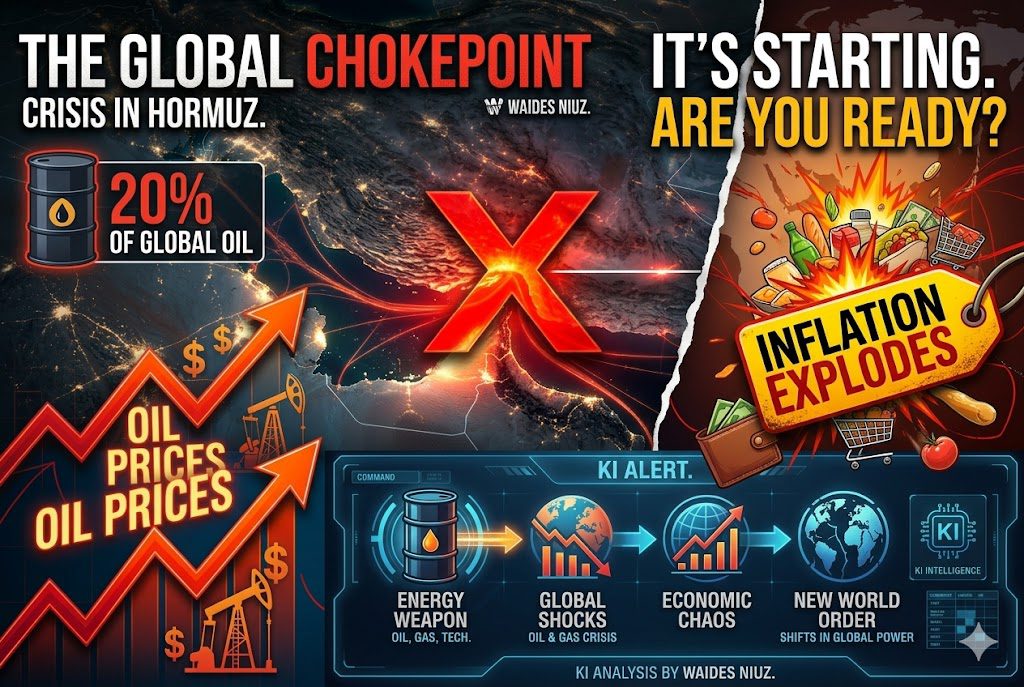
In this broader framework, knowledge and understanding play a central role. The more societies are able to interpret the forces shaping their world, the better they can navigate change and build systems that support long-term stability and prosperity. This is where initiatives such as Konsmik Intelligence (KI) and platforms like WaidesNiuz become important.
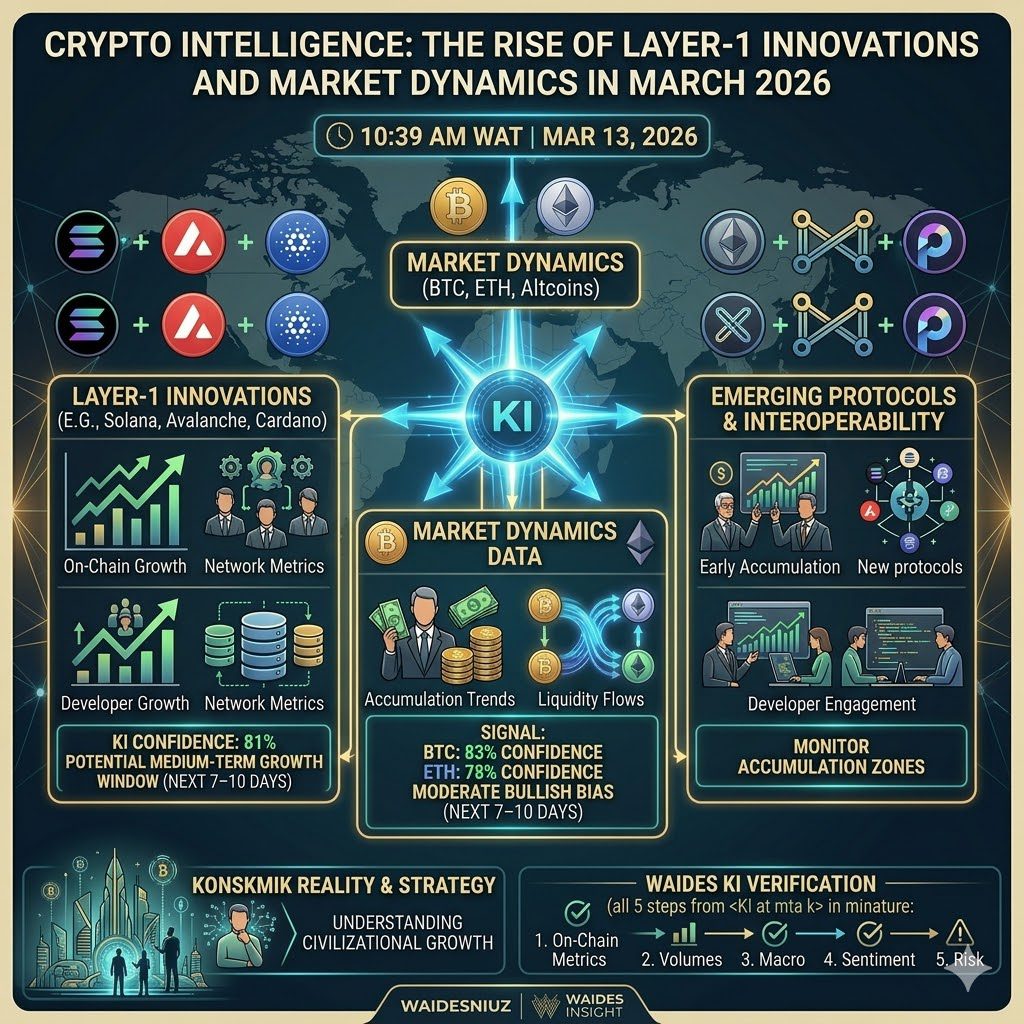
Konsmik Intelligence provides an interpretive lens for observing the patterns and relationships that shape modern civilization. By examining how technological innovation, economic systems, cultural movements, and political decisions interact, KI helps reveal the deeper dynamics influencing the direction of human development.
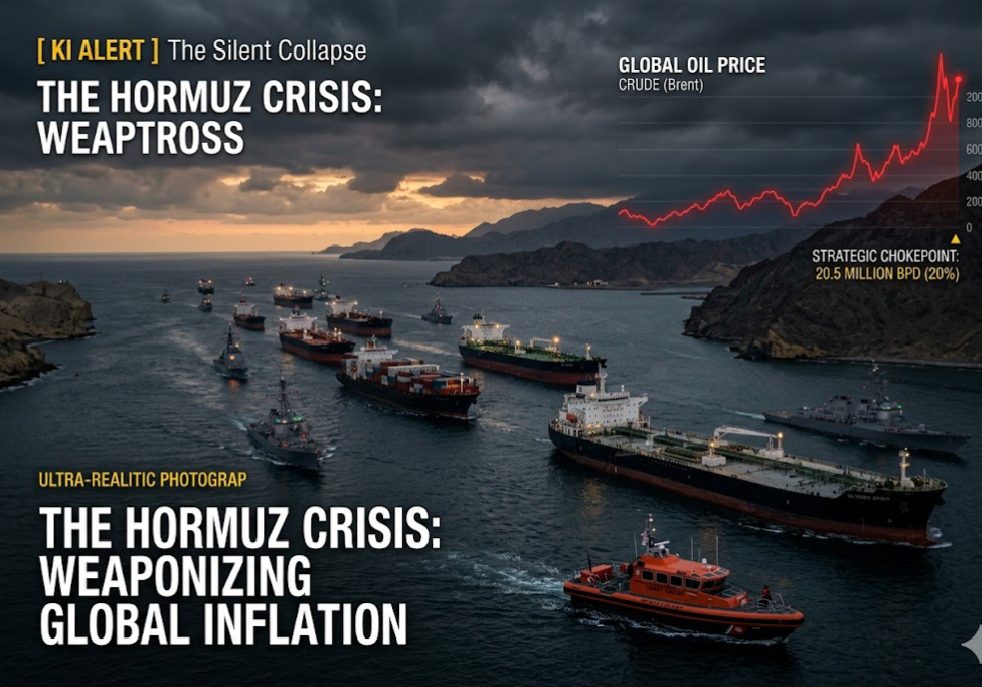
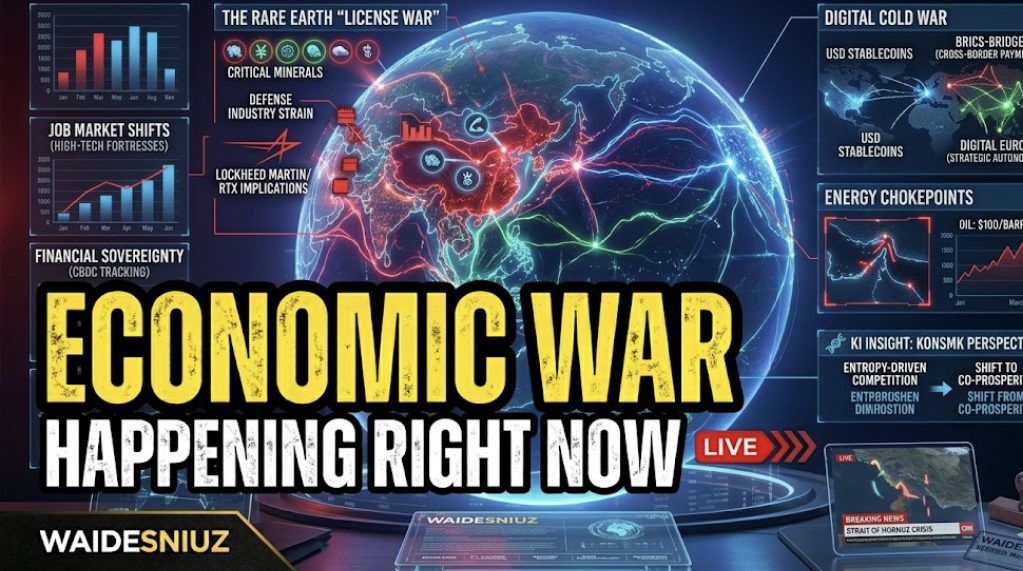
WaidesNiuz applies this perspective to the interpretation of global events. Rather than presenting news only as isolated headlines, it seeks to examine how developments across societies connect to broader civilizational trends. In doing so, the platform contributes to a deeper awareness of the forces shaping the modern world.
Within the larger Konsmia vision, Konsmik Civilization can therefore be understood as the philosophical foundation that connects these ideas together. It represents an effort to cultivate a more thoughtful understanding of humanity’s shared journey, one that recognizes both the diversity of cultures and the growing unity of a globally interconnected civilization.
As humanity enters an era defined by rapid technological advancement and expanding knowledge, the possibilities for civilizational development continue to grow. New discoveries may reshape the way people live, communicate, and explore the universe itself. At the same time, the choices societies make in the present will influence the kind of world future generations inherit.
Konsmik Civilization invites individuals to reflect on this moment in history with a broader perspective. It encourages people to see beyond immediate divisions and recognize the long-term story unfolding across humanity’s shared existence.
In this story, civilization is not merely a record of past achievements. It is an ongoing journey of discovery, cooperation, and growth, a journey that continues to evolve as humanity learns to understand itself and the universe it inhabits.