

Waides Feed
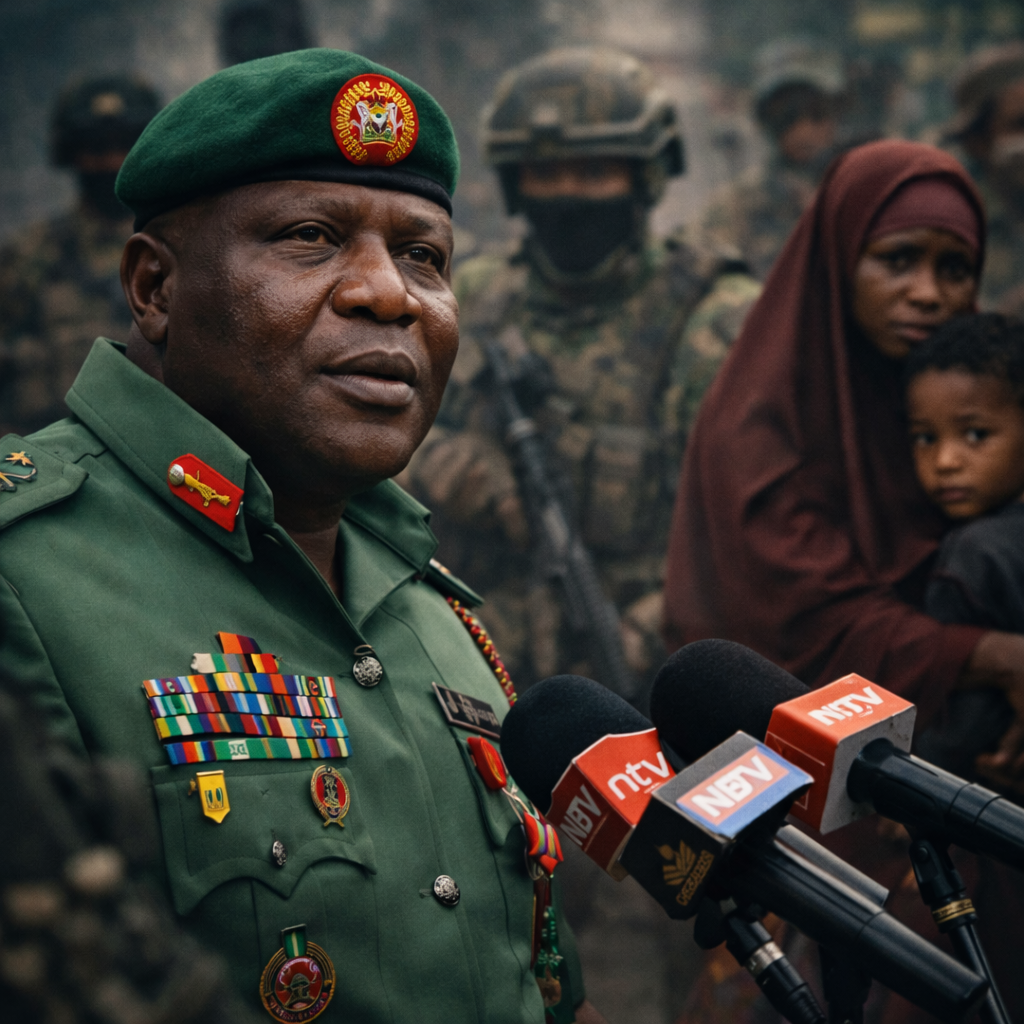
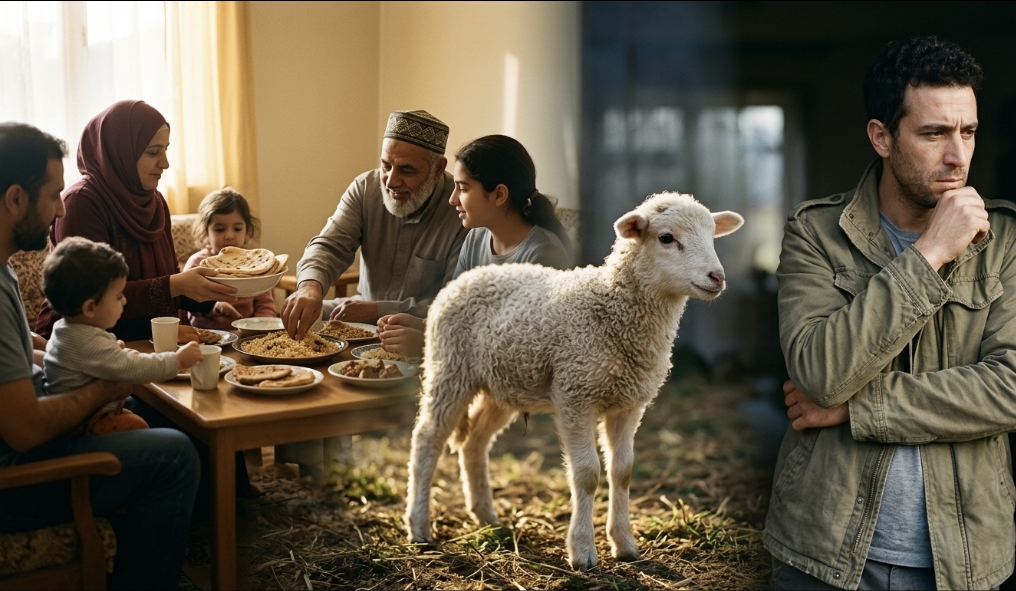
A statement has ignited a wave of intense national and global debate. Nigeria’s Chief of Defence Staff, Christopher Gwabin Musa Oluyede, suggested that individuals involved in terrorism should be given a chance at repentance—drawing a parallel to the biblical story of the prodigal son.
The message is simple, yet deeply complex:
Even those who have caused harm may deserve a path back.
But in a world already strained by violence, fear, and insecurity, this raises a critical question—can a society afford mercy without risking its own safety?
Why It Matters / Public Context
This is not just a statement—it is a reflection of a deeper struggle faced by many nations dealing with insurgency and terrorism.
Nigeria, like several regions across Africa and the Middle East, has been battling prolonged security challenges involving extremist groups. These conflicts are not only military—they are social, economic, and psychological.
The idea of offering second chances introduces a shift:
- From punishment → to rehabilitation
- From elimination → to reintegration
But the public reaction reveals a divide:
- Some see it as humanity and wisdom
- Others see it as dangerous leniency
At the center lies a tension between justice for victims and hope for transformation.
For Africa and Global Systems
Across Africa, countries facing insurgencies—from Nigeria to parts of the Sahel—are increasingly exploring deradicalization and reintegration programs. The logic is strategic: not all fighters are ideologically committed; some are coerced, manipulated, or driven by poverty.
Globally, similar approaches have been tested:
- In parts of the Middle East, rehabilitation programs have attempted to reintegrate former extremists
- In Western nations, deradicalization initiatives focus on preventing future recruitment
However, success varies widely.
The challenge is not just reintegration—it is trust:
- Can communities accept former perpetrators?
- Can systems monitor and ensure genuine change?
- Can victims reconcile with those who harmed them?
Africa stands at a crucial crossroads—whether to double down on force, or experiment with human-centered security models.
KI Analysis
according to KI analysis, this situation reflects a fundamental dilemma in human systems: how to break cycles of violence without perpetuating them.
Opportunities:
- Reducing long-term conflict by converting former fighters into productive citizens
- Weakening extremist groups by offering exit pathways
- Addressing root causes such as poverty, lack of education, and marginalization
Risks:
- Reintegration without proper verification could lead to security breaches
- Public trust in institutions may erode if justice appears compromised
- Victims may feel unheard, deepening societal wounds
From a human-centered lens, the real issue is not forgiveness alone—it is structured transformation. Without systems that ensure accountability, monitoring, and psychological rehabilitation, mercy can become vulnerability.
In Konsmik Civilization, justice and mercy are not opposites—they are synchronized. Every individual is given a path to transformation, but only through verified change, truth acknowledgment, and contribution to society. Redemption is earned through alignment, not assumed through words.
Konsmik Reality
Short-Term (1–2 years):
Public debate will intensify. Governments may expand deradicalization programs, but skepticism and resistance from citizens—especially victims—will remain high.
Medium-Term (3–5 years):
Structured reintegration frameworks may emerge, combining surveillance, psychological evaluation, and economic reintegration. Success stories could begin to reshape public perception.
Long-Term (5–10 years):
A new model of conflict resolution may take shape—one that blends security enforcement with human rehabilitation. Nations that master this balance could achieve more sustainable peace than those relying solely on force.
Reflection Question
If a society refuses to forgive, does it risk creating endless cycles of violence?
But if it forgives too easily, does it risk forgetting the cost of justice?











Leave a Reply