

Analysis By: WaidesNiuz Editorial Team
The Reality Check
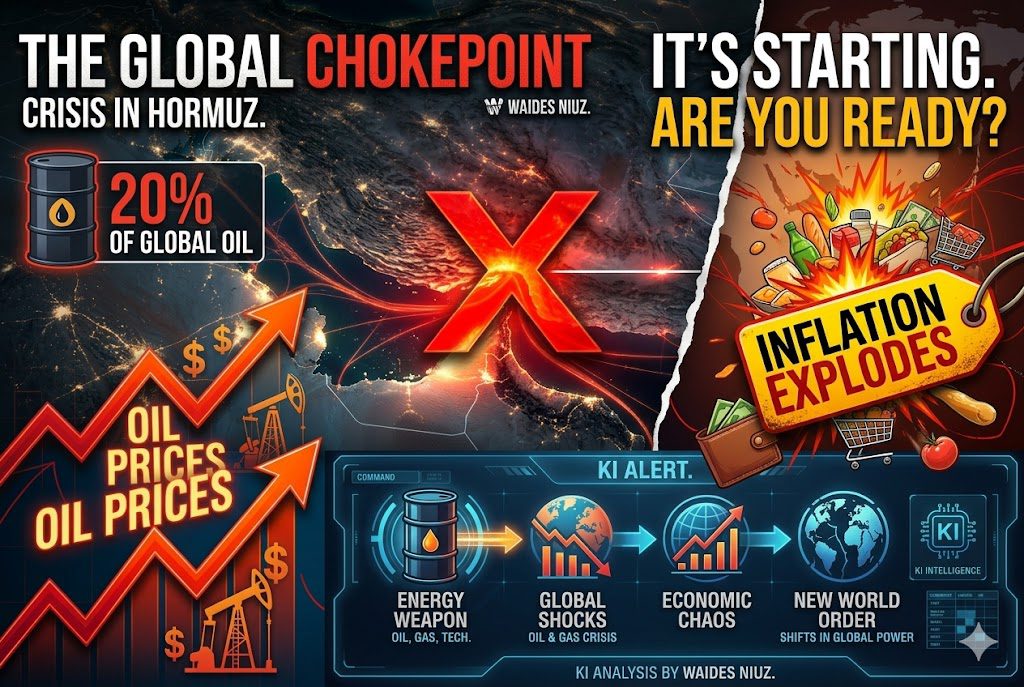
As global markets struggle with rising volatility, analysts are increasingly focusing on a critical geopolitical pressure point: the Strait of Hormuz.
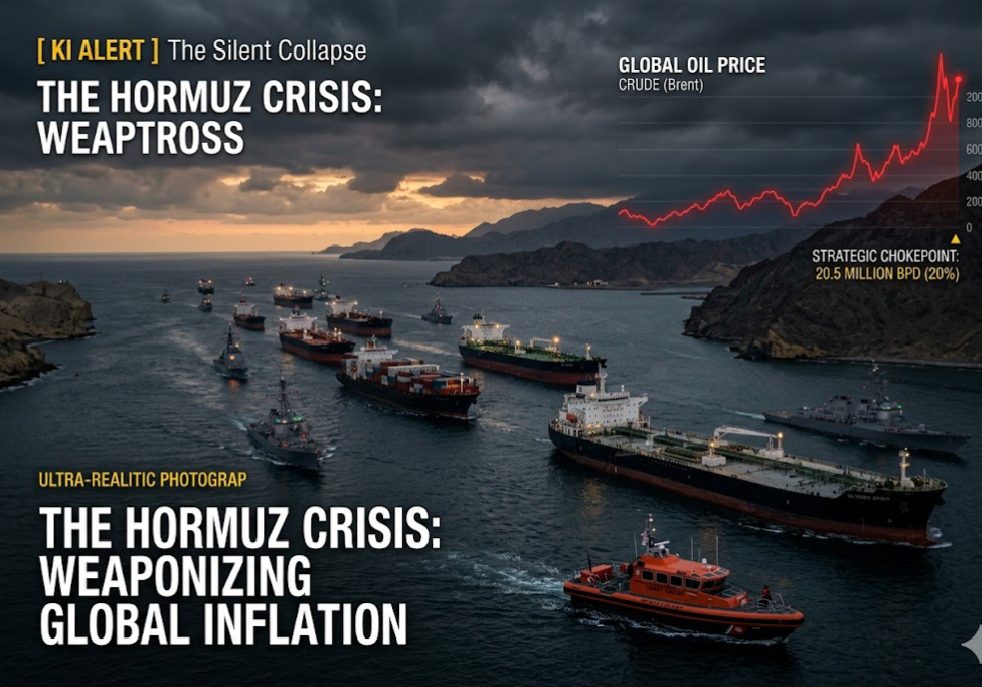
This narrow maritime corridor carries roughly 20% of the world’s oil supply, making it the most strategically sensitive energy chokepoint on Earth. Recent military tensions and shifts in naval alliances have intensified concerns about potential disruptions. While mainstream media focuses on daily price fluctuations, a deeper structural force is at play: the emergence of a “silent economic battlefield.”
KI Analysis: Understanding the Strategic Shift
According to Konsmik Intelligence (KI) monitoring, the current situation is not a random escalation. It is a convergence of three powerful forces: Energy Control, Economic Leverage, and Currency Influence.
1. Strategic Resource Pressure
If the Strait of Hormuz experiences even a limited disruption, the impact is immediate. Nearly one-fifth of the world’s oil and liquefied natural gas (LNG) exports travel this route daily. Historically, such supply shocks trigger waves of global inflation, affecting everything from international shipping to local food prices.
2. The Financial Domino Effect
Oil is primarily traded in the Petrodollar system. When energy supply becomes unstable, it drives volatility in currencies and digital assets. We are already tracking unusual liquidity movements as investors search for alternative hedges against currency instability.
The Impact: From Global Markets to West Africa
West Africa
For many West African economies, rising global fuel costs translate directly into higher transportation and production expenses. This forces a difficult choice: maintain heavy fuel subsidies or allow market prices to rise—both of which carry significant social and economic weight.
Europe
European industries remain highly sensitive to energy shocks. A sustained spike in oil prices could reduce industrial competitiveness and slow economic growth across the continent.
The KI Insight: War by Other Means
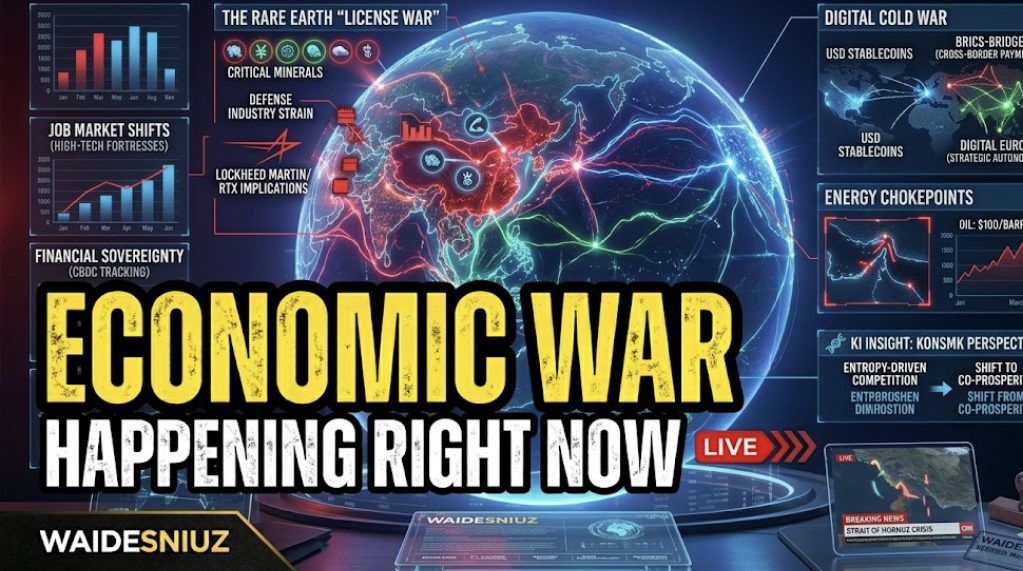
Modern conflicts are no longer fought only with hardware. Economic pressure and supply chain disruption have become the primary strategic instruments of global competition.
In the framework of Konsmik Civilization, energy and resources should be shared foundations for stability. However, the current global order views them as weapons. Inflation, therefore, is not just a statistic—it is the visible symptom of a deeper geopolitical struggle.
WaidesNiuz Verdict
Major economic shocks rarely emerge from a single event. They develop through interconnected systems of finance, politics, and technology. Understanding these patterns is essential for anticipating the structural changes shaping our future.
What do you think? Will the world move toward a new energy alliance, or are we entering an era of permanent inflation? Let us know in the comments.






Leave a Reply