

🌱 Nature Profile
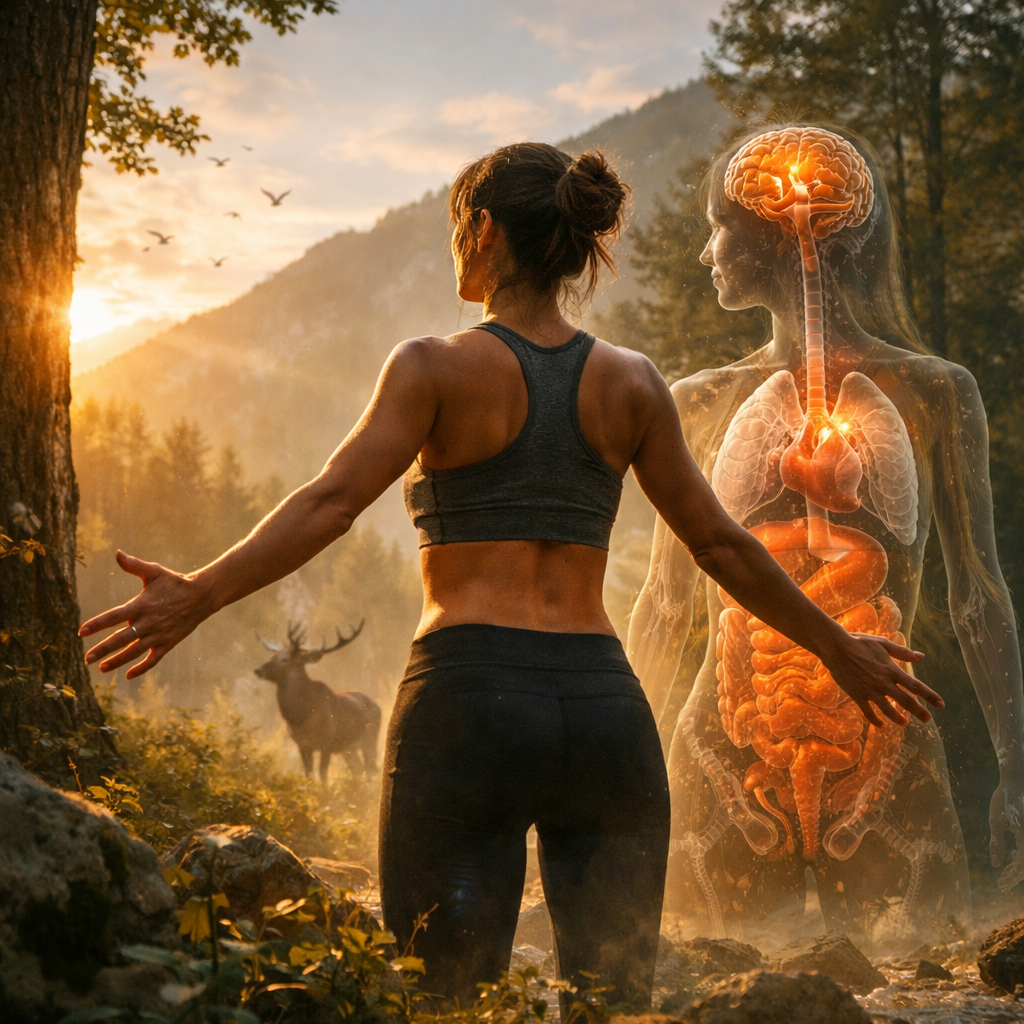
In nature, nothing adjusts instantly.
When seasons change, trees don’t immediately bloom — they pause, conserve, and reorganize.
When the weather shifts, animals don’t panic — they slow down, migrate, or adapt their behavior.
👉 Nature does not break under change.
👉 It adjusts before it stabilizes.
Your body follows this same intelligence.
🌳 Body Map
Inside your body, everything is connected.
When something changes — food, sleep, stress — this is what happens:
Stress or change → affects hormones (like cortisol) → affects sleep quality → affects energy production → leads to fatigue
Or:
Diet change → affects blood sugar → affects energy stability → affects brain and body performance
👉 So what you feel is not random
It is a chain reaction of adjustment
🏺 Primary Memory
You sleep… but still wake up tired.
You try to eat better… suddenly you feel weak.
You reduce sugar… now you have headaches.
You start working out… your body feels heavy and slow.
And the thought comes:
👉 “Something is wrong with me”
🌿 Gathering
This is not random.
👉 This is not your body failing.
This is your body:
- Rebalancing
- Recalculating
- Reorganizing internal systems
👉 This is adaptation under pressure or change
🧪 Preparation
Let’s break it down clearly.
When you change something, your body must:
- Adjust energy production
- Rebalance hormones
- Reorganize digestion
- Stabilize internal systems
Example:
When you reduce sugar:
- Your body stops relying on quick glucose
- It begins switching to stored energy (fat)
During this transition, you may feel:
- Weak
- Tired
- Mentally slow
👉 Not because you are getting worse
👉 But because your body is switching systems
🛤️ Healing Path
Now, what should you actually do?
✅ 1. Identify the trigger
Ask:
- What changed recently?
- Diet? Sleep? Stress? Routine?
👉 This helps you understand the cause
✅ 2. Give your body time to adjust
If it started after a positive change:
- Allow 3–7 days (sometimes longer)
- Stay consistent
👉 Adaptation takes time
✅ 3. Stabilize your basics
Focus on:
- Regular meals (not random eating)
- Enough water
- Consistent sleep timing
❌ What NOT to do
- Don’t panic and reverse healthy changes too quickly
- Don’t jump between multiple solutions at once
- Don’t overload your body with extreme routines
⏳ What to expect
- Temporary discomfort
- Gradual stabilization
- Improved energy after adjustment
🏺 Ancestral Memory
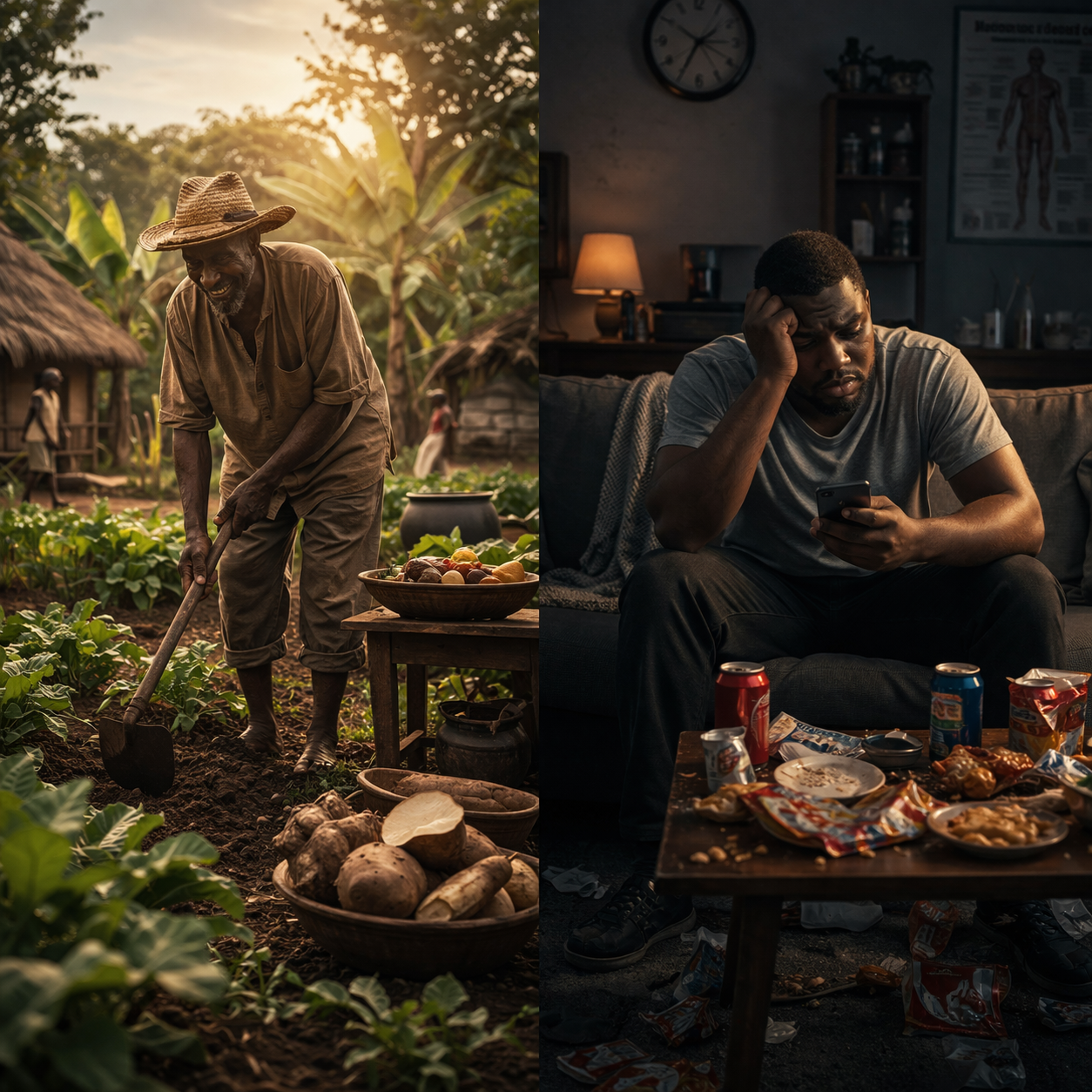
Before modern confusion, people understood this naturally.
Fatigue wasn’t immediately seen as sickness.
It was seen as:
👉 A signal
👉 A shift
👉 A need for balance
People observed patterns before reacting.
🧬 KI Insight
According to KI analysis, most people misinterpret adaptation because they expect instant comfort instead of biological adjustment.
🔴 Common Mistakes
- Stopping too early when discomfort appears
- Assuming every symptom is a problem
- Overloading the body with too many changes at once
- Ignoring patterns and reacting emotionally
🟢 Correct Approach
- Observe what changed before symptoms started
- Stay consistent with positive habits
- Allow time for internal adjustment
- Support the body instead of fighting it
🌍 Human Importance Layer
If you misunderstand your body:
- You panic easily
- You depend on quick fixes
- You interrupt natural adjustment
If you understand your body:
- You stay calm during change
- You support internal balance
- You make better long-term decisions
👉 The difference is awareness
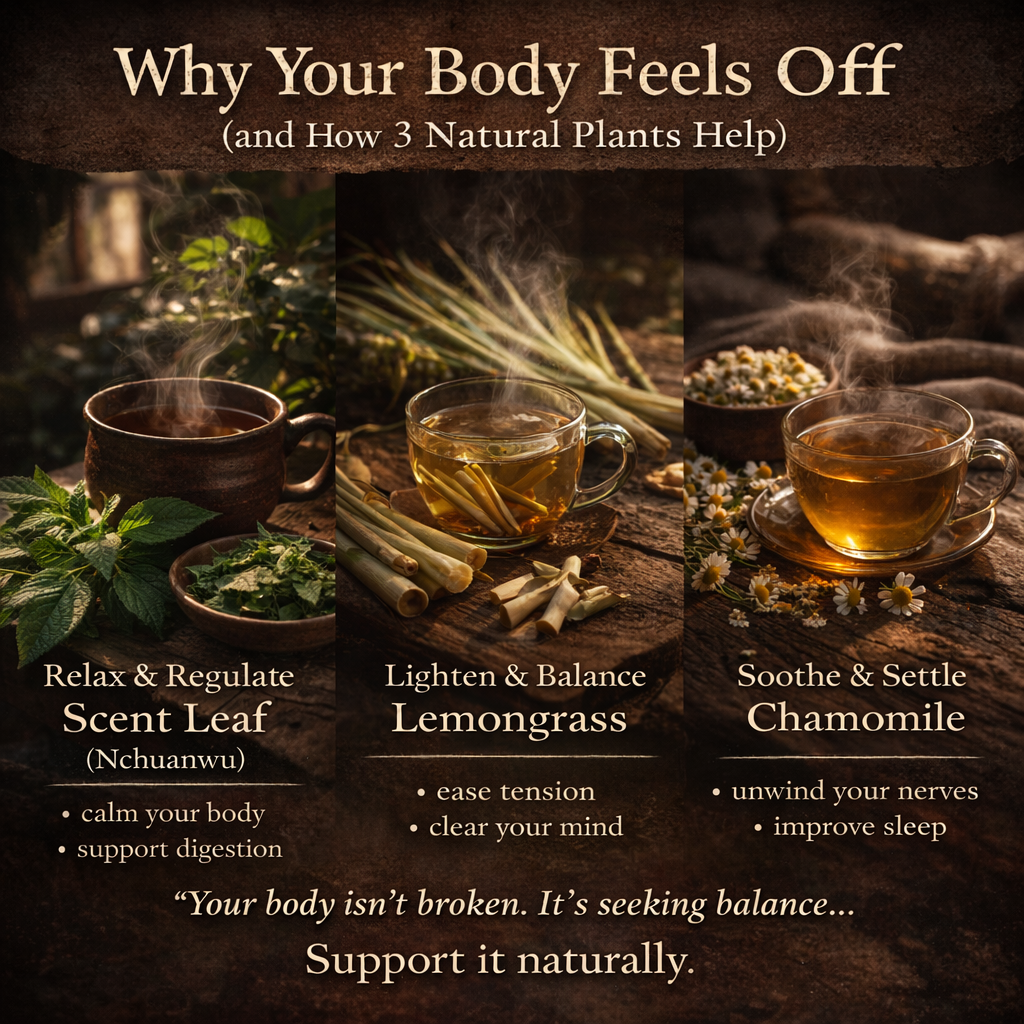
🌿 Natural Support Layer
Some natural supports can help the body adapt more smoothly:
- Ginger → supports digestion and reduces internal stress
- Turmeric → helps manage inflammation during adjustment
- Moringa → supports energy and nutrient balance
👉 These don’t “fix instantly”
👉 They support the body’s adjustment process
🌍 Konsmik Civilization
In Konsmik Civilization, people don’t panic when the body feels different.
They ask:
👉 “What is changing?”
👉 “What is my body responding to?”
They track patterns before reacting.
Because understanding is valued more than quick solutions.
🔮 From the Lens of Konsmik Reality
Past:
Humans understood body signals and adapted with them
Present:
Humans panic and misinterpret natural reactions
Future:
Humans will return to awareness and alignment
⚖️ Safety Layer
- If symptoms are severe, persistent, or worsening — seek proper medical attention
- Extreme fatigue, fainting, or unusual pain should not be ignored
- Adaptation should improve over time, not continuously decline
🌿 Final Clarity
Your body is not designed to fail easily.
What you feel is often not damage.
👉 It is adjustment
👉 It is communication
👉 It is intelligence working to keep you stable
The real problem is not the feeling.
👉 The real problem is misunderstanding it.









Leave a Reply