

Waides Feed
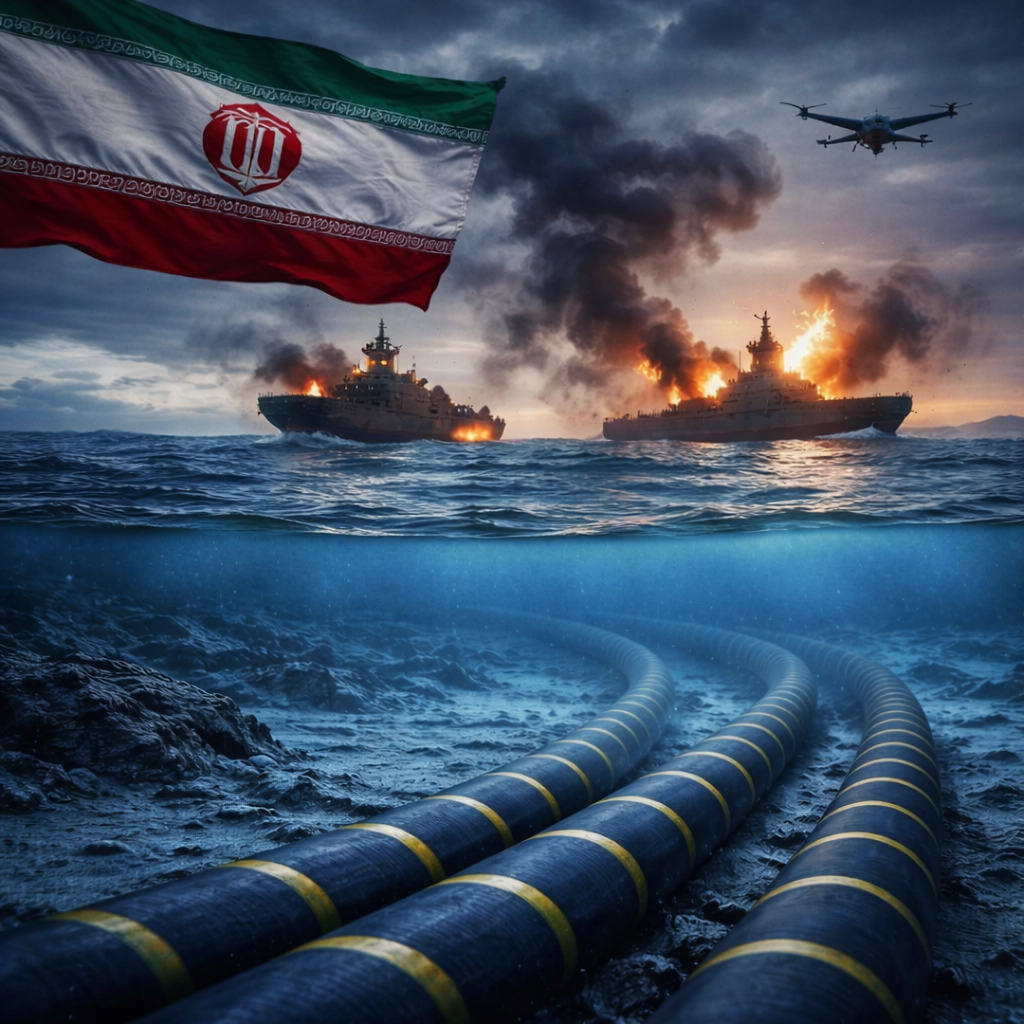
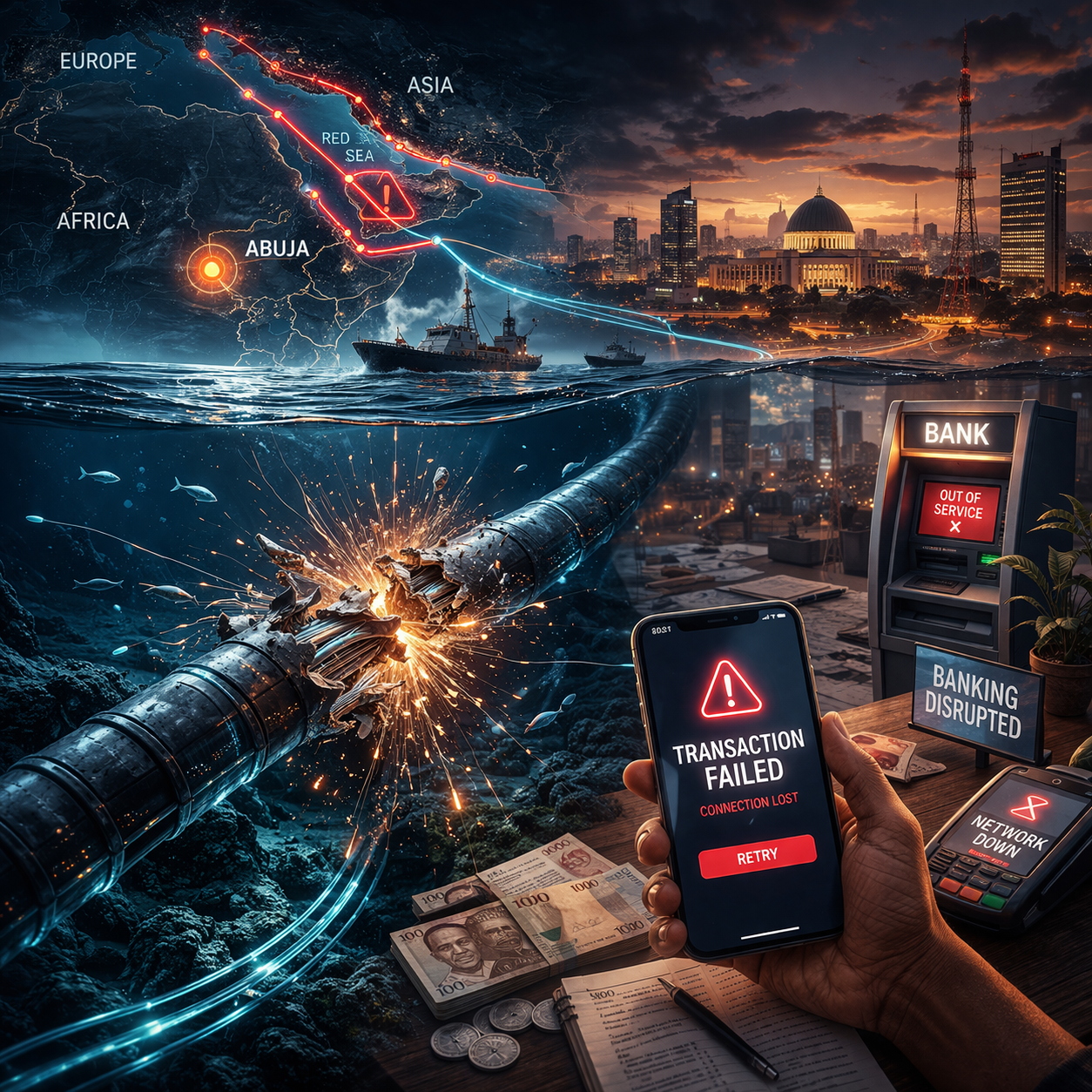
A new warning is sending quiet shockwaves across global systems. Iran has reportedly threatened to target undersea internet cables in strategic waters like the Strait of Hormuz and the Red Sea—routes responsible for carrying up to 95–97% of global data.
This is not a traditional threat of missiles or troops.
It is a threat against something far more fundamental—the invisible infrastructure that powers the modern world.
Because beneath the oceans lies a vast network of cables that carry:
- Financial transactions
- Global communications
- Government and military data
- The very pulse of the digital economy
If disrupted, the world would not go dark—it would go disconnected.
Why It Matters / Public Context
Most people imagine the internet as satellites or wireless signals. In reality, the backbone of global connectivity is physical—thousands of kilometers of fiber-optic cables laid across the ocean floor.
These cables support:
- International banking systems
- Stock markets and financial transfers
- Communication between nations and businesses
A disruption in key chokepoints like the Red Sea or Strait of Hormuz could lead to:
- Slower or broken internet connections across continents
- Delays in financial systems
- Disruptions in global trade operations
This is what makes the situation critical:
The world’s digital dependence has created new points of vulnerability that are largely unseen.
For Asia and Global Systems
These regions are not just geographic locations—they are global data corridors connecting Europe, Asia, and the Middle East.
The implications are far-reaching:
- Asia’s tech-driven economies rely heavily on stable data flow
- Europe depends on these routes for communication and financial operations
- The Middle East sits at the center of these critical pathways
Globally, this reveals a new reality:
- Infrastructure is now as strategic as military bases
- Data flow is as important as oil flow
- Control over connectivity equals influence over the global system
This is the emergence of a new domain of power—digital infrastructure warfare.
KI Analysis
according to KI analysis, this development signals a shift from visible warfare to infrastructure-based disruption strategies.
Opportunities:
- Increased investment in alternative routes and resilient infrastructure
- Acceleration of satellite internet and backup systems
- Greater global awareness of digital dependencies
Risks:
- Massive disruption of global communication and financial systems
- Escalation of conflict into non-traditional domains
- Increased vulnerability of interconnected economies
From a human-centered perspective, the greatest risk is not immediate destruction—but systemic disruption, where everyday life is affected without visible conflict.
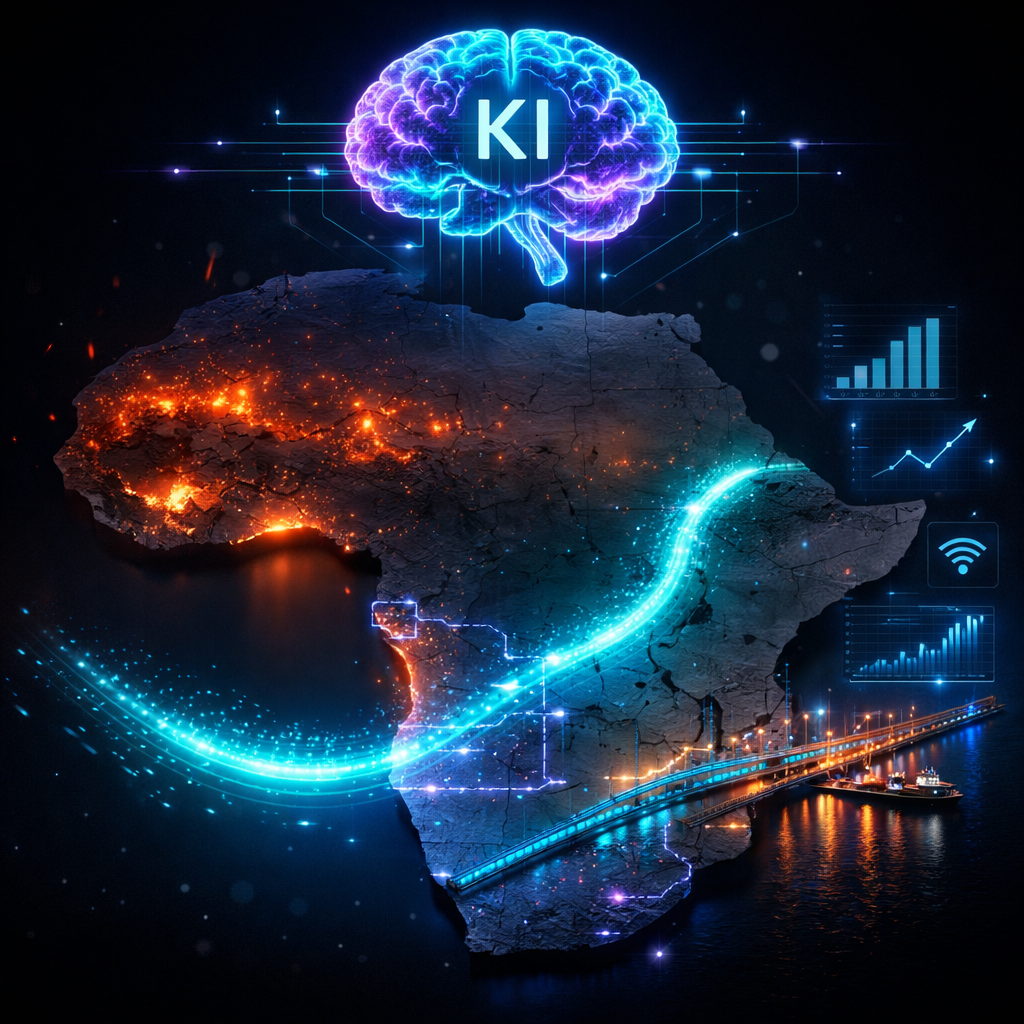
In Konsmik Civilization, such infrastructure would be protected as a shared global asset. Systems would prioritize resilience, redundancy, and cooperation—ensuring that no single point of failure can disrupt humanity’s collective connection.
Konsmik Reality
Before projecting the future, it is important to understand the structure of today’s world.
Modern civilization is built on invisible systems:
- Data networks
- Financial systems
- Communication infrastructure
These systems are deeply interconnected, yet often lack sufficient redundancy in critical chokepoints.
At the same time:
- Geopolitical tensions are rising
- Strategic infrastructure is becoming a target
- And global dependence on digital systems is increasing
This creates a fragile balance where:
the most powerful systems are also the most vulnerable.
Konsmik Reality Outlook
Short-Term (1–2 years):
Increased security focus on undersea cables. Governments and corporations will begin reinforcing and monitoring critical infrastructure more closely.
Medium-Term (3–5 years):
Expansion of alternative data routes, including satellite networks and diversified cable pathways to reduce single-point failures.
Long-Term (5–10 years):
A new era of “infrastructure security” will emerge, where protecting data flow becomes as critical as defending borders.
Reflection Question
If the world runs on invisible systems beneath the ocean, what happens when those systems are no longer secure?
And in an age where data is power, is controlling information flow the new form of global dominance?






Leave a Reply