


Waides Feed
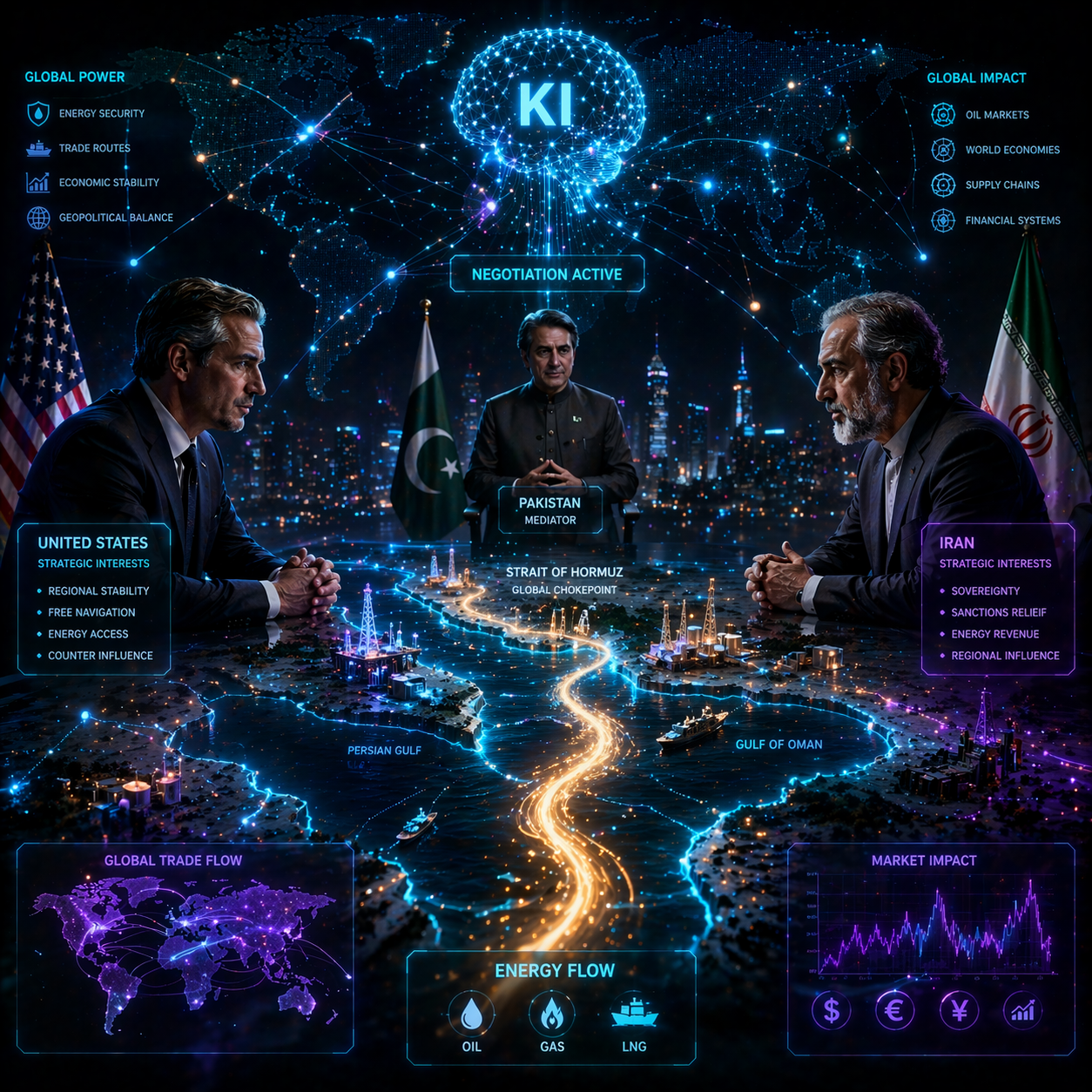
A sudden ceasefire between the United States and Iran has halted what was on the edge of becoming a full-scale regional war. But beneath the surface, this is not peace. It is a pause loaded with tension, uncertainty, and strategic repositioning.
The agreement, brokered with international involvement, introduces a temporary two week halt in direct confrontation. Yet, attacks continue in surrounding regions, particularly in Lebanon, revealing that the conflict has not ended, it has only shifted form.
At the same time, global systems reacted instantly. Oil prices dropped sharply, stock markets surged, and currencies adjusted within hours of the announcement.
This moment exposes something deeper:
Global stability today is not determined by long term peace, but by short term signals of reduced risk.
Why It Matters
This is not just a Middle East story.
It is a global system shock affecting energy, money, and security.
When conflict pauses, markets breathe.
When uncertainty returns, everything shifts again.
What Is Happening Right Now?
- A temporary ceasefire between the US and Iran has been agreed
- The Strait of Hormuz, one of the world’s most critical oil routes, is partially reopening
- Regional conflicts, especially involving Israel and Lebanon, continue outside the agreement
👉 This is not resolution. It is controlled instability.
Why You Can’t Ignore This
This shift is not just about war.
It is about where the next wave of:
- Energy prices
- Inflation
- Global market direction
will be decided.
If you understand these signals early, you understand where money is moving.
If you ignore them, you only feel the impact after it reaches your daily life.
🌍 Real-World Signals
- Oil prices dropped over 15 percent in a single day after the ceasefire announcement
- Global stock markets surged across Asia, Europe, and the US
- The US dollar weakened while gold and Bitcoin rose
- Shipping through key global routes remains uncertain despite partial reopening
👉 Markets are not reacting to peace.
They are reacting to reduced immediate danger.
How It Works
Global systems respond to risk perception, not just reality.
- Conflict increases uncertainty
→ Oil supply fears rise
→ Prices increase - Ceasefire reduces immediate risk
→ Markets stabilize
→ Investors return - But unresolved tensions remain
→ Volatility continues
This creates a cycle where:
👉 Short pauses create big financial movements
Historical Context
This pattern has repeated many times:
- Gulf conflicts affecting oil markets
- Temporary ceasefires triggering financial rebounds
- Long conflicts creating cycles of instability
The difference today is speed.
Markets now react instantly, not over weeks, but within hours.
🧬 KI Insight
According to KI analysis:
Causes:
- Escalating geopolitical tension
- Strategic control of energy routes
- Global dependence on Middle East oil
Systems:
- Energy markets
- Financial markets
- Military alliances
Power:
- Control lies with those influencing supply routes and conflict timing
Opportunities:
- Strategic investment positioning
- Energy diversification
- Market timing advantages
Risks:
- False sense of stability
- Sudden conflict re-escalation
- Long-term economic damage in affected regions
🌍 For Konsmik Civilization
In Konsmik Civilization, instability is not reacted to emotionally.
It is mapped, anticipated, and structured.
Step by step:
- Conflict signals are tracked in real time
- Economic impact is calculated before public reaction
- Systems adjust before disruption spreads
- Decisions are made based on patterns, not headlines
Outcome:
- Stability within instability
- Preparedness instead of reaction
- Control within uncertainty
🛠️ Solution Layer
Micro (You):
- Stay aware of global signals, not just local news
- Understand how events affect prices and opportunities
Meso (Organizations):
- Build flexible strategies that adapt to global volatility
Macro (Countries):
- Diversify energy sources
- Strengthen economic resilience
Global:
- Improve diplomatic systems
- Reduce dependency on single conflict zones
Step-by-Step Action Path
1. Awareness
Understand that global events affect your daily life
2. Positioning
Watch where markets move during crises
3. Action
Learn how energy, currency, and markets connect
4. Leverage
Use understanding to make better financial and strategic decisions
🌌 Konsmik Reality
Past:
Wars shaped borders and physical power
Present:
Conflicts shape markets instantly
Future:
Control will come from managing perception of risk, not just war itself
🔮 Forecast
Short-Term (1–2 years):
- More temporary ceasefires instead of full resolutions
- Increased market volatility tied to geopolitical signals
Medium-Term (3–5 years):
- Energy systems begin shifting away from high-risk regions
- Stronger financial reaction systems
Long-Term (5–10 years):
- Global power defined by stability control, not just military strength
- Economic influence becomes more important than direct conflict
❓ FAQ
Is the war over?
No. The ceasefire is temporary and tensions remain high.
Why did oil prices drop?
Because markets expect reduced immediate supply disruption.
Can the conflict restart?
Yes. The situation remains unstable.
Why does this affect everyone?
Because energy prices influence inflation, transport, and daily costs globally.
🧠 Closing Insight
Peace today is no longer a permanent state.
It is a temporary condition that markets respond to, and power systems exploit.
🌍 Reflection Question
Are you reacting to global events…
or are you learning to see the patterns before they impact your life?
What if the real power is not in controlling events, but in understanding their timing?




Leave a Reply