

Waides Feed
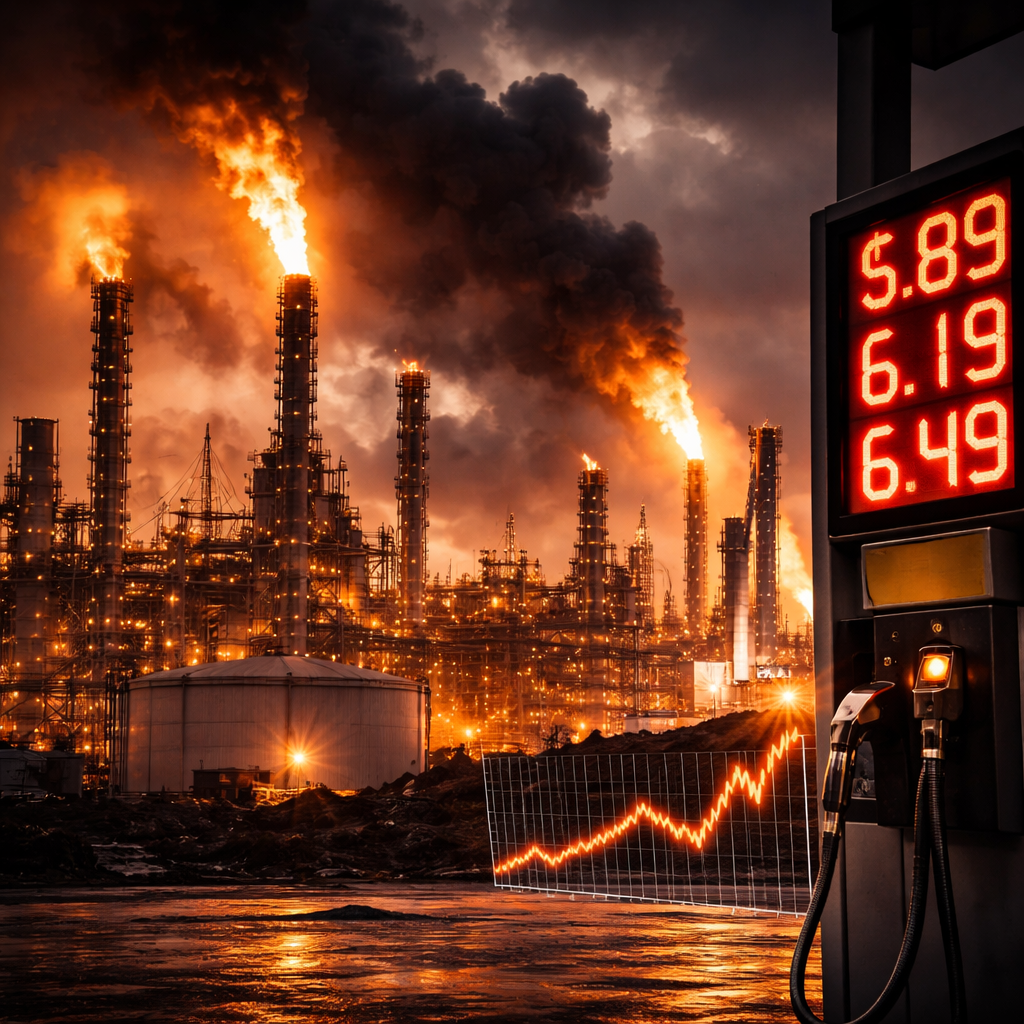
The global energy system is now under visible strain.
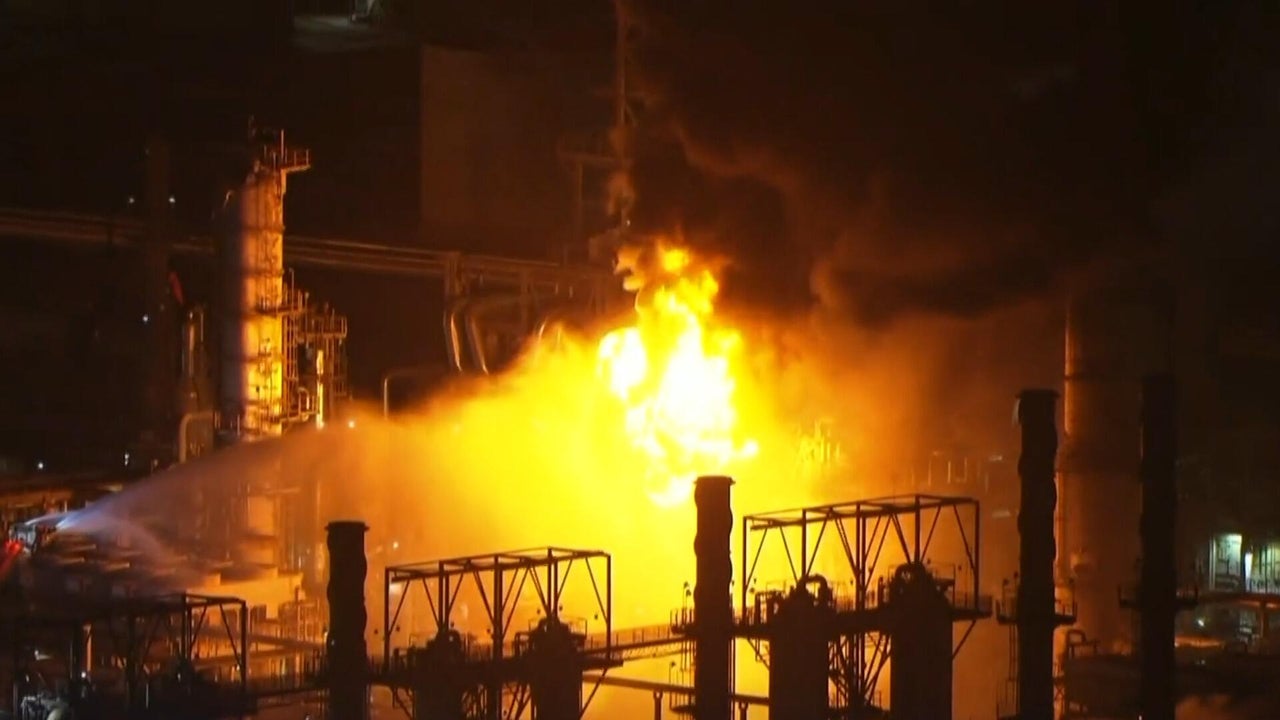
As tensions escalate across the Middle East, oil prices have surged into the $110–$126 per barrel range, signaling a sharp return to volatility. What began as a regional conflict is now translating into a full-scale energy shock, affecting production, transportation, and pricing across multiple continents.
Major producers like Qatar and Kuwait have declared force majeure on key contracts—an extraordinary step that signals they can no longer guarantee supply delivery under current conditions.
This is not just about rising prices.
It is about uncertainty entering the core of the global energy system.
Why It Matters / Public Context
Energy sits at the foundation of modern life.
When oil prices rise sharply:
- Transportation becomes more expensive
- Food production and distribution costs increase
- Electricity generation in some regions becomes unstable
- Businesses begin adjusting prices
For individuals, this often appears as:
Rising fuel costs, higher transport fares, and increased cost of everyday goods.
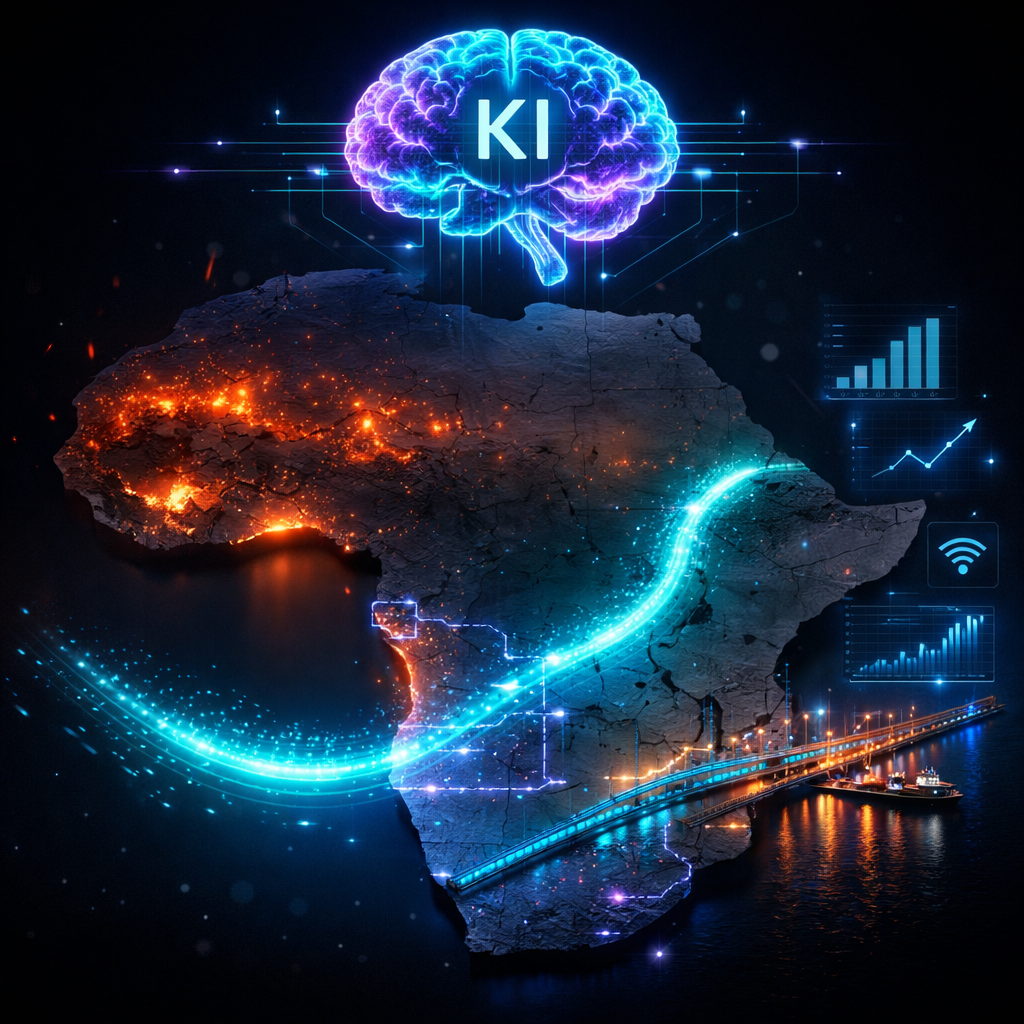
For Africa and Global Systems
For Africa, the effects could be both immediate and uneven:
- Import-dependent nations may face fuel scarcity or price spikes
- Countries with refining challenges could experience distribution pressure
- Oil-producing nations might see short-term revenue gains, but long-term instability risks remain
Globally, the situation highlights a deeper truth:
The world is still deeply dependent on fossil energy—and that dependence is fragile.
🧬 KI (Konsmik Intelligence) Insight
Opportunities:
- Acceleration of renewable energy transitions
- Strategic investments in local refining and storage
- Increased relevance of energy diversification policies
Risks:
- Global inflation resurgence
- Economic slowdown in vulnerable economies
- Energy-driven geopolitical tensions expanding further
From the Lens of Konsmik Reality
Energy is not just fuel—it is movement, life, and continuity.
When energy becomes unstable, everything else begins to shift:
- Markets react
- Governments respond
- Societies adjust
This moment reflects a recurring pattern in human history:
When energy becomes uncertain, systems begin to reorganize themselves.
Forecast
Short Term (1–2 weeks):
- Continued oil price volatility
- Increased fuel surcharges across industries
- Market sensitivity to geopolitical updates
Medium Term (1–3 months):
- Inflation pressures become more visible
- Governments may release strategic reserves
- Businesses begin long-term cost adjustments
Long Term (3–12 months):
- Structural push toward energy alternatives
- Redefinition of global energy alliances
- Increased investment in energy security infrastructure
Waides Insight
Energy is the silent foundation of modern civilization—until it becomes unstable.
What we are witnessing is not just a price increase, but a signal of systemic vulnerability. The world is being reminded that its energy backbone is both powerful and fragile.
Reflection
Are we witnessing a temporary disruption in energy markets or the early signs of a deeper global energy transition?








Leave a Reply