

Waides Feed
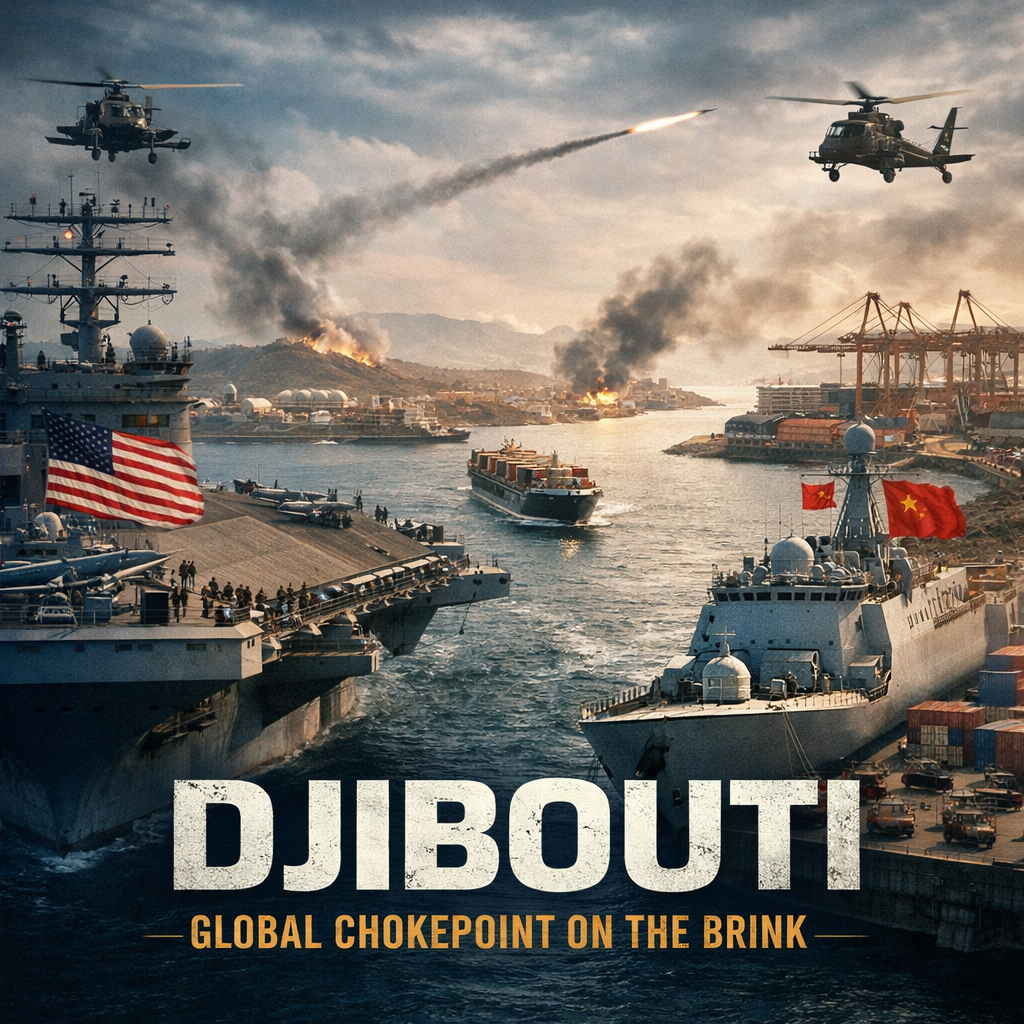
On April 10, 2026, the global system is quietly being tested at one of its most critical pressure points—Djibouti.
While headlines suggest continuity under President Ismail Omar Guelleh, the deeper signal tells a different story. This is no longer about elections. It is about control of a global artery.

Djibouti sits at the mouth of the Bab-el-Mandeb Strait—a narrow passage through which a significant portion of global trade flows. But today, that passage is no longer just a trade route. It is becoming a live geopolitical fault line.
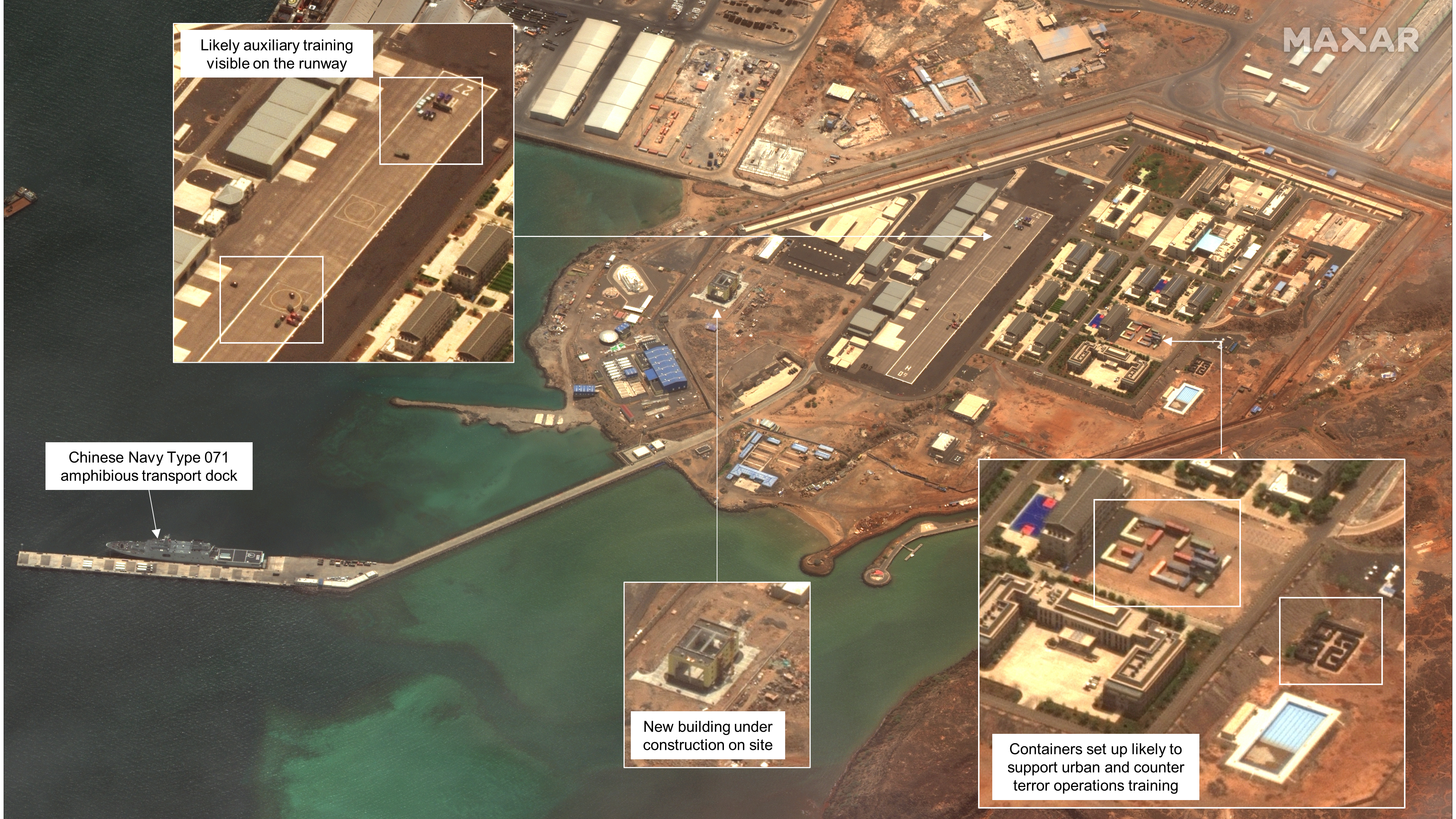
The removal of constitutional limits has quietly transformed governance into succession uncertainty. At the same time, foreign military presence—particularly from the United States Armed Forces and the People’s Liberation Army Navy—has turned Djibouti into the most compressed power collision zone on Earth.
This is not instability yet.
This is pre-instability architecture.

Why It Matters / Public Context
What makes this moment dangerous is not chaos—but precision tension.
Djibouti is one of the few places globally where two superpowers operate permanent bases within immediate proximity. The expansion of China’s Doraleh naval facility signals readiness not just for presence—but for projection.
At the same time, regional instability tied to the Houthi movement and broader Iranian signaling is reshaping the Red Sea into an asymmetric warfare corridor.
For the global economy, this translates into something very real:
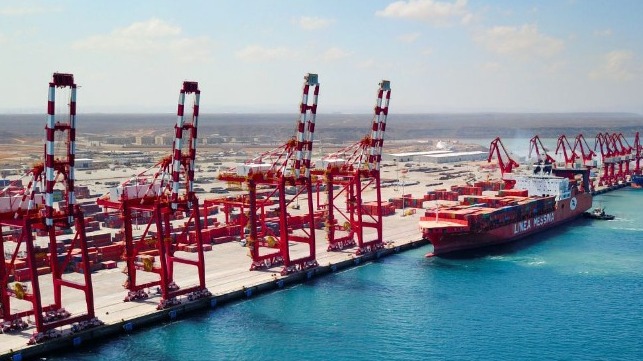
- Shipping routes are no longer predictable
- Insurance premiums are rising
- Supply chains are quietly reconfiguring
The recent surge in rerouting via the Cape of Good Hope is not temporary behavior—it is adaptive fear entering logistics systems.
For Africa and Global Systems
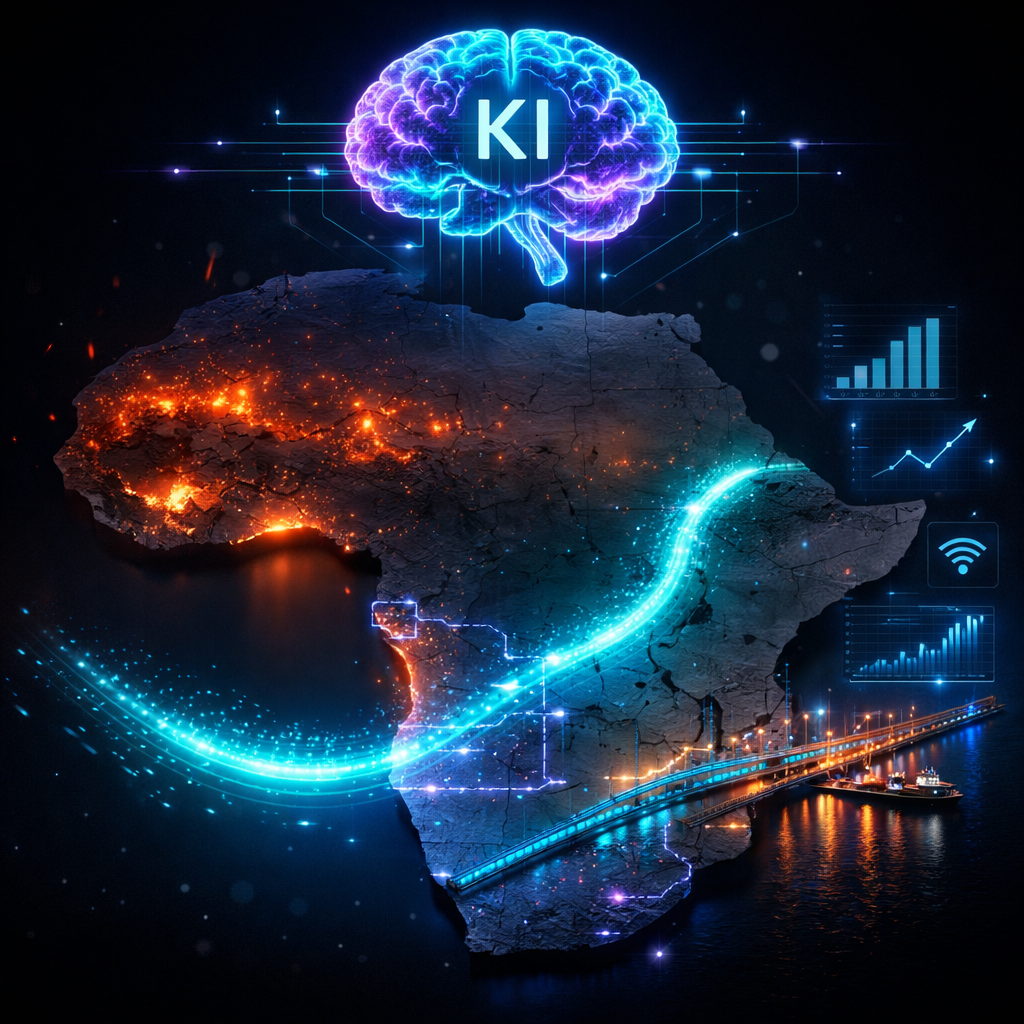
For Africa, Djibouti represents more than a port—it is a gateway economy.
Its dependence on Ethiopian trade—linked to Ethiopia—creates a fragile economic loop. As Ethiopia explores alternatives through Somaliland and Kenya, Djibouti’s economic foundation begins to weaken.
This introduces a silent but critical shift:
- Africa’s trade routes are decentralizing
- Strategic ports are becoming competitive assets
- Political stability is now directly tied to logistics relevance
Globally, this moment reflects a broader pattern:
Infrastructure is no longer neutral—it is geopolitical leverage.
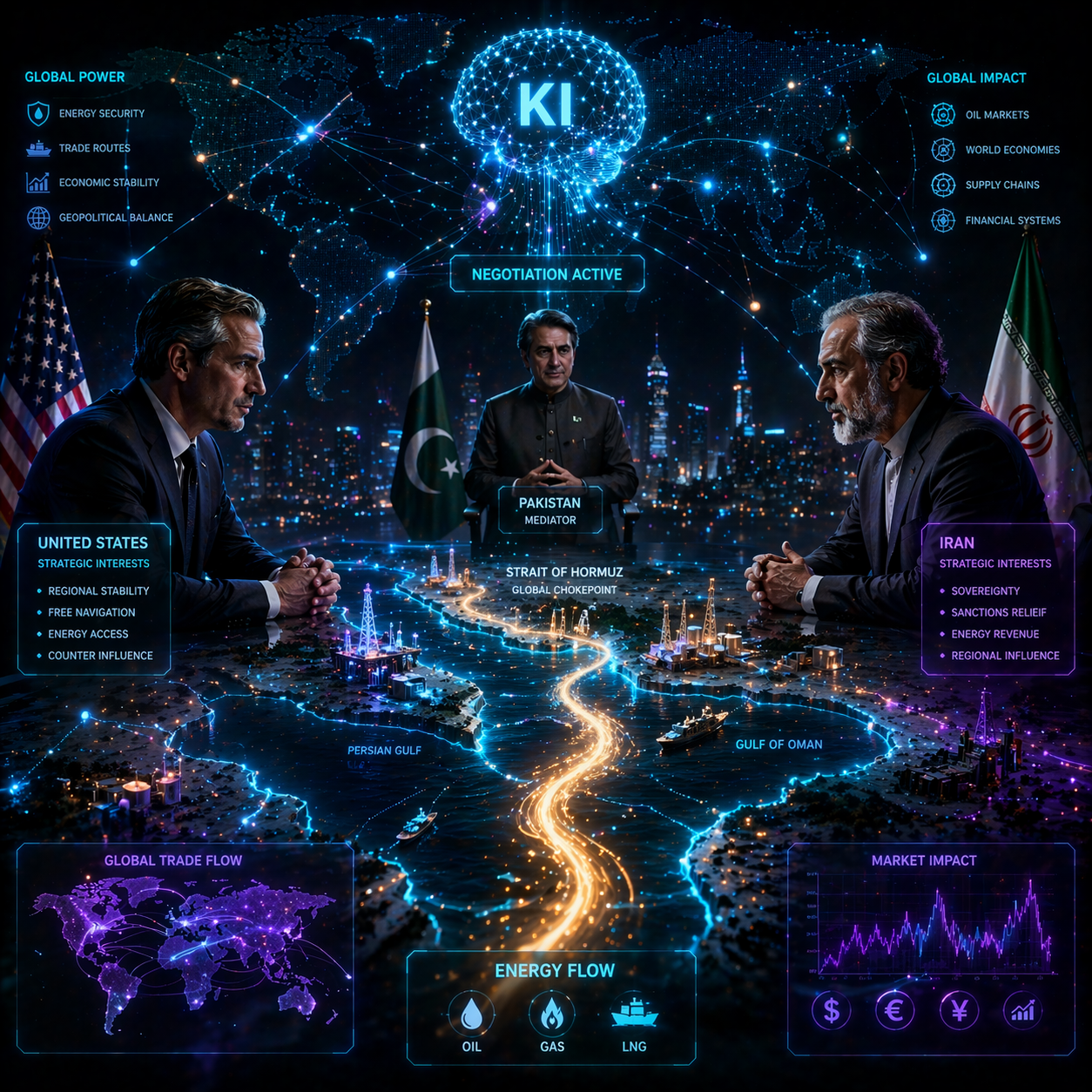
🧬 KI (Konsmik Intelligence) Insight
From a Konsmik Intelligence lens, Djibouti is entering a three-layer risk convergence:
1. Political Compression
A leadership structure without renewal mechanisms creates internal fragility masked as stability.
2. Military Proximity Risk
The co-location of rival superpowers reduces reaction time in crisis scenarios—transforming local incidents into global triggers.
3. Economic Dependency Loop
Over-reliance on a single revenue stream (Ethiopian port access) introduces systemic vulnerability under regional shifts.
Opportunity Signal:
Ports across Africa—especially in West and East corridors—are entering a new phase of strategic relevance and investment potential.
Risk Signal:
Any disruption in Bab-el-Mandeb could trigger a multi-region inflation ripple, affecting fuel, food, and manufacturing globally.
From the Lens of Konsmik Reality
What we are witnessing is not just a political event—it is a structural reveal.
In the past, chokepoints were controlled.
In the present, chokepoints are contested.
In the future, chokepoints will be digitally and militarily monitored ecosystems of power balance.
Djibouti is becoming a mirror:
A place where geography meets ambition
Where trade meets tension
Where stability becomes performance
Forecast
Short-Term (1–2 Years)
- Increased military signaling without direct confrontation
- Persistent rerouting of global shipping
- Rising insurance and logistics costs
Medium-Term (3–5 Years)
- Emergence of alternative African port hubs
- Intensified China–US strategic positioning in the Red Sea
- Djibouti faces economic pressure from reduced dependency flows
Long-Term (5–10 Years)
- Red Sea evolves into a permanent strategic security corridor
- Global trade diversifies away from single chokepoint dependency
- New geopolitical alliances form around infrastructure control
Waides Insight
Power is no longer defined by territory alone.
It is defined by who controls movement.
Djibouti is not just a country in this moment.
It is a switch in the global system.
And right now, that switch is unstable.
Reflection
- Are we witnessing a temporary geopolitical tension or the redesign of global trade routes?
- If chokepoints become unstable, what replaces them and who controls what comes next?









Leave a Reply