

Waides Feed
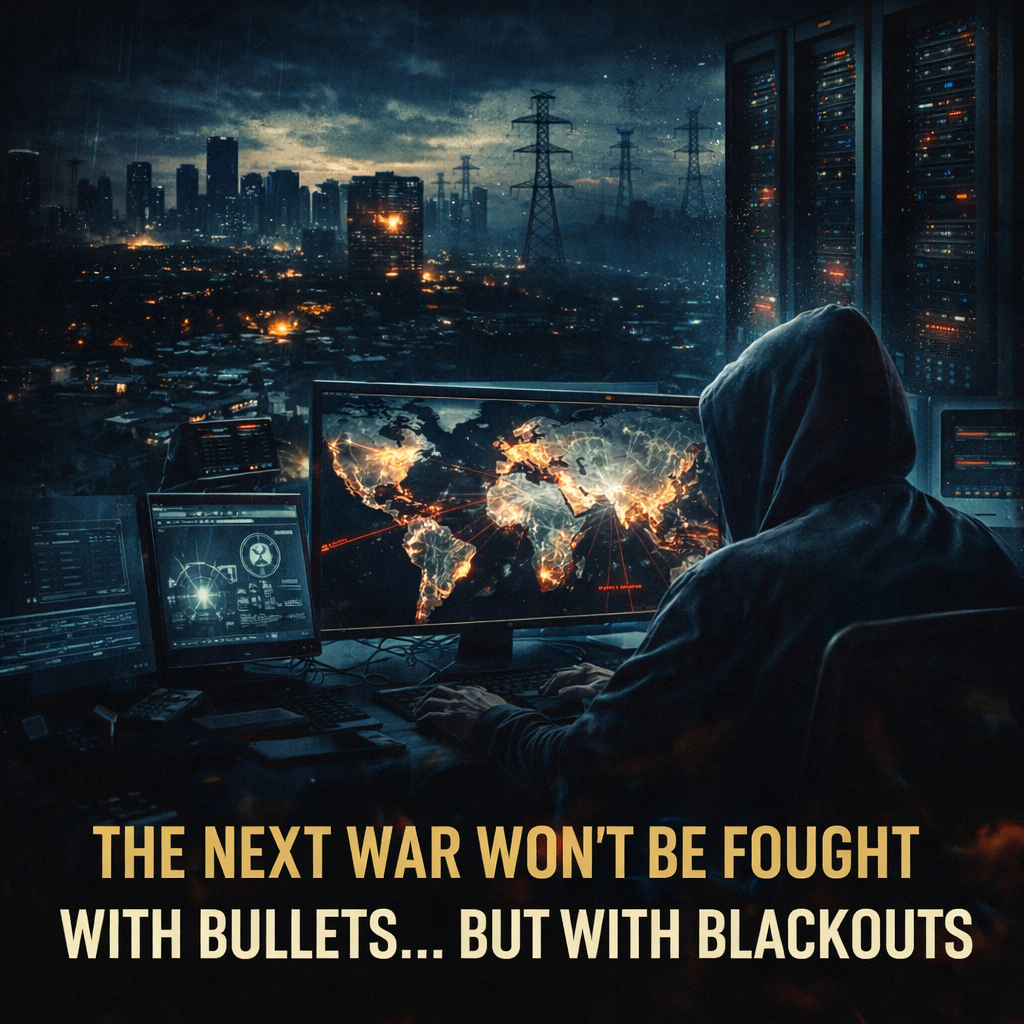
A new form of warfare is rising—silent, invisible, and capable of shutting down entire nations without a single shot fired.
Cyber warfare has moved beyond espionage. It is now entering the phase of infrastructure disruption.
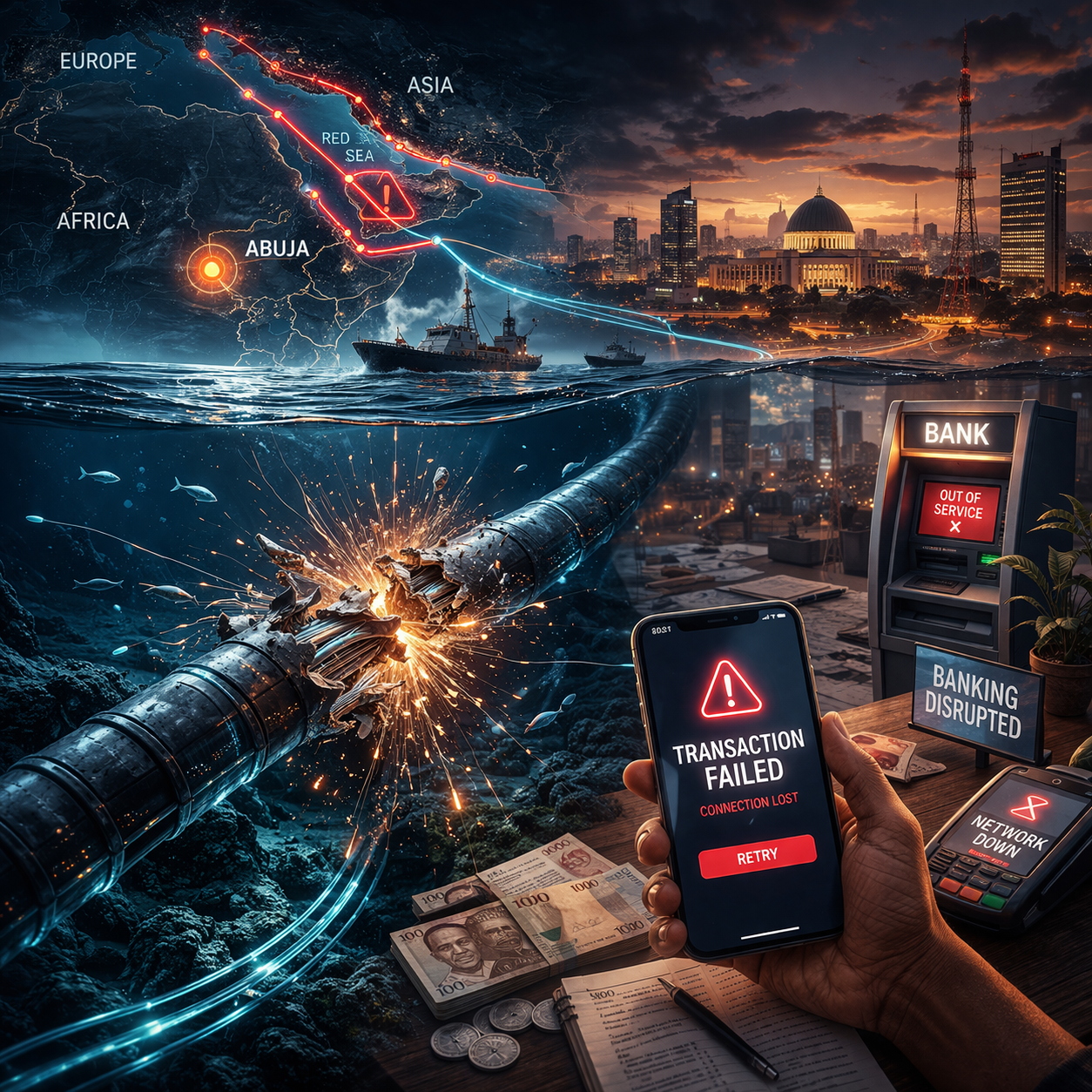
Power grids, financial systems, communication networks, and even hospitals are becoming targets. What once required missiles can now be executed through code.
Recent global signals suggest that state-backed cyber capabilities are no longer defensive tools. They are strategic weapons designed to destabilize entire systems in minutes.
This is not the future.
This is already happening.

Why It Matters / Public Context
Modern society is built on invisible systems.
Electricity
Internet
Banking networks
Satellite communication
Remove any of these, and normal life collapses almost instantly.
The danger of cyber warfare is not just damage.
It is speed and unpredictability.
There is no warning siren for a cyber attack.
No visible battlefield.
No clear line between peace and conflict.

For Africa and Global Systems
For many African nations, digital infrastructure is expanding rapidly—but often without equivalent security investment.
This creates a dangerous imbalance:
- Growing reliance on digital systems
- Limited resilience against coordinated cyber attacks
At the same time, global powers are building offensive cyber units capable of targeting infrastructure across borders.
This introduces a new reality:
No country is too small to be affected.
No system is too local to be targeted.
Globally, cyber warfare is becoming the fifth domain of conflict, alongside land, sea, air, and space.
KI (Konsmik Intelligence) Insight
From a Konsmik Intelligence perspective, cyber warfare represents a shift from physical dominance to system dominance.
1. Invisible Power Projection
Nations can disrupt rivals without direct confrontation.
2. Civilian Exposure
Unlike traditional war, civilians are directly impacted through infrastructure collapse.
3. Attribution Complexity
Identifying attackers remains difficult, creating space for deniability and escalation.
Opportunity Signal:
Cybersecurity is becoming one of the most critical industries of the next decade.
Risk Signal:
A coordinated cyber attack on financial or energy systems could trigger global panic faster than traditional conflict.

From the Lens of Konsmik Reality
War is evolving.
In the past, it was about territory.
Then it became about resources.
Now, it is about control of systems that sustain life.
The most powerful weapon is no longer destruction.
It is disruption.
A city does not need to be bombed to fall.
It only needs to go dark.
Forecast
Short-Term (1–2 Years)
- Increase in cyber attacks on critical infrastructure
- Governments strengthen digital defense policies
- Rise in private sector cybersecurity demand
Medium-Term (3–5 Years)
- Cyber warfare becomes a standard military strategy
- Expansion of AI-driven cyber attack and defense systems
- International tensions escalate over cyber incidents
Long-Term (5–10 Years)
- Fully integrated digital warfare ecosystems
- Nations develop offensive cyber doctrines
- Global treaties attempt to regulate cyber conflict
Waides Insight
The next war may not begin with an explosion.
It may begin with a system failure.
And by the time people realize what is happening,
everything they depend on could already be offline.
Reflection
- If a nation can be shut down digitally, what does sovereignty truly mean?
- Are we prepared for a world where war is invisible but impact is immediate?









Leave a Reply