

Waides Feed
A silent transformation is happening around identity.
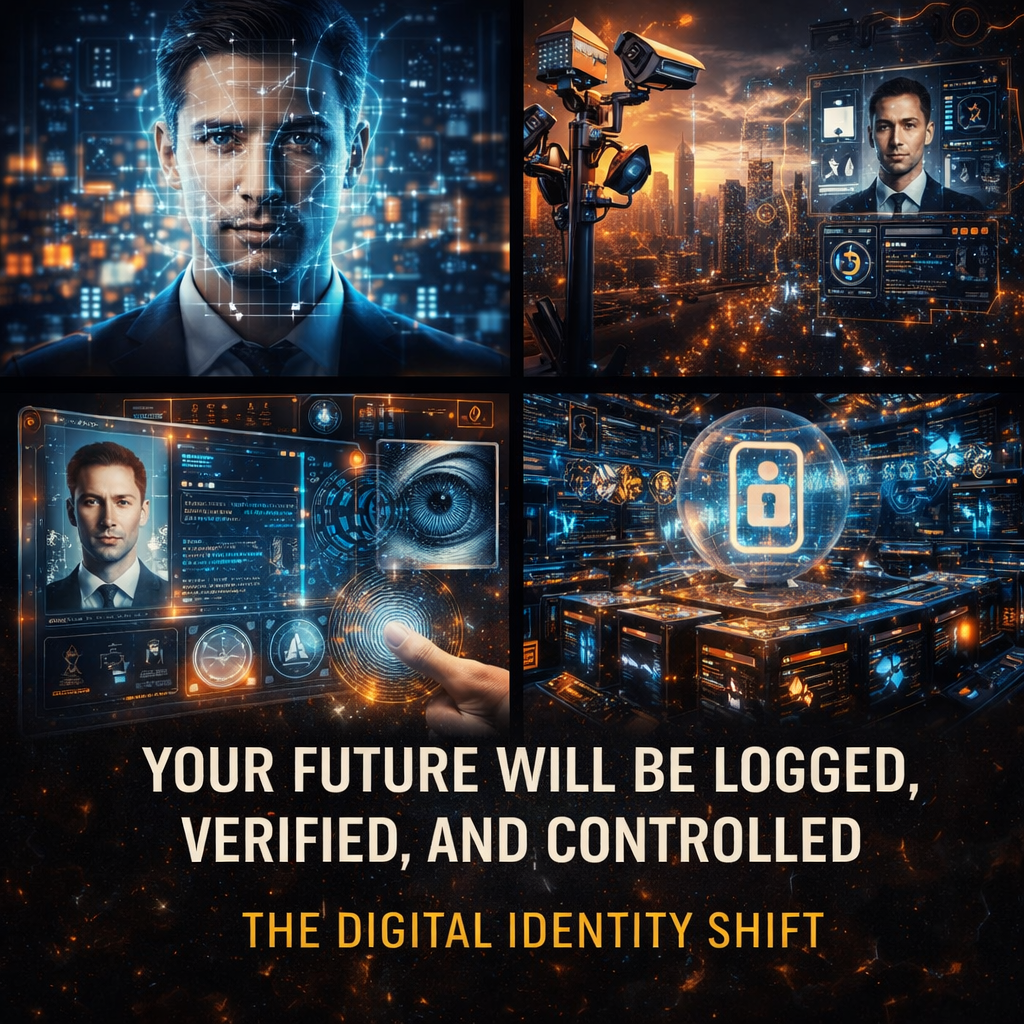
Across the world, governments and institutions are moving toward systems where identity is no longer just physical or paper-based. It is becoming digital, trackable, and instantly verifiable.
From biometric passports to national digital ID programs, the shift is accelerating. What used to require documents, signatures, and physical presence is now being replaced by data-linked identity systems.

This is not just modernization.
It is the creation of a new layer of human existence—digital identity as infrastructure.
Patterns & Connections
This shift follows a deeper pattern seen across systems:
When complexity increases, control systems evolve.
- Financial systems became digital
- Communication became digital
- Now identity itself is becoming digital
The connection is clear:
Once identity is fully digitized, it can be integrated into every system—banking, healthcare, travel, voting, and even social platforms.
This creates efficiency.
But it also creates centralized visibility over individuals at scale.

Why It Matters for Humanity
Identity defines access.
Who you are determines what you can do, where you can go, and what systems you can participate in.
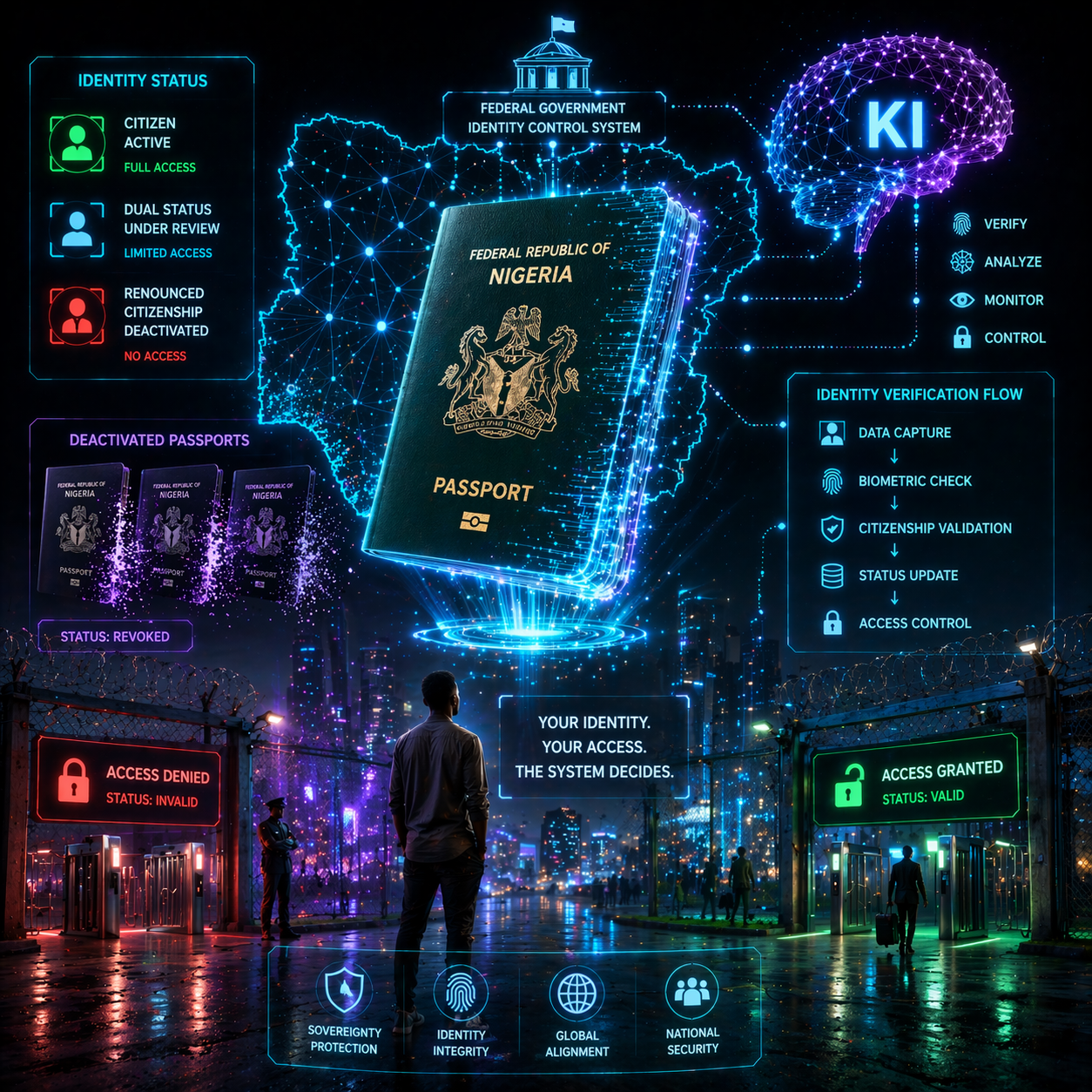
When identity becomes digital, access becomes programmable.
This introduces a powerful question:
What happens when your identity can be verified instantly…
but also restricted instantly?
This is where convenience meets control.

KI Analysis
From Konsmik Intelligence analysis:
Opportunities
Digital identity can improve security, reduce fraud, simplify access to services, and enable faster participation in global systems. It can empower millions without formal identification to enter financial and social systems.
Risks
Centralized identity systems create the risk of surveillance, misuse of personal data, exclusion through system control, and loss of anonymity. If not governed ethically, identity can shift from empowerment to restriction.
The system that defines identity…
can define freedom.
Konsmik Reality
From the lens of Konsmik Reality, identity is entering a tracked existence phase.
Short-Term (1–2 Years)
Expansion of digital ID programs, biometric verification systems, and integration into banking and travel.
Medium-Term (3–5 Years)
Identity becomes a unified access key across multiple systems. Governments and corporations deepen integration.
Long-Term (5–10 Years)
A fully digital identity layer exists globally, linking individuals to economic, social, and governance systems in real time.
This is not just identity evolution.
It is the digitization of human presence itself.
Historical & Global Context
Human identity has evolved through stages:
From tribal recognition
To written records
To national identification systems
Now, it is entering a digital phase.
Every transition increased organization.
Every transition also increased control.
This moment is no different.
Waides Insight
The future will not only ask who you are.
It will verify it instantly.
Store it permanently.
And potentially control it systematically.
Because in a fully digital world,
identity is no longer just personal
It becomes a key to the system itself.
Reflection
- If your identity becomes fully digital, who truly controls it?
- Does convenience justify the loss of anonymity and independence?










Leave a Reply