

Waides Feed
Most people will never hear about Djibouti.
But they may soon feel its impact.
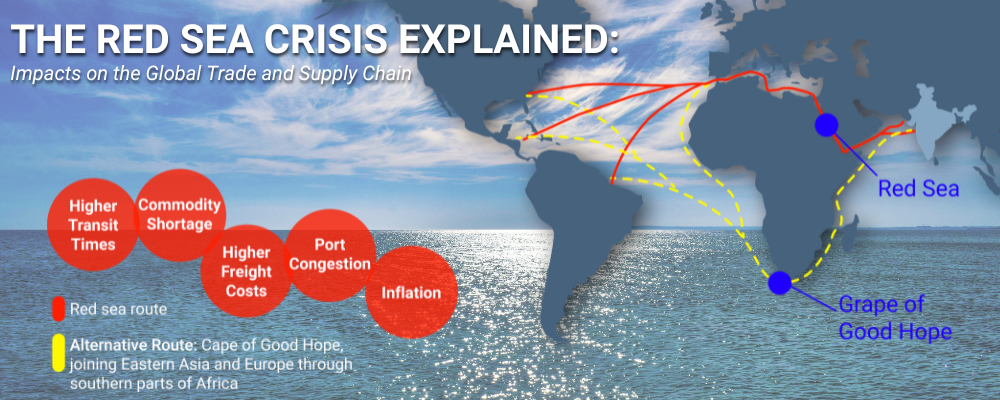
If disruption occurs around the Bab-el-Mandeb Strait, the effect will not stay in East Africa. It will move through the global system almost immediately.
This is how the chain reaction works:
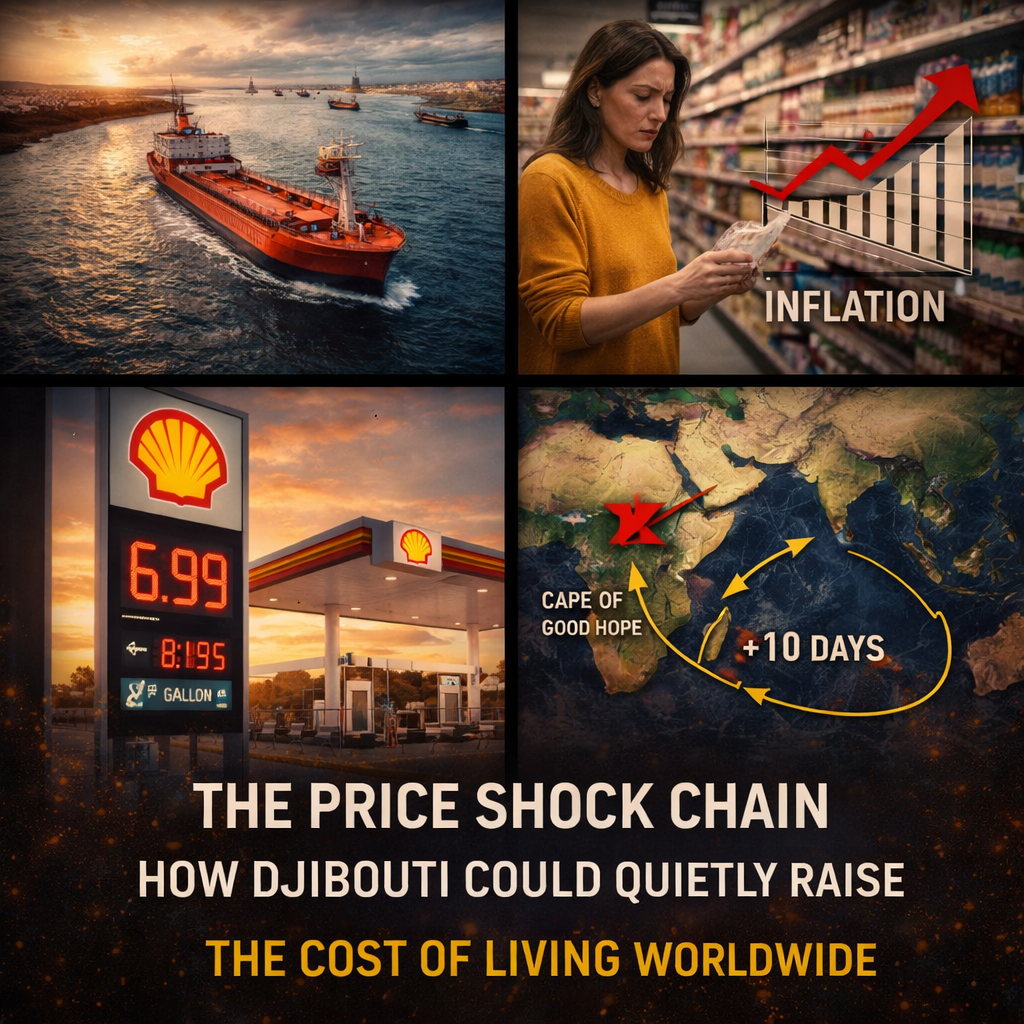
A delay in shipping
Becomes a reroute
Becomes higher fuel costs
Becomes higher transport costs
Becomes higher prices
What begins as a localized geopolitical issue
ends as a global cost of living increase
Patterns & Connections
Modern global systems are deeply interconnected.
- Energy flows through narrow maritime routes
- Goods move through optimized logistics networks
- Markets respond instantly to disruption signals
This creates a domino structure:
When one node is affected
multiple systems respond simultaneously
Djibouti is one of those nodes.
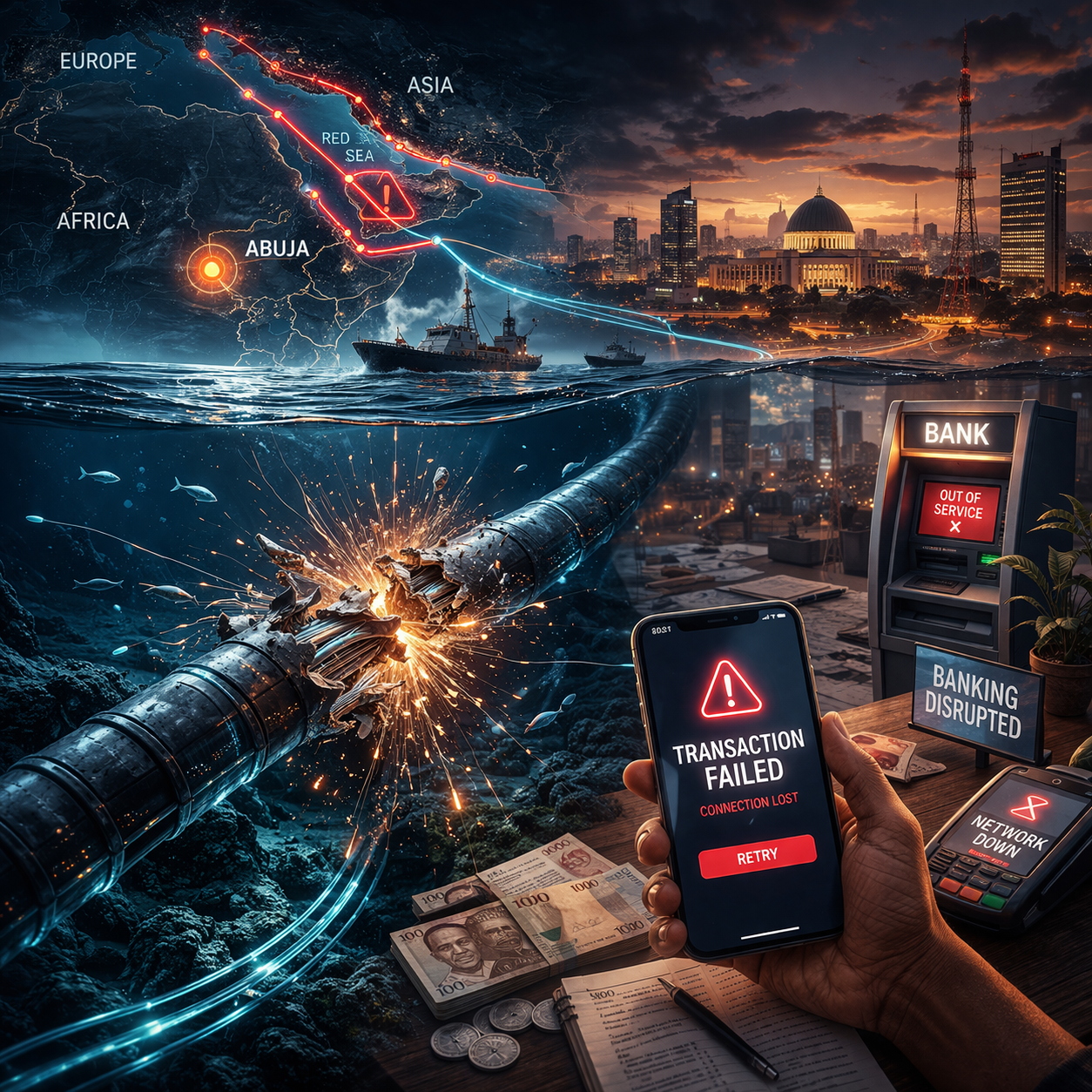
A disruption at this point forces ships to reroute around Africa, increasing travel time, fuel usage, and operational cost.
That cost does not disappear.
It is transferred.
Why It Matters for Humanity
This is where geopolitics becomes personal.
A disruption in a distant strait can lead to:
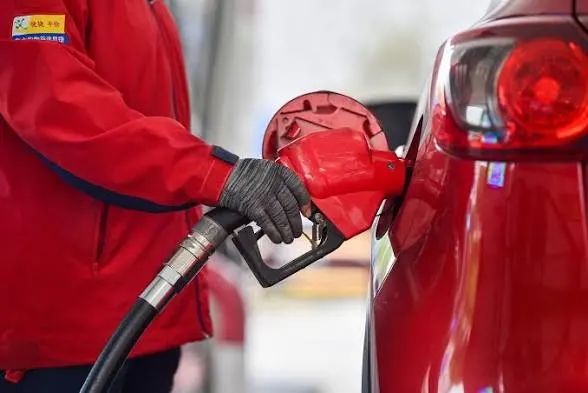
- Higher fuel prices at local stations
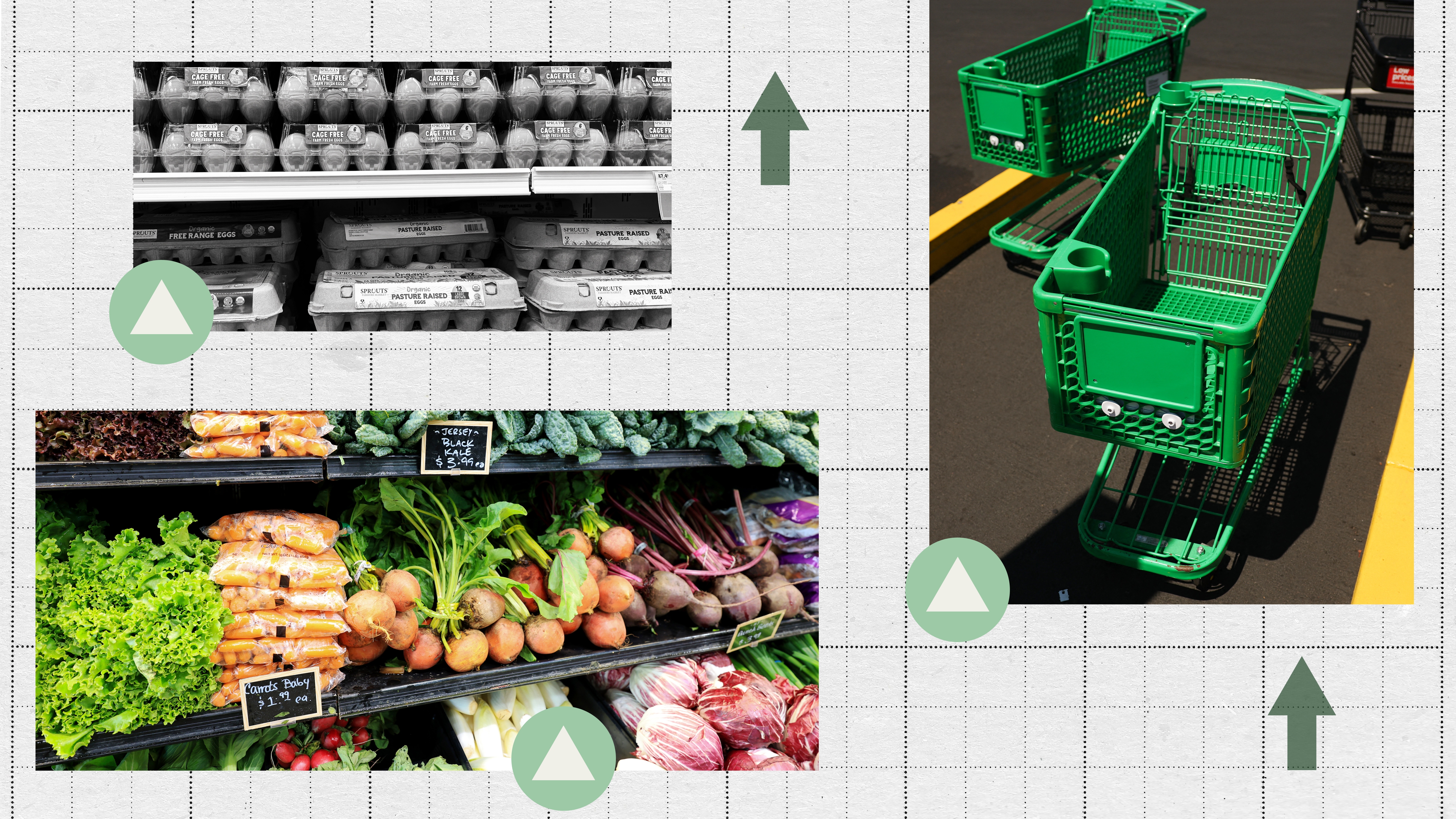
- Increased cost of food and imported goods
- Inflation pressure across economies
This is the hidden reality of globalization:
Everything is connected
Even when it does not feel like it
A single chokepoint can influence millions of lives.
KI Analysis
From Konsmik Intelligence analysis:
Opportunities
Global disruptions push innovation in logistics, alternative trade routes, and local production systems. Regions may invest more in self-sufficiency and supply chain resilience.
Risks
Short-term economic shocks can increase inflation, reduce purchasing power, and strain household stability. Prolonged disruption could trigger wider economic slowdowns.
The system absorbs shock
But people feel the impact

Konsmik Reality
From the lens of Konsmik Reality, this is a cost transmission phase.
Short-Term (1–2 Years)
Immediate price fluctuations in fuel and goods due to shipping disruptions and insurance risk increases.
Medium-Term (3–5 Years)
Businesses adjust supply chains, passing structural costs into pricing models.
Long-Term (5–10 Years)
Global systems become more resilient but more expensive, redefining affordability and consumption patterns.
This is how global systems evolve:
Pressure → Adjustment → New Normal
Historical & Global Context
Similar patterns have occurred before:
- Canal blockages
- Regional conflicts
- Trade route disruptions
Each time, the impact extended far beyond the origin point.
But today’s system is faster.
Which means impact spreads faster too.
Waides Insight
The most powerful forces in the world are not always visible.
They move through systems.
And when those systems are disrupted,
the effect is not isolated
It becomes shared reality
Reflection
- If global systems are this interconnected, how much control do we really have over rising costs?
- Are we prepared for a future where distant events shape everyday life instantly?







Leave a Reply