

Waides Feed
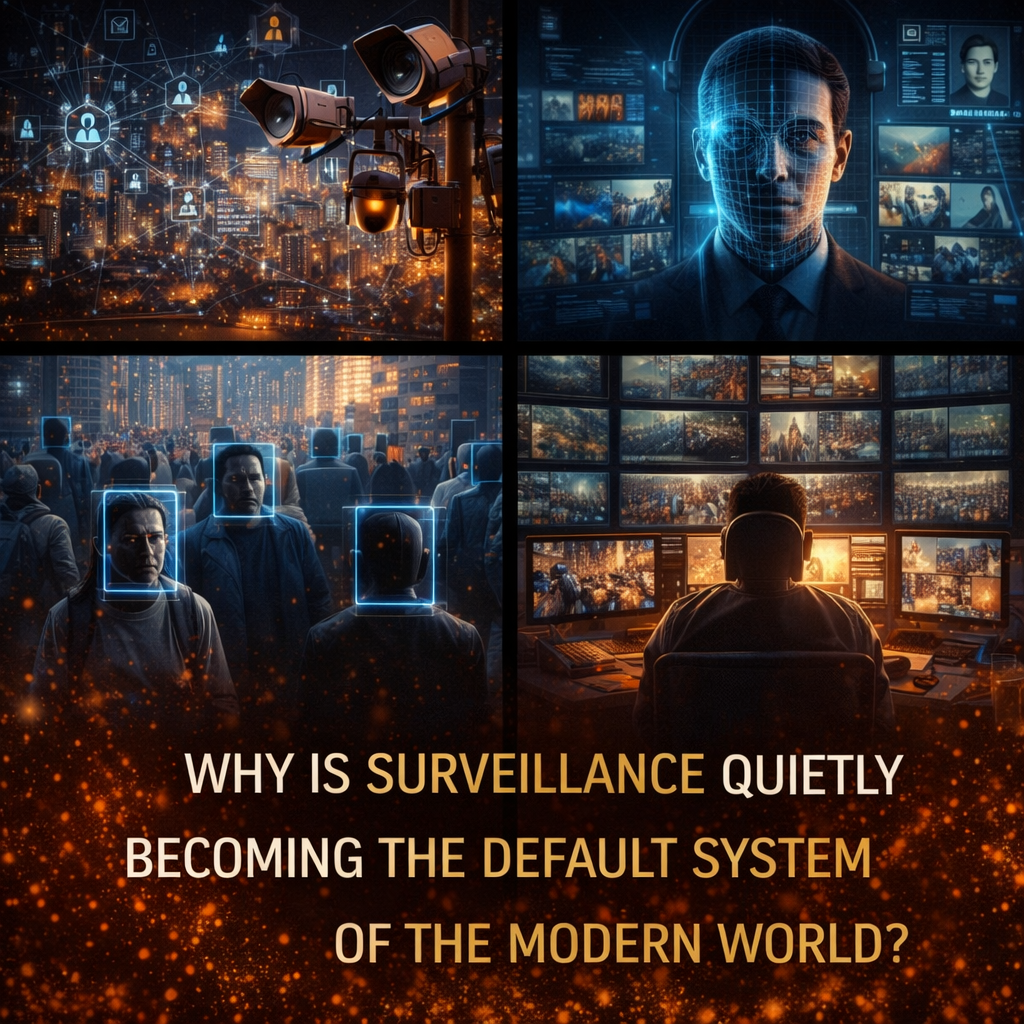
Surveillance is no longer something hidden.
It is becoming something normal.
Across cities, platforms, and digital systems, monitoring is being embedded into everyday life. Cameras are smarter, systems are connected, and data is constantly being collected—often without direct awareness.
This is not just about security.
It is about continuous visibility over human activity.

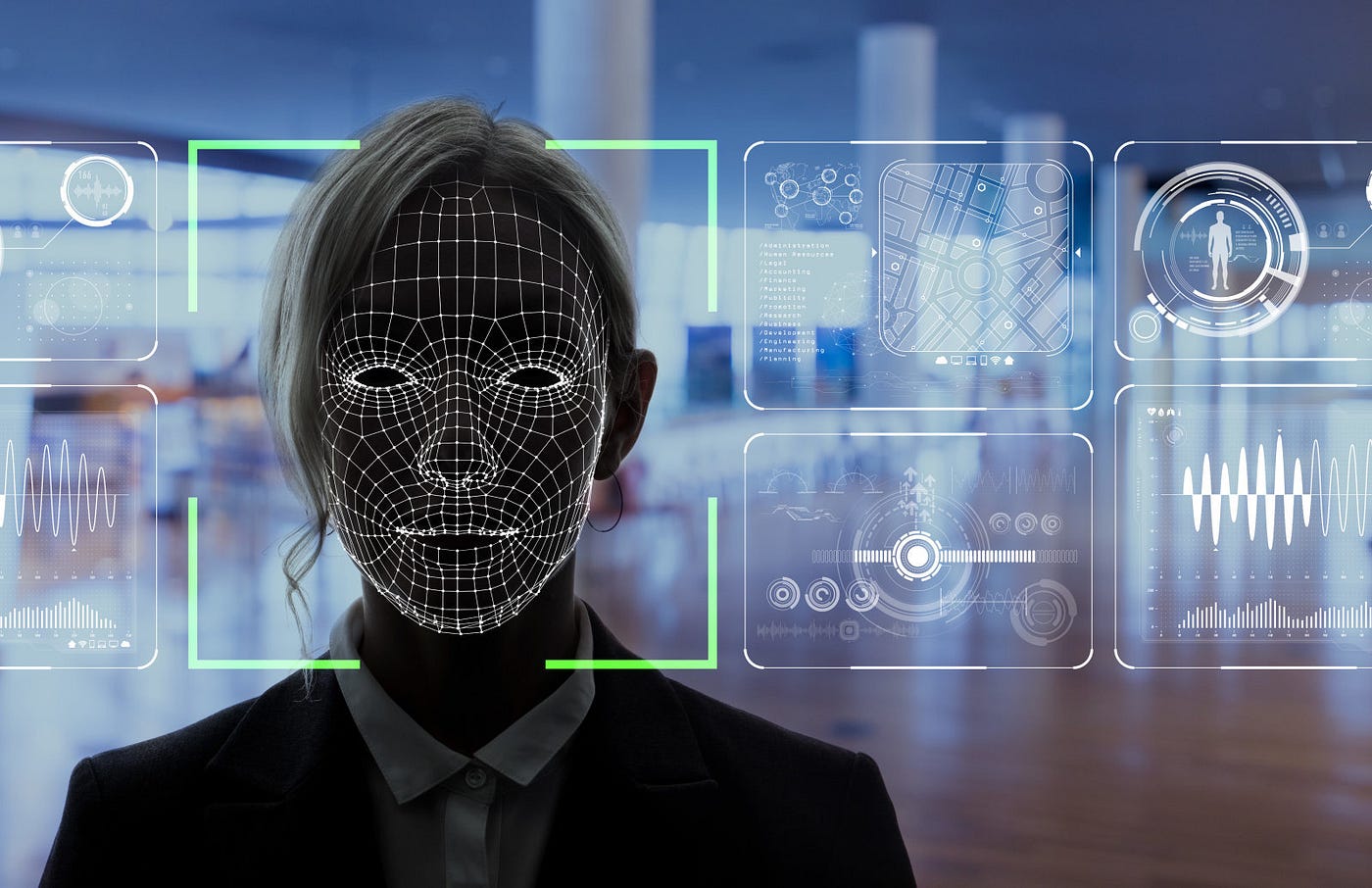
From facial recognition in public spaces to data tracking on digital platforms, surveillance is expanding beyond isolated systems into a fully integrated network of observation.
And the most powerful shift is this:
It is not being forced loudly.
It is being accepted gradually.
WHY IT MATTERS / PUBLIC CONTEXT
The Silver Platter:
Surveillance is becoming the default layer of modern systems, shaping behavior, access, and control without people fully realizing it.
The more connected the world becomes, the easier it is to monitor—and influence—how people live.
Think about daily life:
- Phones track location
- Platforms track behavior
- Cameras track movement
Individually, each system seems harmless.
But combined, they create something much larger:
A real-time map of human activity
For Africa, this is a critical turning point.
As smart cities, digital IDs, and fintech systems expand, there is an opportunity to build efficient, modern infrastructure. But there is also a risk:
If surveillance systems grow without clear boundaries, control can expand without accountability.
Globally, the shift is clear:
Visibility is becoming power.
HISTORICALLY…
Surveillance has always existed.
Empires monitored territories.
Governments tracked populations.
Institutions gathered intelligence.
But it was limited by scale.
It required manpower, time, and physical presence.
Today, technology removes those limits.
Surveillance is no longer manual.
It is automated.
This is similar to how the internet scaled communication.
Now, surveillance is scaling in the same way.
From selective monitoring
To continuous observation
KI ANALYSIS (The Intelligence Core)
According to KI analysis, the world is entering a pervasive surveillance phase, driven by three key forces:
1. Data Expansion
Every digital interaction generates data, creating a massive pool of behavioral information.
2. AI Integration
Artificial intelligence enables systems to analyze patterns, predict behavior, and automate monitoring.
3. Infrastructure Embedding
Surveillance is being built directly into urban systems, financial platforms, and communication networks.
Strategic Gains vs Systemic Risks
Opportunities
- Improved security and crime prevention
- Efficient urban management through smart systems
- Faster identification and verification processes
- Data-driven decision making for governments
Risks
- Loss of privacy and personal autonomy
- Behavioral control through monitoring systems
- Data misuse or unauthorized access
- Concentration of surveillance power in few entities
The key shift:
Surveillance is no longer optional
It is becoming structural
KONSMIK REALITY (The Visionary Narrative)
From the lens of Konsmik Reality, humanity is entering an era where observation becomes constant.
In the short term, it feels like convenience.
Safer cities
Smarter systems
Faster services
In the medium term, patterns begin to form.

People adjust behavior
Systems learn habits
Control becomes subtle
In the long term, beyond 2030, a new reality emerges.
The line between public and private begins to fade.
Life is no longer just lived
It is continuously observed
Not through force
But through integration
This is the deeper shift:
From being seen occasionally
To being visible always
REFLECTION QUESTION
- If surveillance becomes normal, what happens to privacy and personal freedom?
- Are we choosing convenience or gradually accepting control?













Leave a Reply