

Waides Feed
Electricity may be the new power source.
But it has a hidden foundation.
Lithium.
Cobalt.
Nickel.
Rare earth elements.
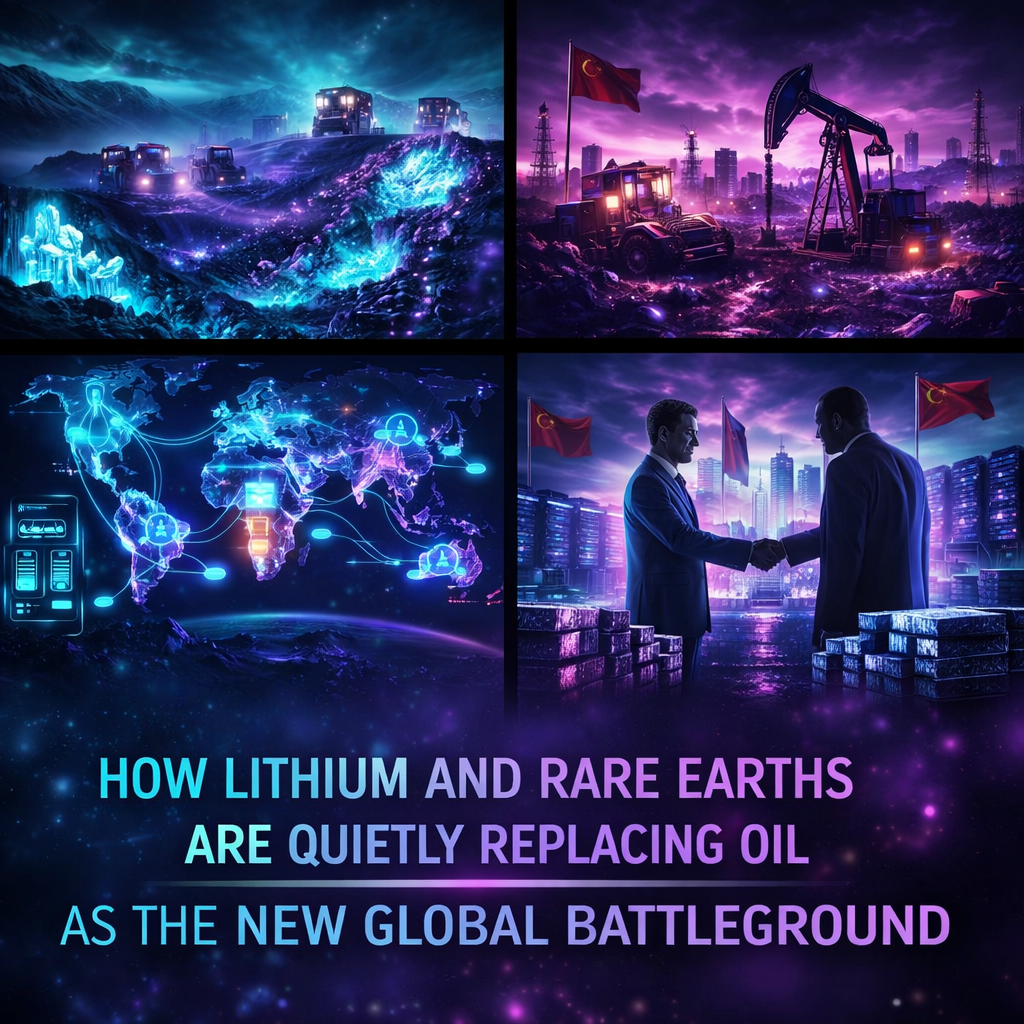
These are the materials that power batteries, data centers, electric vehicles, and the entire infrastructure of the digital age.
And unlike oil, which flows, these resources are mined, controlled, and strategically secured.
This is where the real shift is happening.
The world is not just transitioning energy.
It is entering a new phase of resource competition

WHY IT MATTERS / PUBLIC CONTEXT
The Silver Platter:
The future of energy depends on a small group of critical minerals, and control over these resources is becoming the new source of global power.
Nations that dominate lithium and rare earth supply chains will shape the next economic and technological era.
Think about what powers modern systems:
- Electric vehicle batteries
- Smartphones and digital devices
- Renewable energy storage
- Military and advanced technologies
All depend on these materials.
Now consider this:
These resources are not evenly distributed.
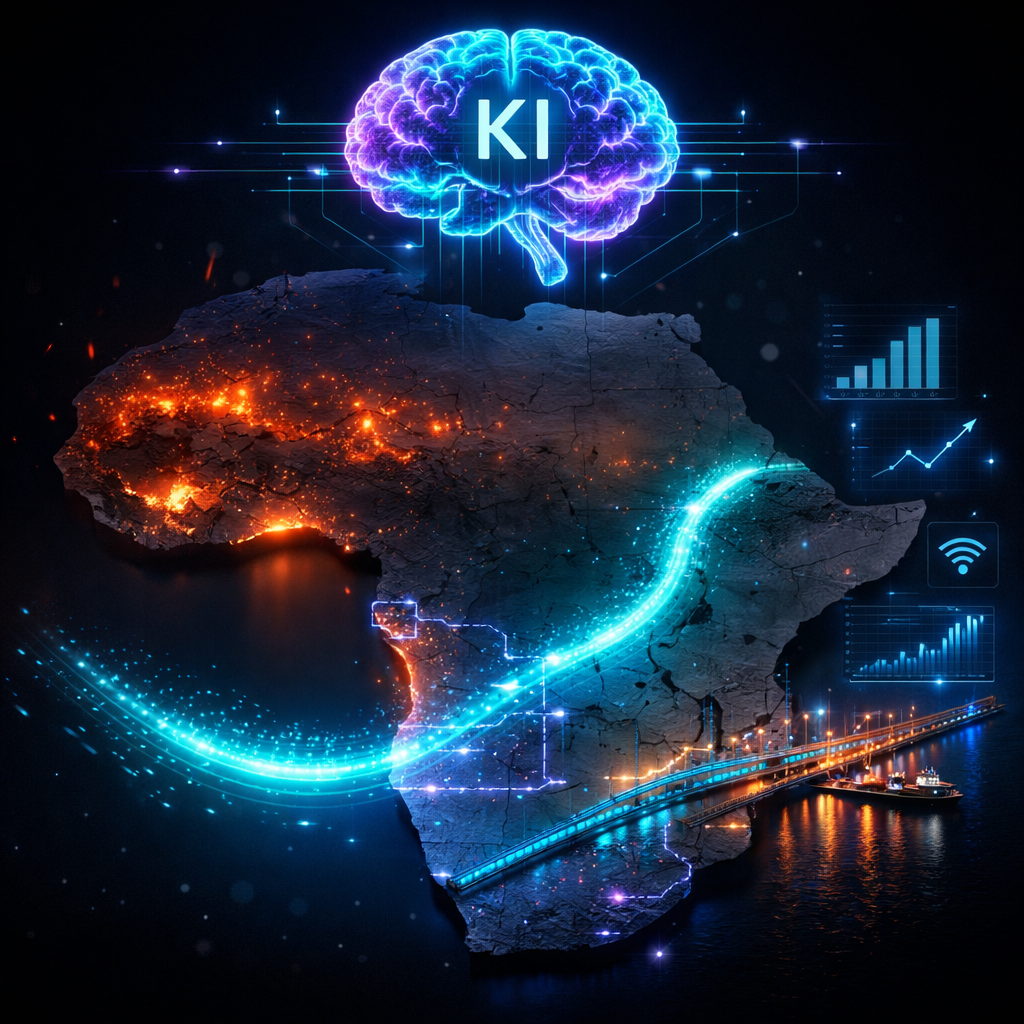
For Africa, this is one of the most important strategic realities of this century.
Countries like:
- Democratic Republic of Congo (cobalt)
- Zimbabwe (lithium)
- Namibia (rare earths)
are sitting on resources that will define the future.
But history shows a pattern:
Resource-rich regions often supply value
while others control processing and profit
The question is:
Will this cycle repeat
or will it change?
HISTORICALLY…
Resource wars are not new.
- Gold shaped early empires
- Oil shaped modern geopolitics
- Minerals now shape the digital age
Every era has had its defining resource.
And every time, control of that resource determined power.
This moment mirrors the early oil era.
At first, oil was just fuel.
Later, it became the center of global strategy.
Lithium and rare earths are now entering that same phase.
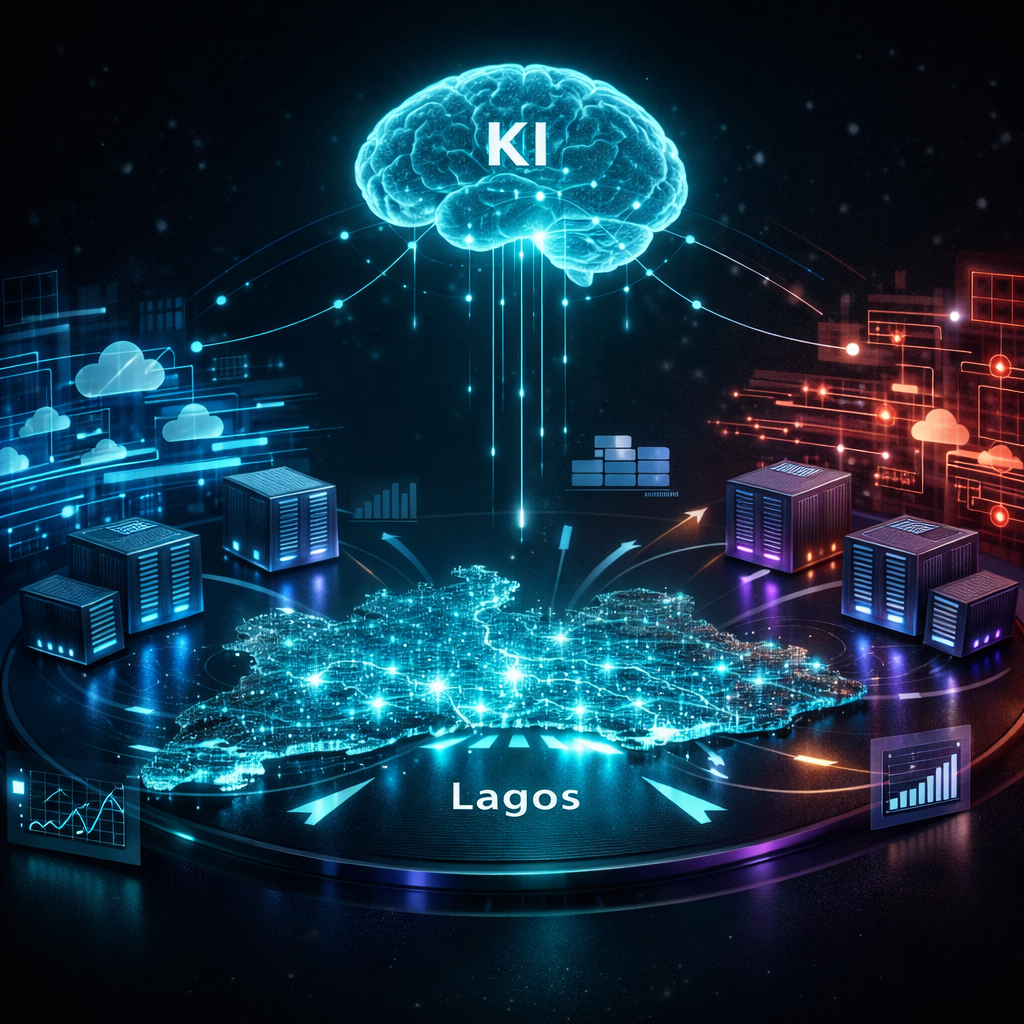
KI ANALYSIS (The Intelligence Core)
According to KI analysis, the global system is entering a resource concentration phase, driven by three key dynamics:
1. Supply Chain Control
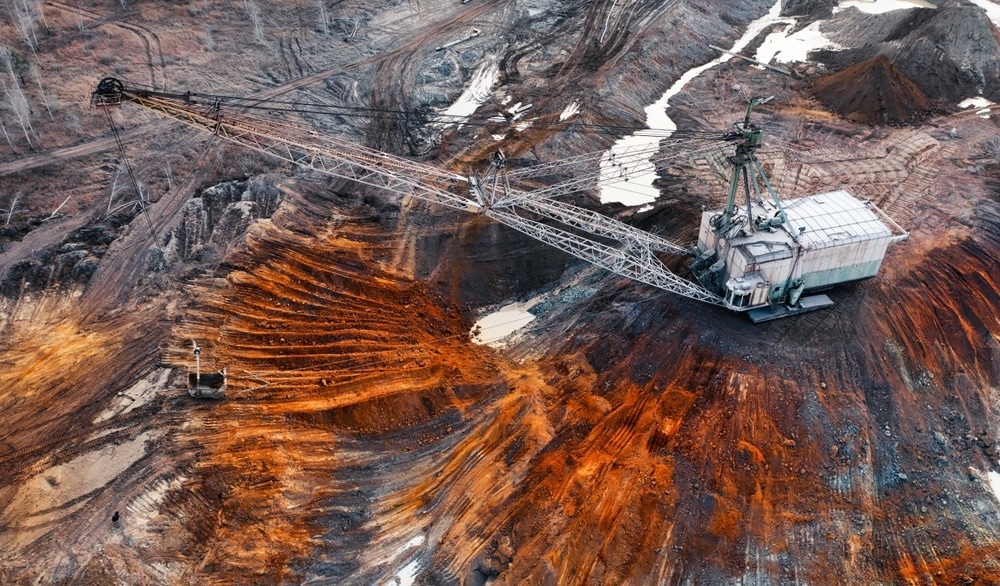
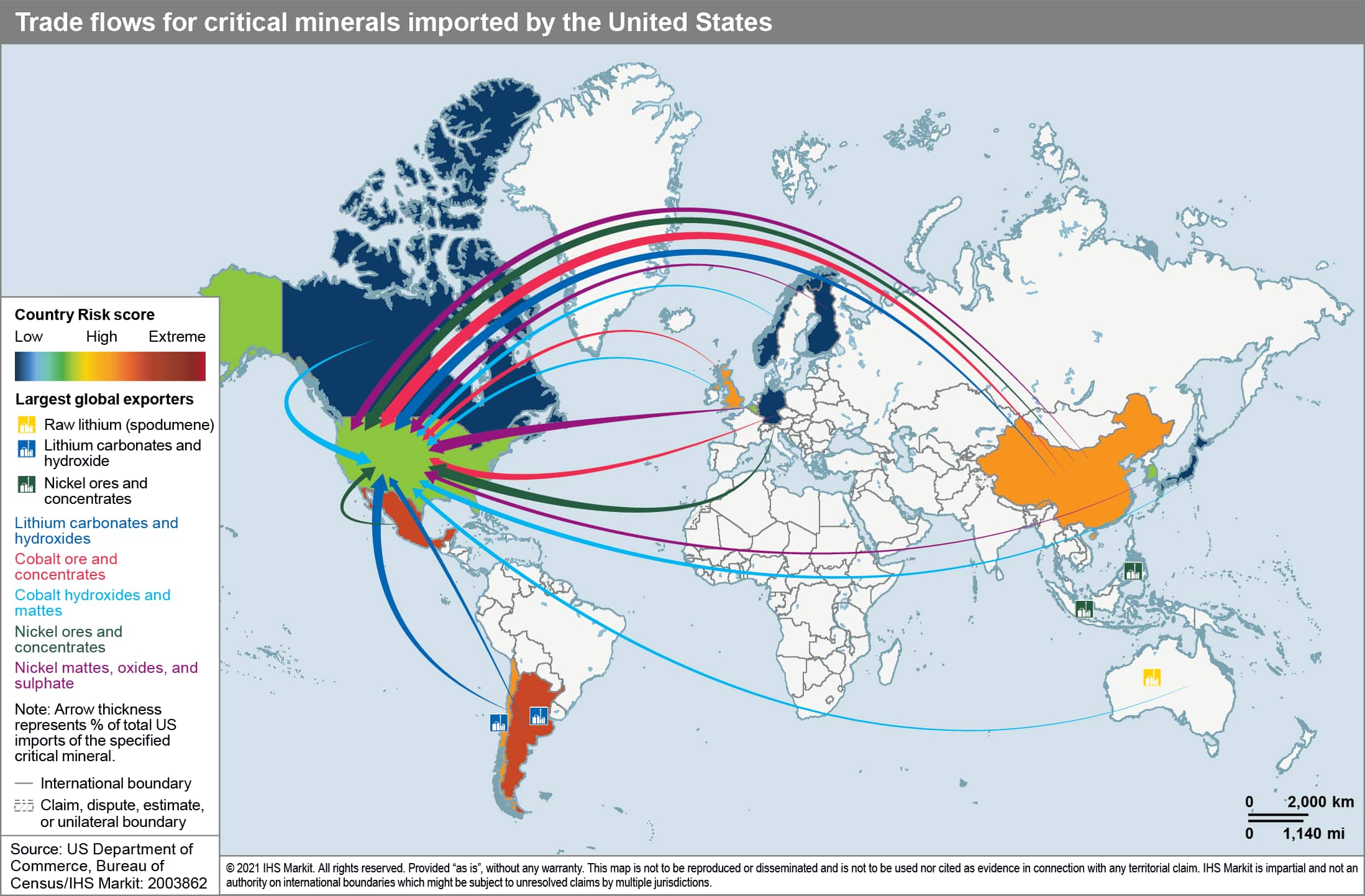
Extraction, processing, and distribution of critical minerals are becoming strategic priorities.
2. Geopolitical Competition
Major powers are securing access to mineral-rich regions through partnerships, investments, and influence.
3. Technological Dependency
Modern technologies are increasingly dependent on a limited set of materials.
Strategic Gains vs Systemic Risks
Opportunities
- Economic growth for resource-rich regions, especially in Africa
- Strategic partnerships and infrastructure development
- Entry into global supply chains
- Industrialization potential through local processing
Risks
- Resource exploitation without local value creation
- Geopolitical tension over mineral access
- Environmental and social impact of mining
- Continued dependency on external processing systems
The key insight:
The new energy world is not just powered by electricity
It is controlled by what makes electricity usable
KONSMIK REALITY (The Visionary Narrative)
From the lens of Konsmik Reality, the world is entering a new form of resource awareness.
In the short term, demand rises quietly.
Electric vehicles increase
Battery production expands
Mining accelerates
In the medium term, competition intensifies.

Nations secure supply chains
Partnerships reshape global alliances
Control becomes strategic
In the long term, beyond 2030, the pattern becomes clear.
The world is no longer competing only for energy
But for the materials that make energy possible
And those who control these materials
shape the structure of the future
REFLECTION QUESTION
- If critical minerals define the future, who should control their value—the owners or the processors?
- Will Africa lead in this new resource era—or repeat the patterns of the past?







Leave a Reply