

Waides Feed
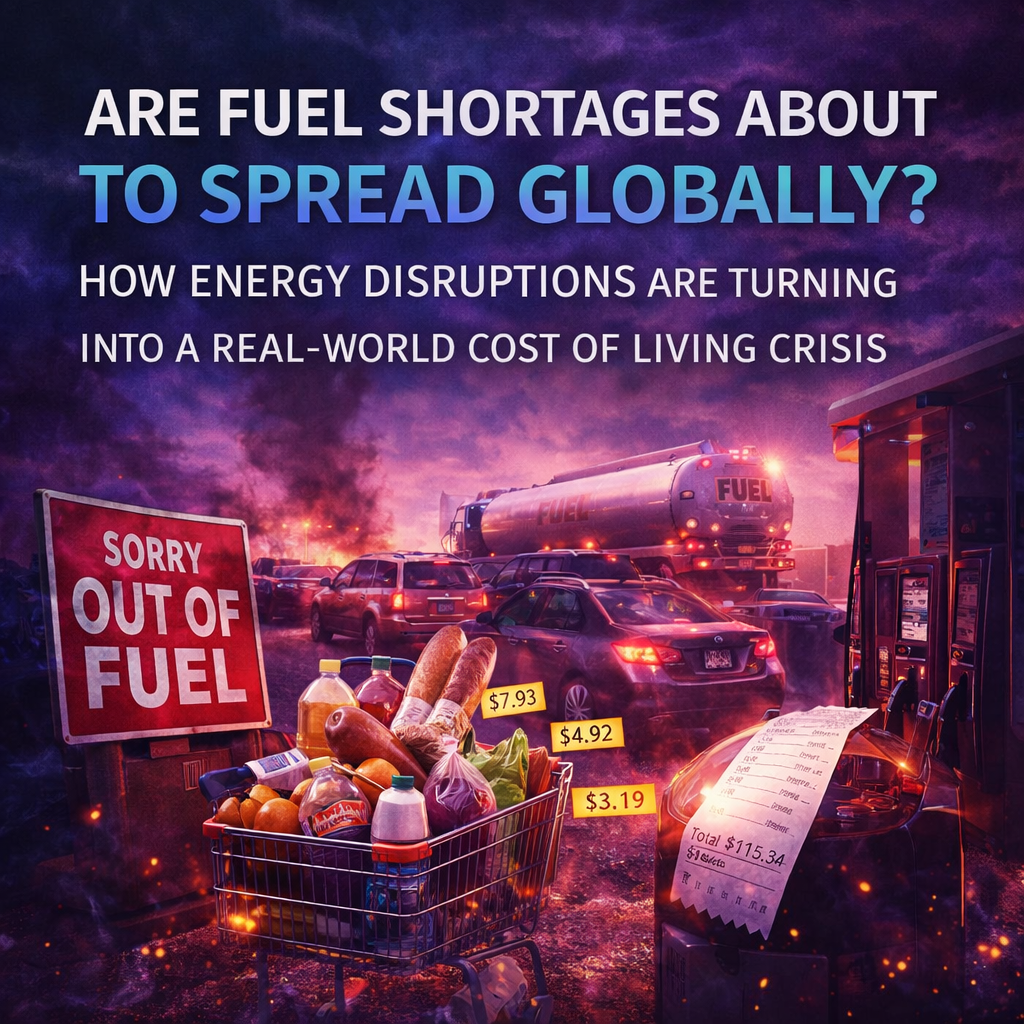
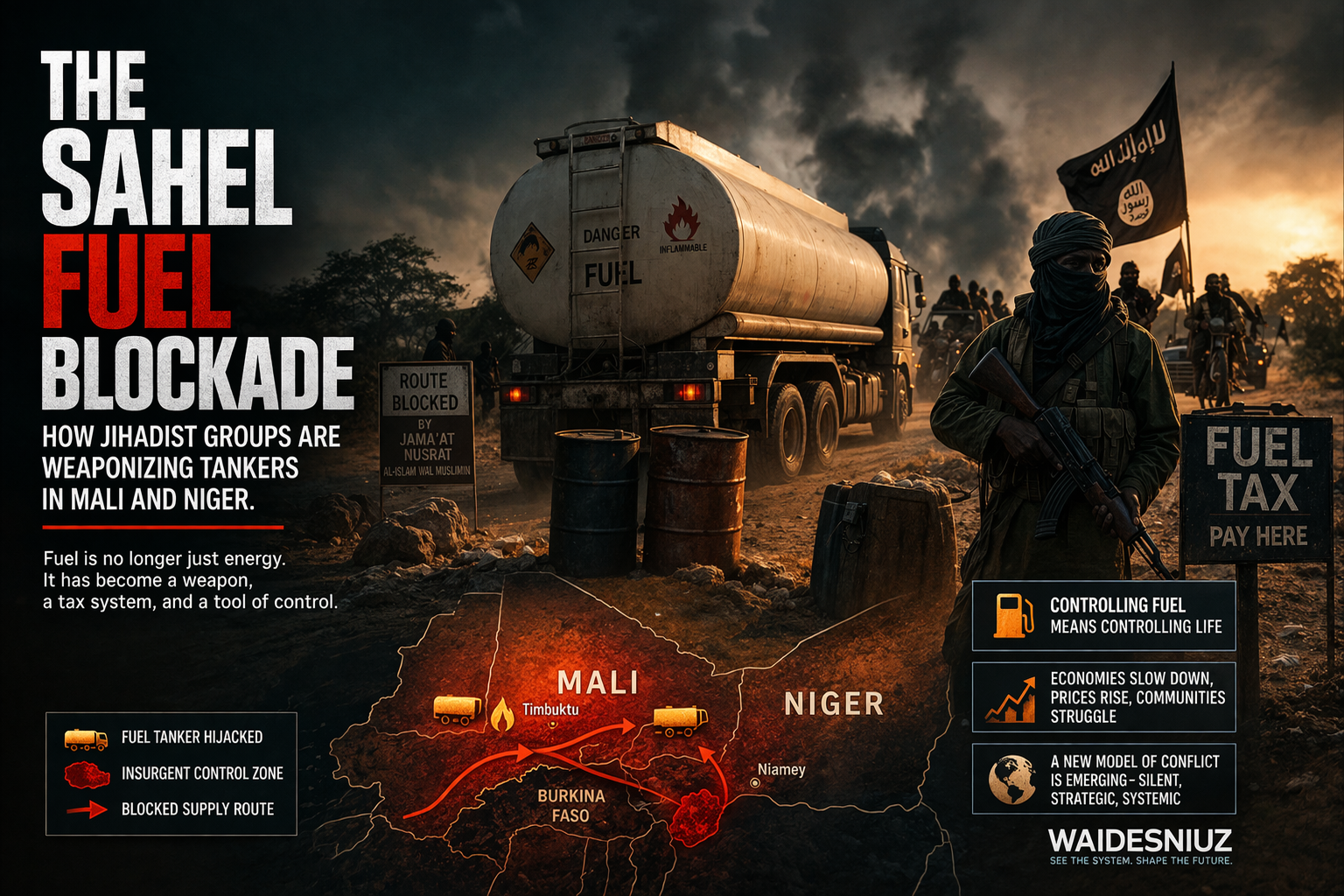
The early signs are already here. Fuel shortages are no longer theoretical risks — they are beginning to appear in isolated regions, signaling what could become a wider global pattern if current pressures continue.
What makes this moment critical is not just supply disruption, but timing. Energy systems are already under strain from geopolitical tension, rising demand, and limited flexibility in production and distribution. When these pressures combine, even small disruptions can create outsized effects.
But beneath the surface, the real story is about system fragility. Modern economies rely on continuous, uninterrupted energy flow. Fuel powers transportation, logistics, food production, and daily life. When that flow is disrupted, the impact spreads quickly across every layer of society.
This is how shortages evolve — not instantly, but through accumulation. First, delays. Then, price increases. Then, localized scarcity. And eventually, widespread pressure.
“A fuel shortage is not just about energy — it is the moment when systems begin to slow down.”
WHY IT MATTERS / PUBLIC CONTEXT
Fuel is the backbone of daily life. When it becomes unstable, everything becomes expensive.
This is how global crises quietly enter homes — through transport, food, and basic living costs.
For individuals, this means higher transport fares, increased food prices, and reduced affordability. For businesses, it means higher operational costs and potential disruptions. For governments, it creates pressure to stabilize supply and prevent public unrest.
Regional Positioning: Africa & Global System
Opportunity: Energy-producing regions gain leverage and economic advantage
Risk: Import-dependent countries face shortages, inflation, and social pressure
Shift: Increased urgency for local energy production and infrastructure development
HISTORICALLY…
Fuel shortages have historically marked periods of major disruption. From past oil crises to supply chain breakdowns, the pattern remains consistent — energy constraints lead to economic and social stress.
What is different today is the speed of impact. Global systems are more interconnected, meaning disruptions spread faster and affect more people simultaneously.
KI ANALYSIS
According to KI analysis, emerging fuel shortages are the result of layered system pressure rather than a single point of failure.
Driving Forces:
Geopolitical tension affecting supply routes
Rising global demand with limited flexibility
Logistics and distribution bottlenecks
Market reactions amplifying scarcity perception
Power Mapping:
Beneficiaries: Energy exporters, logistics controllers, strategic reserve holders
Vulnerable: Import-dependent nations, urban populations, small businesses
Opportunities:
Investment in local energy production
Development of alternative transport systems
Innovation in supply chain efficiency
Risks:
Widespread cost-of-living increases
Economic slowdown
Social unrest driven by affordability pressure
FOR KONSMIK CIVILIZATION
In a Konsmik Civilization, energy supply is decentralized and resilient. Each region operates its own integrated energy systems, reducing dependency on external sources.
Transport systems are optimized for efficiency, and energy storage ensures continuity even during disruption. There is no sudden scarcity because the system is designed to anticipate and absorb shocks.
Supply is balanced dynamically, ensuring stability across all regions. The result is continuity, even in times of global tension.
SOLUTION LAYER (KSI)
Micro (Individuals):
Reduce unnecessary fuel dependency
Plan expenses with rising costs in mind
Explore alternative transport options
Meso (Institutions):
Strengthen fuel storage and distribution systems
Invest in alternative energy solutions
Improve logistics efficiency
Macro (System Level):
Develop local energy infrastructure
Diversify energy sources
Create policies for supply stability and crisis management
KONSMIK REALITY
Short-term (1–2 years):
This is already unfolding. Localized shortages and price spikes will continue to appear.
Medium-term (3–5 years):
Signals suggest a push toward energy independence and infrastructure development.
Long-term (2030+):
Energy systems evolve toward decentralization, reducing the risk of widespread shortages.
KI Confidence
Level: High
Range: 76–83%
Justification: Strong alignment between geopolitical pressure, supply constraints, and historical fuel shortage patterns
Closing Impact
Fuel shortages do not start as global crises.
They begin as small disruptions that slowly reach everyone.
Reflection Question
If the systems that move people and goods begin to slow down…
what happens to everything that depends on them?






Leave a Reply