

Waides Feed
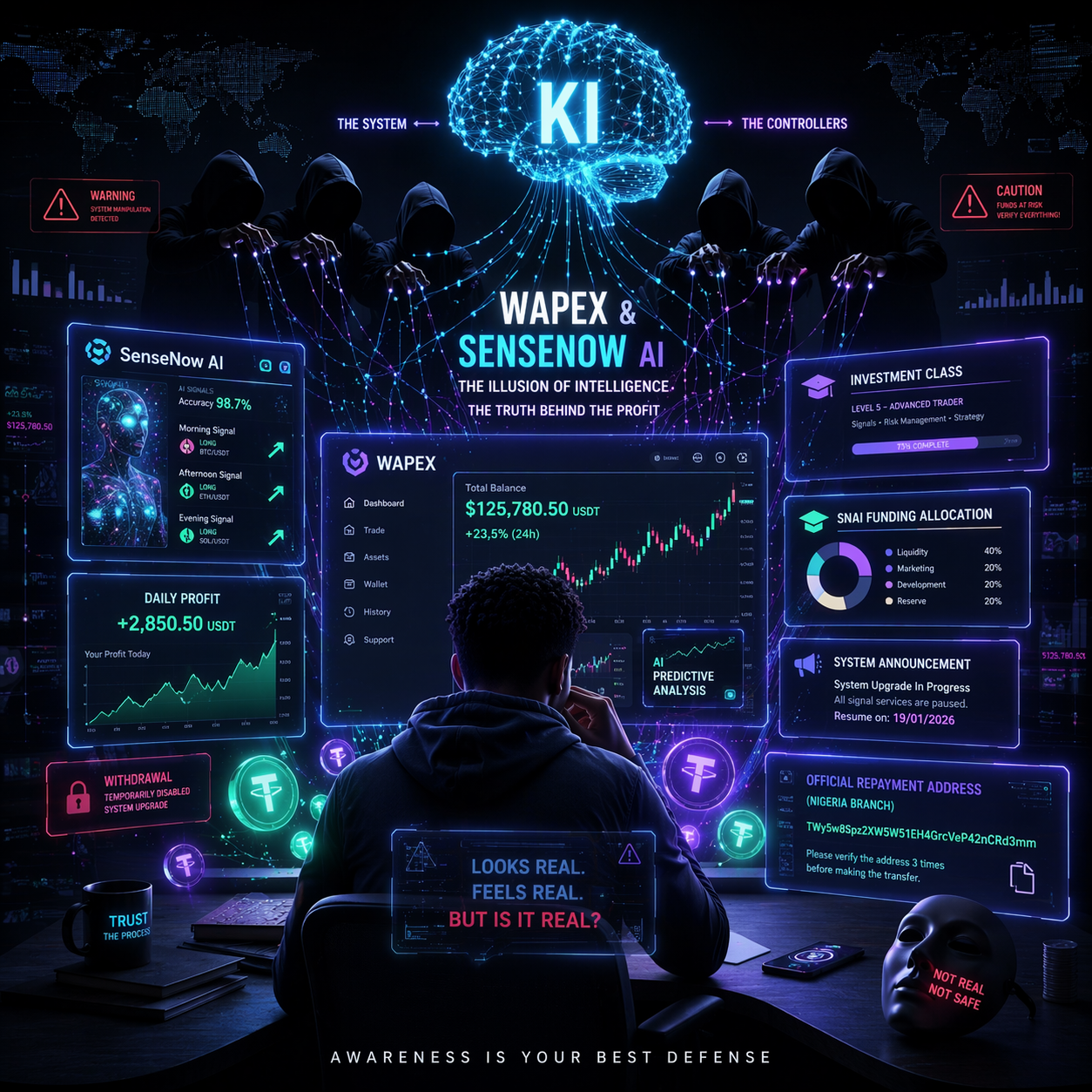
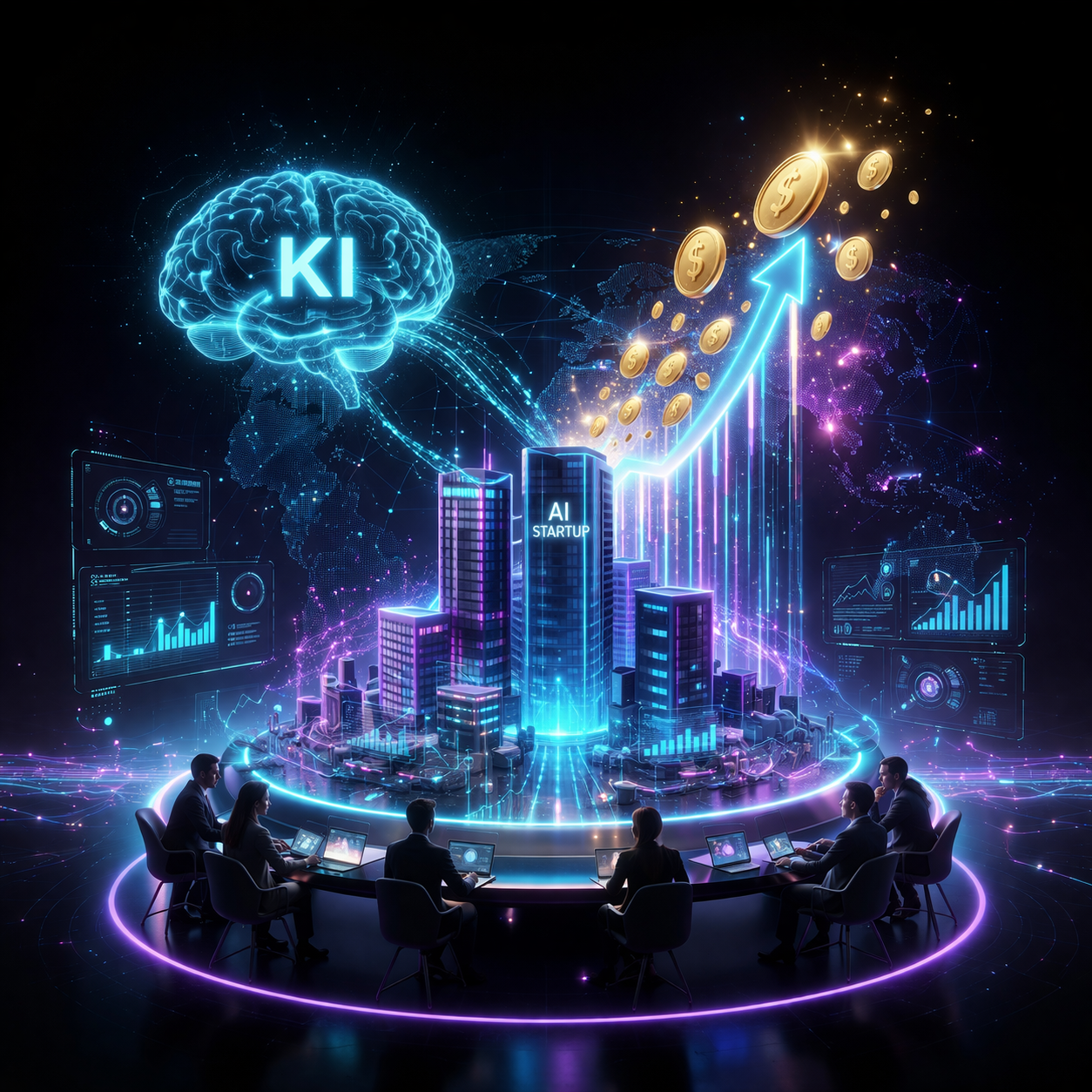
Across private chat groups and structured online communities, platforms operating under names like Wapex and SenseNow AI are presenting themselves as advanced financial ecosystems powered by artificial intelligence. At first glance, everything appears legitimate. There are organized channels, daily profit signals, investment classes, and even system announcements that mirror real financial institutions. But beneath this carefully designed structure lies a controlled environment built not for growth, but for extraction.
The system is layered with precision. Users are introduced into a community that feels active and successful. They see messages from authority figures, such as analysts or managers, who communicate using technical language around USDT signals, predictive systems, and market strategies. Over time, this builds confidence. The user begins to trust not just the platform, but the entire environment surrounding it.
What makes Wapex and SenseNow AI particularly effective is not just the promise of profit, but the simulation of reality. The platform does not rush the process. It allows small wins, controlled withdrawals, and consistent engagement. This creates a psychological shift where the user moves from observer to participant. By the time larger investments are made, the system has already established trust.
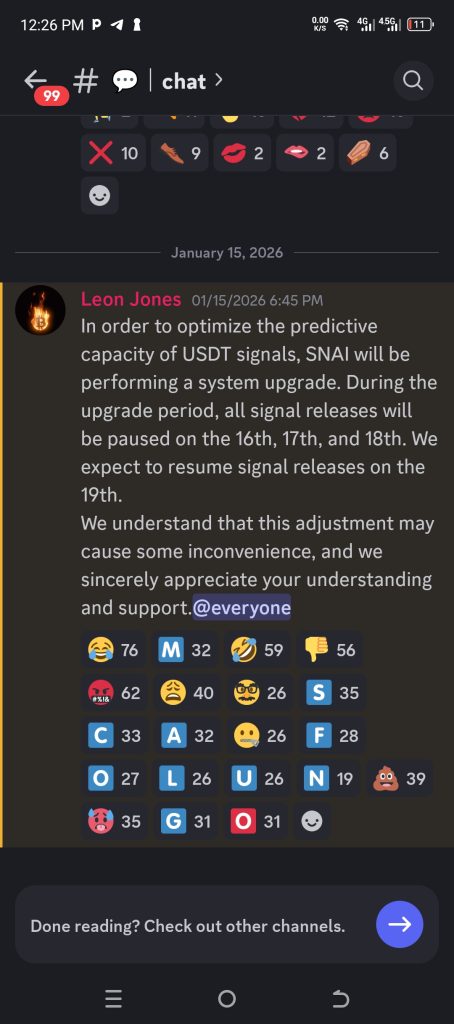
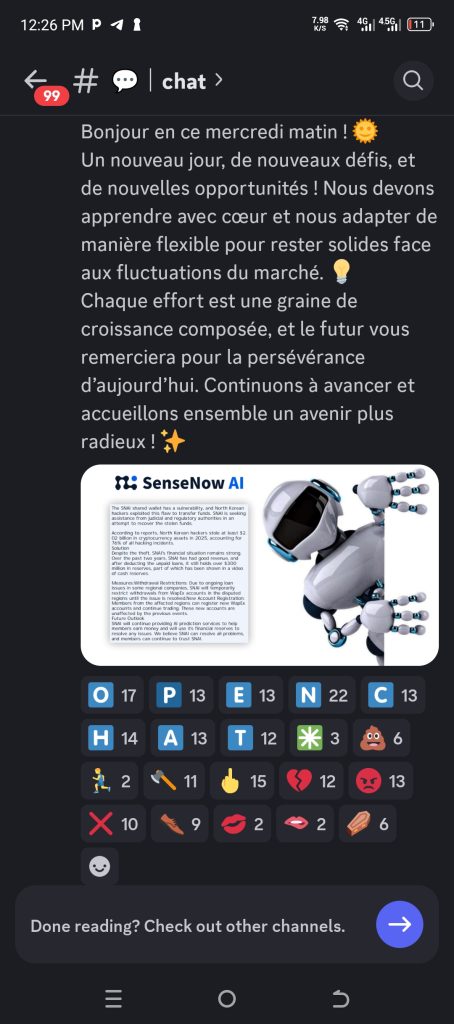
Then comes the disruption. Messages about system upgrades, security vulnerabilities, or external threats begin to appear. Withdrawals are paused. Urgency is introduced. Finally, users are instructed to send additional funds to “unlock” or “secure” their accounts. At this point, the illusion begins to break, but the structure has already done its work.
Why It Matters / Public Context
This is not just about Wapex or SenseNow AI as isolated platforms. It is a signal of how digital fraud is evolving into structured, intelligent systems that mimic real financial environments.
As more people enter online investment spaces without clear understanding, the risk is no longer just losing money. It is losing trust in the entire digital financial system.
For Africa and Global Systems
In Africa, where many individuals are actively seeking financial growth through digital platforms, systems like Wapex and SenseNow AI find fertile ground. They present themselves as gateways to global opportunity, offering access to what appears to be advanced financial tools.
Globally, similar patterns are emerging. From Asia to Europe, these systems adapt their messaging to local audiences while maintaining the same core structure. The strategy remains consistent: build trust through familiarity, then control perception through structure.
This reveals a deeper imbalance. Technology is expanding access to financial systems, but understanding is not growing at the same pace. Where knowledge is limited, structured deception becomes effective.
KI Analysis
According to KI analysis, Wapex and SenseNow AI operate as a coordinated system of psychological and structural manipulation rather than a legitimate financial platform.
Causes:
The rise of AI as a trusted concept has created a shortcut in human judgment. When people hear “AI-powered trading,” they assume accuracy and intelligence. At the same time, economic pressure pushes individuals toward alternative income sources, making them more receptive to opportunities that promise fast returns.
Systems:
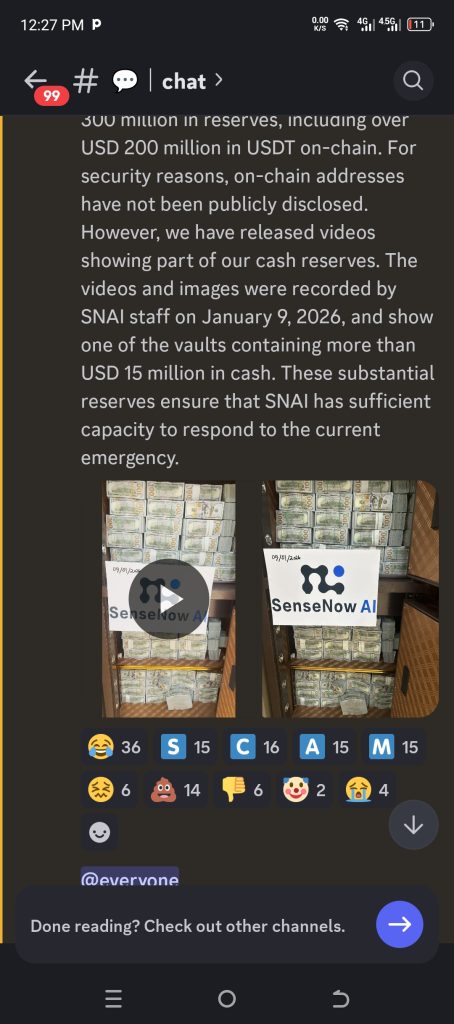
The system is built in layers. Community channels simulate engagement and success. Authority figures guide user behavior. Visual elements, such as proof of funds or profit screenshots, reinforce belief. Technical language creates a barrier that discourages questioning. Each layer works together to maintain the illusion.
Power:
Control lies with those who design the environment. By shaping what users see and how they interpret it, the system influences decisions without direct force. The user believes they are acting independently, while the structure is guiding every step.
Opportunities:
- Increased demand for platforms that provide clear, verified financial information
- Growth of digital literacy and scam awareness across emerging markets
- Development of tools that help users identify and verify online investment systems
Risks:
- Large-scale financial losses among individuals who trust these systems
- Erosion of confidence in legitimate digital investment platforms
- Evolution of more advanced scams using AI, automation, and deeper personalization
Konsmik Reality
This is already unfolding.
Short-Term (1–2 years):
Platforms like Wapex and SenseNow AI will continue to appear under different names. The structure will remain the same, even as branding changes. More users will encounter similar systems disguised as intelligent financial solutions.
Medium-Term (3–5 years):
Regulatory bodies will begin to respond more actively. Verification systems will be introduced, but scammers will evolve, using more advanced techniques such as AI-generated voices and personalized targeting.
Long-Term (5–10 years):
The concept of trust in digital environments will fundamentally change. Users will rely less on appearance and more on verifiable systems. Platforms that cannot prove transparency will struggle to survive.
This is not just about one platform. It is about a shift in how reality is constructed and perceived in digital spaces.
Reflection Question
When a system looks real, feels real, and behaves like a real financial platform,
what tools do you have to determine if it truly is?
And as digital systems become more advanced,
will trust be based on belief… or verification?









Leave a Reply