

Waides Feed
The AI landscape in 2026 is no longer experimental—it is central to economic, technological, and societal evolution. ChatGPT and Bard, once seen as complementary tools, now compete for dominance across industries, education, creativity, and governance. Corporations, governments, and individuals are rapidly integrating these platforms into decision-making, content generation, and knowledge management, reshaping how humans interact with machines globally.
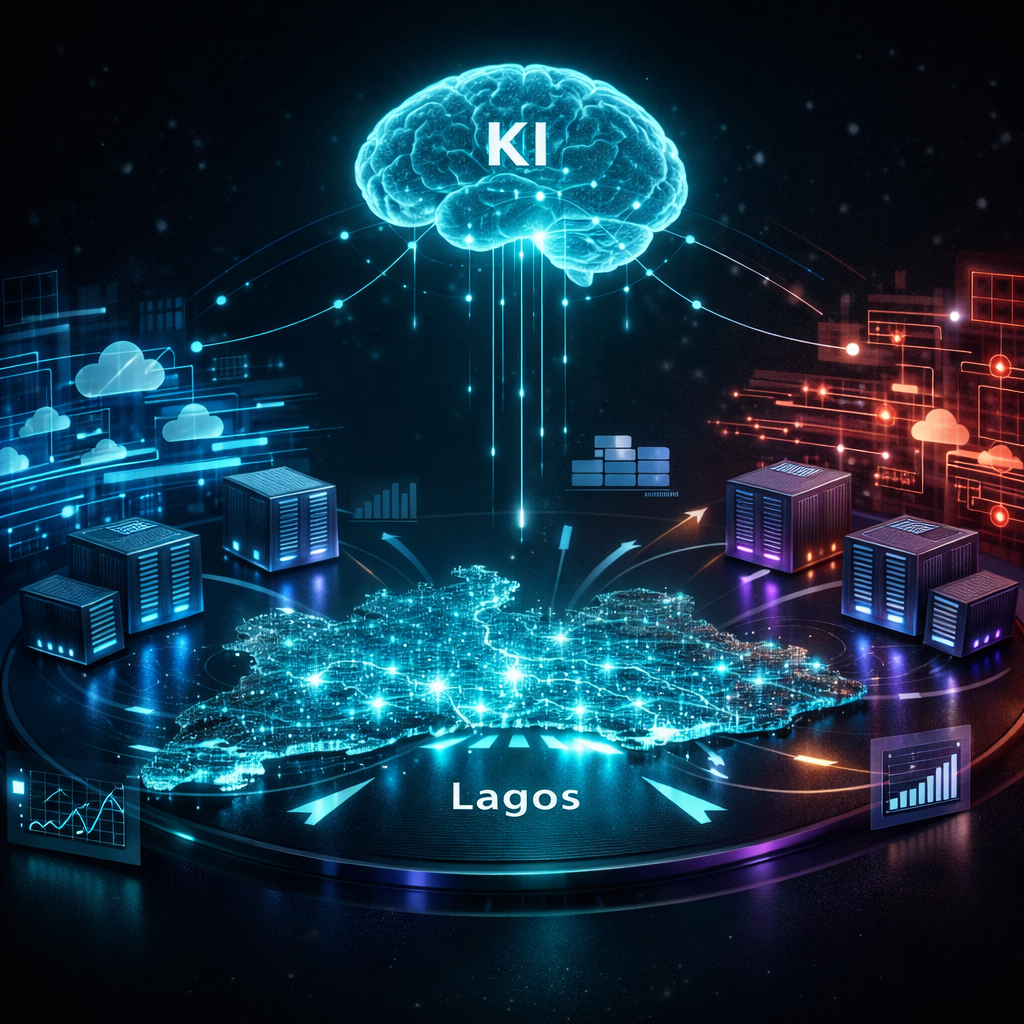
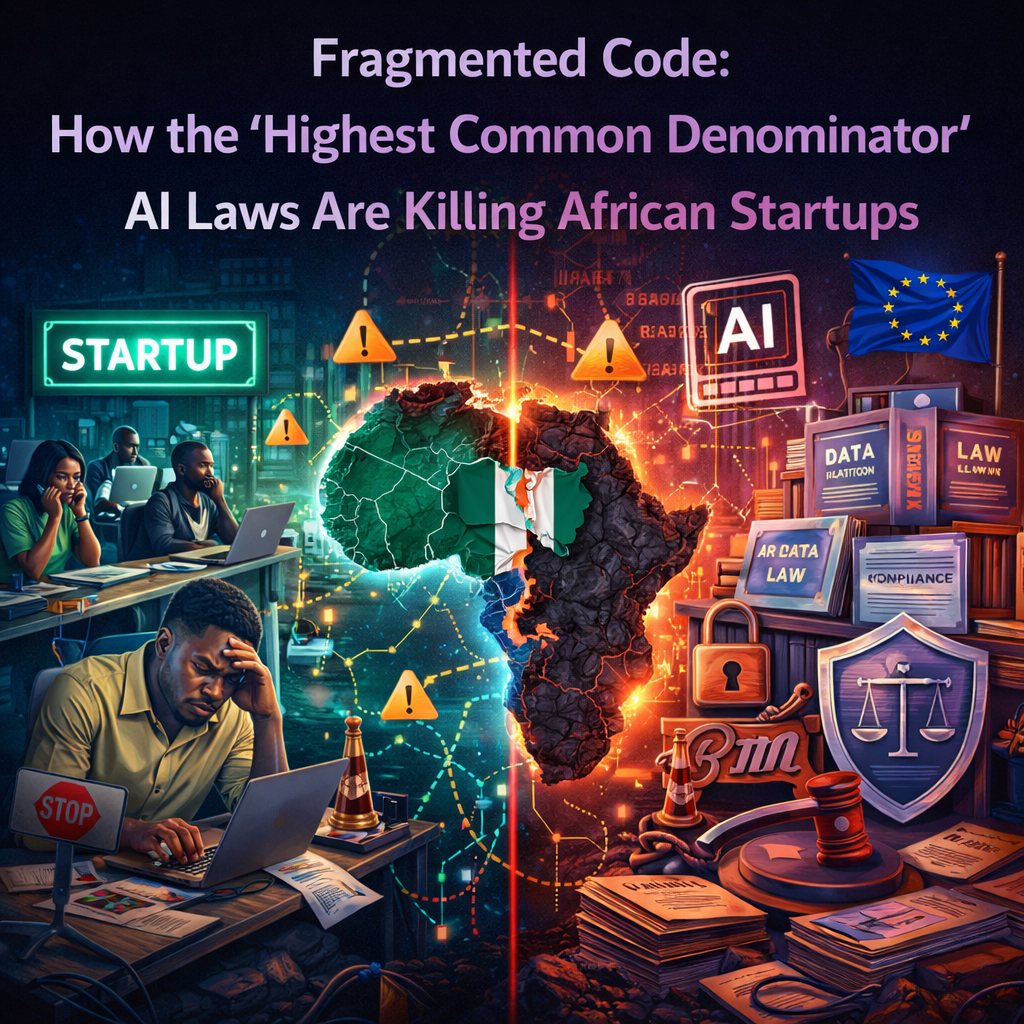
Africa is an increasingly important player in this dynamic. Tech hubs in Lagos, Nairobi, and Cape Town are adopting AI not just for automation, but for localized solutions—healthcare diagnostics, agricultural optimization, fintech innovation, and language translation for diverse populations. At the same time, the global ripple effects of AI adoption in North America, Europe, and Asia influence investment flows, regulatory frameworks, and technological partnerships that directly affect African startups and economies.
The competitive dynamic between ChatGPT and Bard is emblematic of broader shifts: machine intelligence is becoming not only a tool but also a strategic asset. Organizations leveraging AI effectively gain exponential advantages in productivity, predictive insight, and creative output, while those slow to adapt risk systemic lag in an interconnected global knowledge economy.
Why It Matters / Public Context
The race between ChatGPT and Bard mirrors historical technological duels that shaped industries and societies. Think back to Microsoft vs Apple in the 1980s, Google vs Yahoo in the early 2000s, or Tesla vs traditional automakers in the 2010s. Each rivalry accelerated innovation while reshaping market structures, consumer expectations, and global competitive hierarchies.
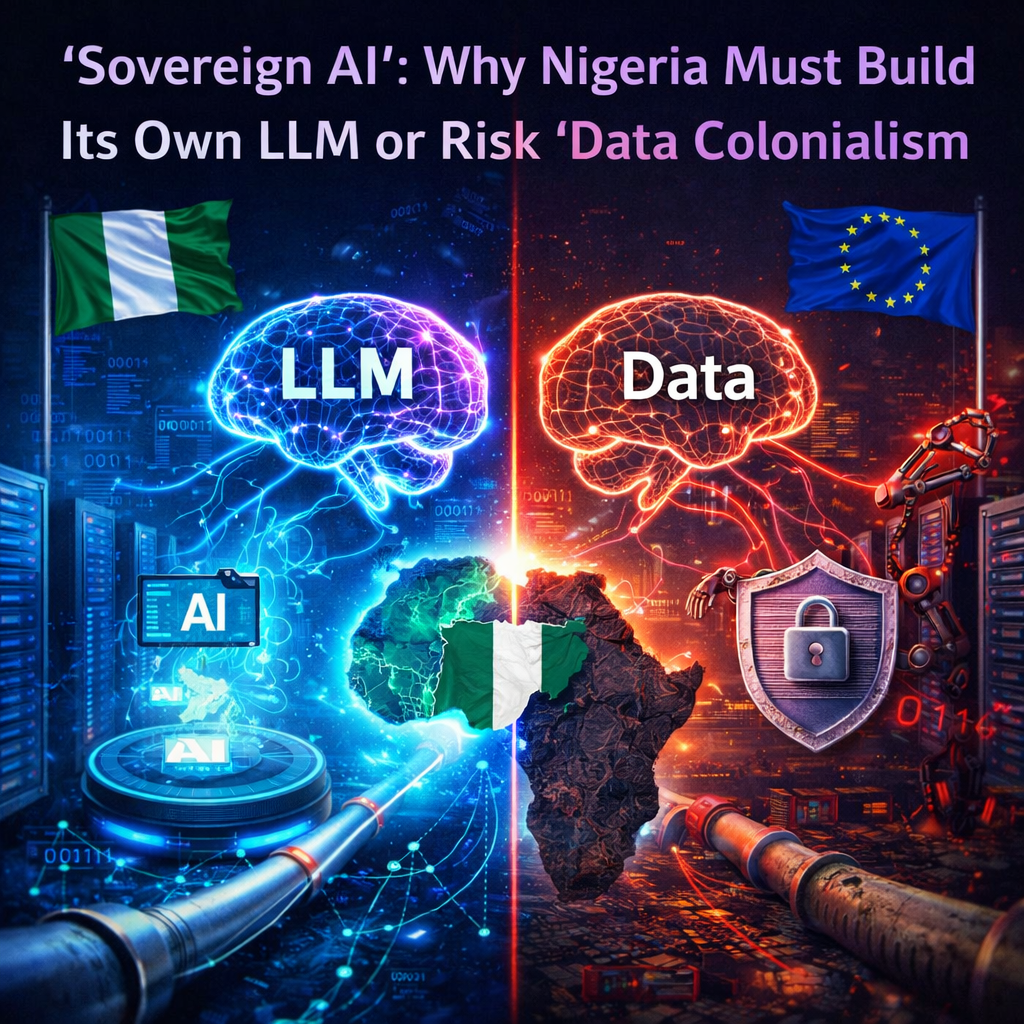
In 2026, the stakes are higher: AI touches not only business and science, but culture, governance, and education. Markets reflect human psychology; AI tools influence perception, knowledge access, and decision-making. Africa’s positioning is crucial: early adoption, local adaptation, and regulatory foresight will determine whether the continent becomes a center of AI-driven growth or remains dependent on external platforms. This is more than an AI comparison—it’s a lens into the evolving architecture of global intelligence and the power of digital influence.
KI Analysis
According to KI analysis, the ChatGPT vs Bard rivalry is a multidimensional contest encompassing technology, strategy, culture, and ethics.
ChatGPT demonstrates deep conversational coherence, adaptability, and creative reasoning, excelling in knowledge synthesis and contextual understanding. Bard, backed by Google’s massive data ecosystem, leverages real-time internet access, advanced search integration, and analytical precision.
Opportunities emerge in hybrid adoption: businesses and individuals can integrate both systems for complementary strengths—ChatGPT for reasoning and creative outputs, Bard for research-driven decision-making. Economically, this duality enables faster content generation, predictive analytics, and automation across sectors. Societally, AI adoption improves education, accessibility, and knowledge democratization, but raises ethical dilemmas around bias, misinformation, and dependency.
Pros: Increased productivity, broader knowledge access, innovation acceleration, cross-cultural communication.
Cons: Regulatory uncertainty, risk of over-reliance, potential systemic bias, and the growing complexity of managing multiple AI systems.
Actionable insight: Organizations and innovators should evaluate AI platforms based on specific contextual needs, combine their strengths strategically, and maintain human oversight to mitigate systemic risks.
Konsmik Reality
From the lens of Konsmik Reality, the ChatGPT vs Bard competition is more than a software duel—it reflects civilization’s negotiation with intelligence itself. Short-term (1–2 years), adoption accelerates workplace automation, AI-assisted research, and educational enhancement. Medium-term (3–5 years), hybrid human-AI collaboration reshapes industries, knowledge hierarchies, and economic competitiveness. Long-term (5–10 years), AI integration becomes a defining civilizational factor: nations, corporations, and societies that harness intelligence strategically will influence global norms, culture, and technological trajectories.
Underlying forces include human ambition, information asymmetry, and technological acceleration. Time horizons matter: today’s platform choice is tomorrow’s structural advantage. Africa, by investing in local AI capacity, policy foresight, and ethical deployment, can shape both the regional and global intelligence ecosystem rather than passively consume external platforms. This conflict is therefore a mirror into humanity’s evolving relationship with intelligence, knowledge, and power.
Reflection Question
As AI reshapes knowledge, culture, and power:
Will you adopt ChatGPT, Bard, or both strategically to gain an advantage in the knowledge economy of 2026?
How can Africa and emerging markets ensure that AI becomes a tool for empowerment rather than dependency?








Leave a Reply