

Waides Feed
The most powerful form of control is not force.
It is restriction.
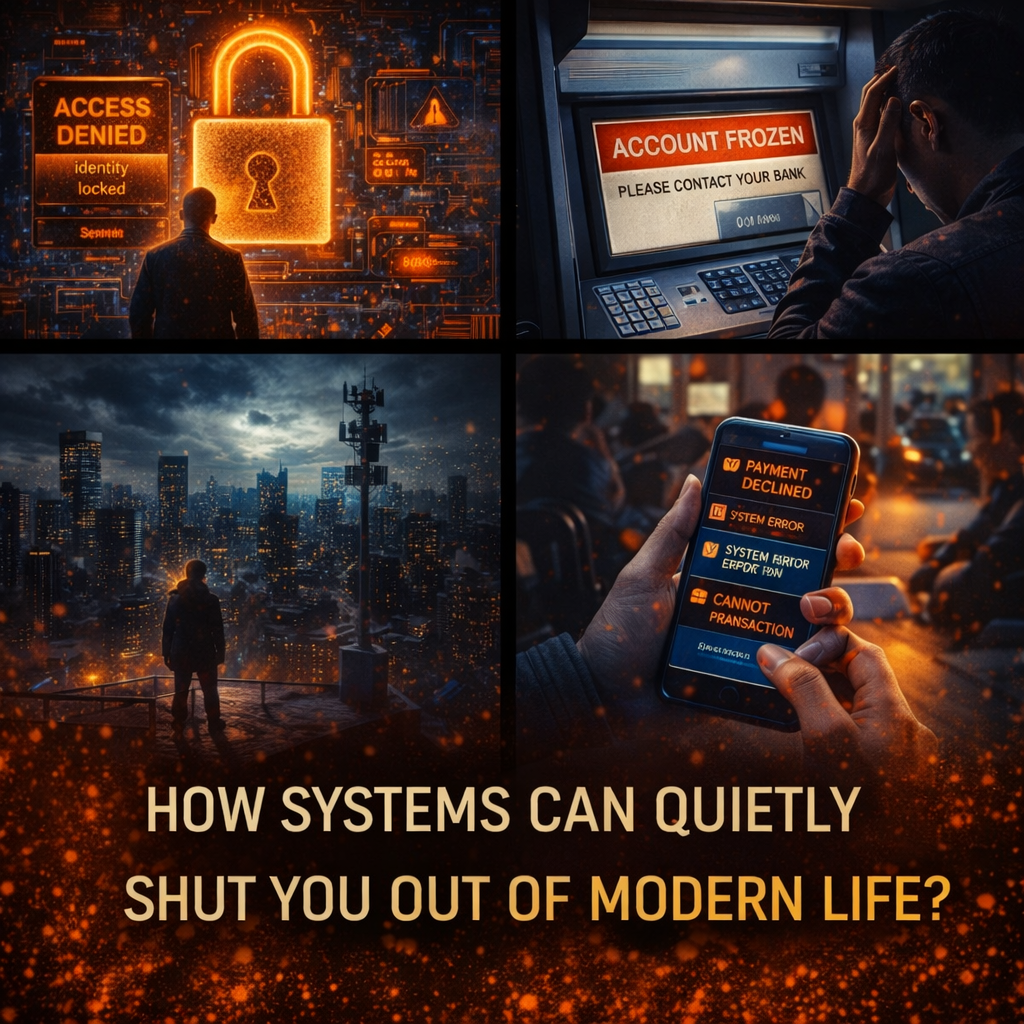
As digital systems become the foundation of modern life, a new reality is emerging—access is no longer guaranteed. It is managed.
Banking systems can be paused.
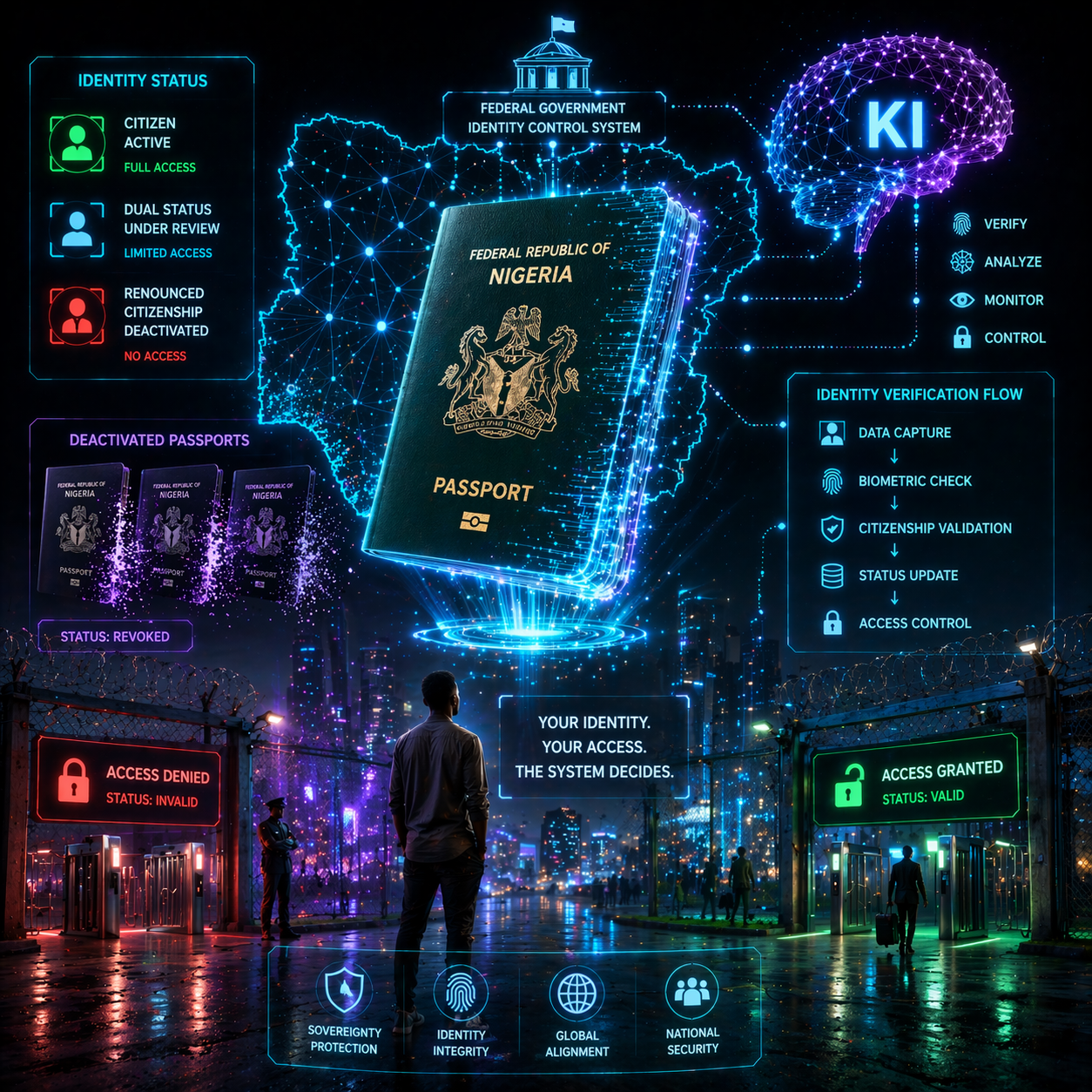
Digital identities can be flagged.
Platforms can restrict participation.
And when these systems are connected, one restriction can affect everything.
This is not about punishment.
It is about system-level control
Because when access becomes digital,
it can also be digitally removed

WHY IT MATTERS / PUBLIC CONTEXT
The Silver Platter:
Modern life now depends on digital systems, and those systems have the power to grant or deny access instantly.
If access becomes conditional, participation in society itself can be quietly controlled.
Think about how much you rely on systems:
- Your bank for transactions
- Your phone for communication
- Platforms for work or visibility
Now imagine losing access to one.
Then imagine losing access to all—at once.
This is the hidden risk of interconnected systems.
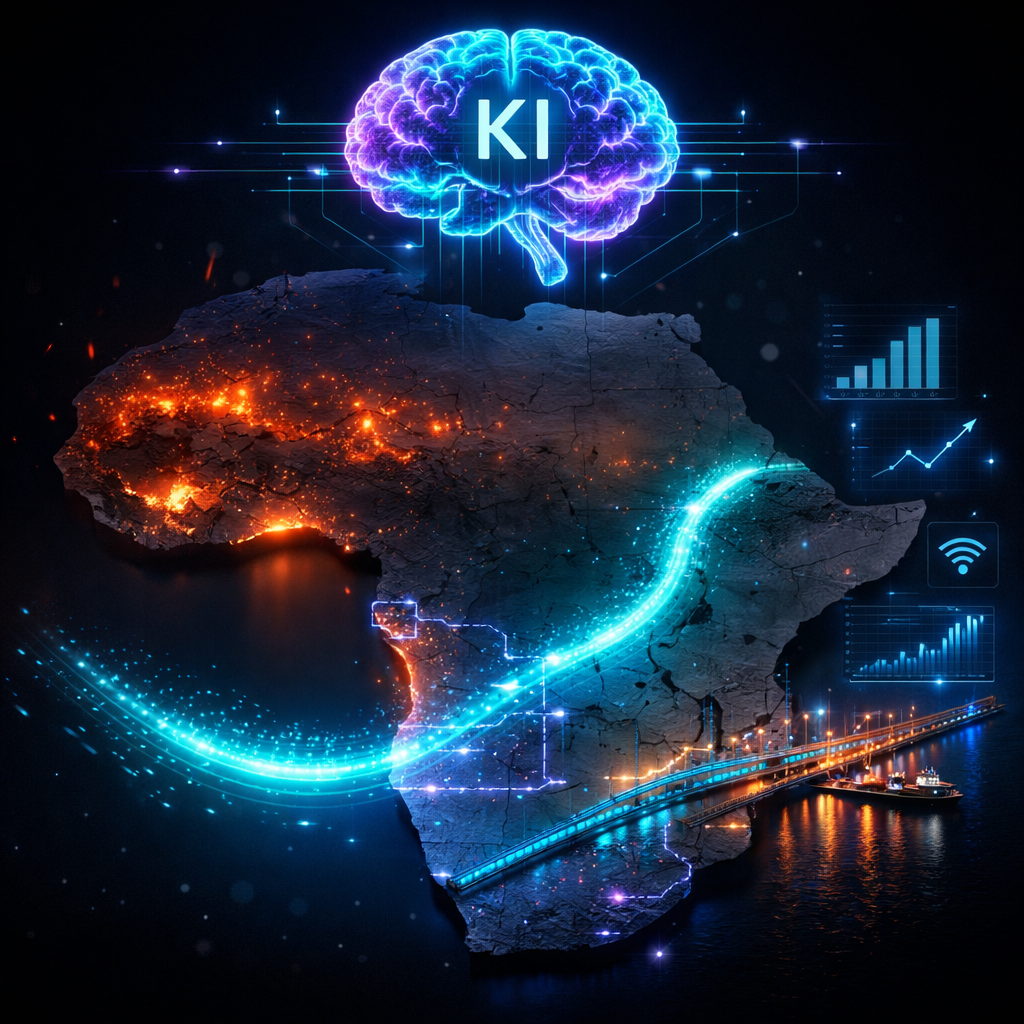
For Africa, where digital adoption is rapidly accelerating through fintech and mobile platforms, this creates both opportunity and vulnerability.
Access expands quickly.
But so does the possibility of restriction.
Globally, the pattern is forming:
Systems are becoming essential
And essential systems are becoming controllable

HISTORICALLY…
Control has always existed, but it required visibility.
Governments imposed restrictions physically.
Institutions enforced control visibly.
People could see it.
People could react to it.
But digital systems change that.
Control no longer needs to be physical.
It can be silent.
This mirrors the shift from physical cash to digital banking.
At first, it increased convenience.
But it also created dependency.
Now, system-level control follows the same path.
From helpful
To essential
To decisive

KI ANALYSIS (The Intelligence Core)
According to KI analysis, the world is entering a system dependency and restriction phase, driven by three major forces:
1. System Integration
Financial, identity, and communication systems are becoming interconnected, increasing efficiency but also centralizing control.
2. Digital Gatekeeping
Access to services is increasingly governed by automated systems and policies rather than human discretion.
3. Conditional Participation
Participation in society is becoming linked to system compliance and verification.
Strategic Gains vs Systemic Risks
Opportunities
- Greater efficiency in managing services and systems
- Improved security through controlled access
- Faster response to fraud and system abuse
- Streamlined digital ecosystems
Risks
- Loss of access due to system errors or policies
- Centralized control over individual participation
- Dependency on systems with limited alternatives
- Reduced autonomy in digital environments
The key insight:
Control no longer needs enforcement
It operates through access

KONSMIK REALITY (The Visionary Narrative)
From the lens of Konsmik Reality, humanity is entering a phase where existence is tied to access.
In the short term, systems feel empowering.
Everything becomes easier
Faster
More connected
In the medium term, dependency deepens.
You rely on systems for daily life
You trust systems for access
You adapt to system rules
In the long term, beyond 2030, a new structure forms.
Life is no longer just lived freely
It is enabled through systems
If access is active
You move
If access is restricted
You pause
This is the deeper shift:
From freedom by default
To access by permission
REFLECTION QUESTION
- If your ability to live depends on systems, who should control those systems?
- Are we gaining convenience—or slowly accepting controlled participation?











Leave a Reply