

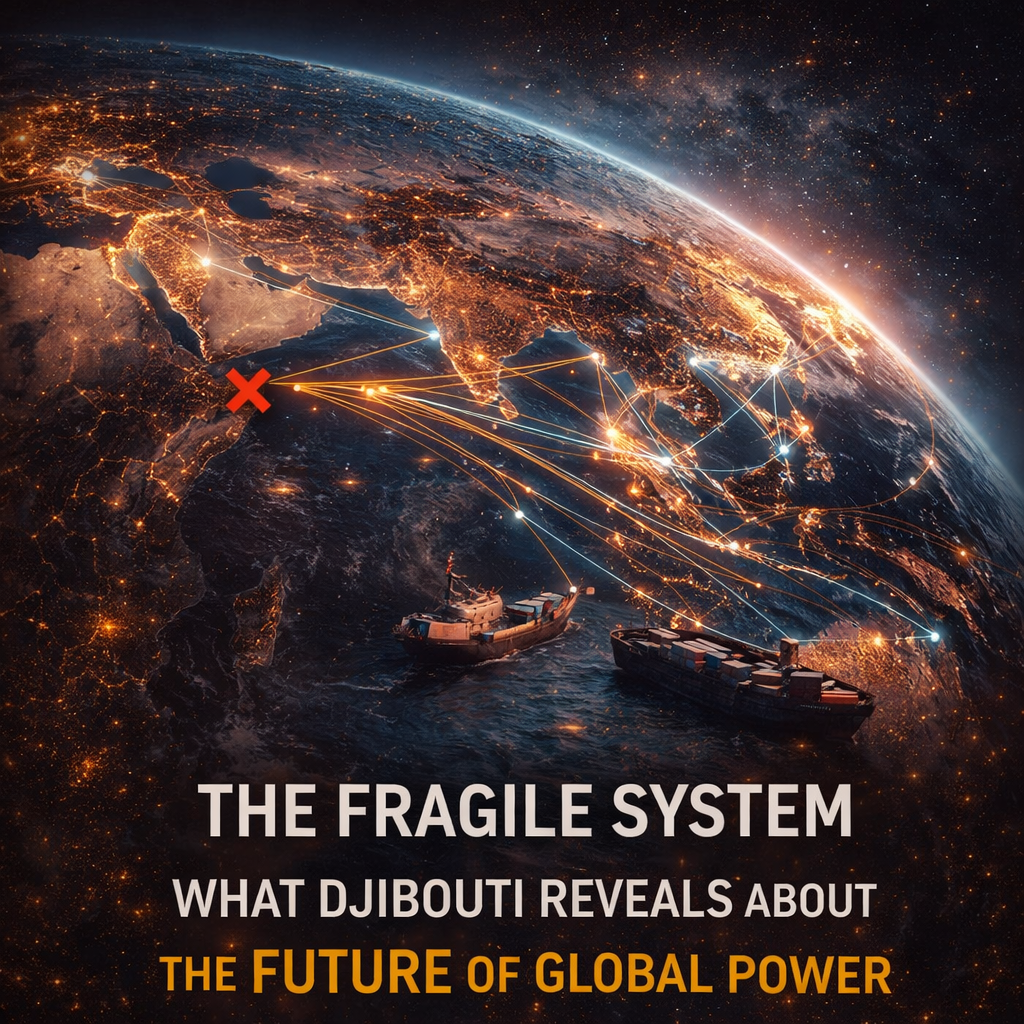
Waides Feed
Djibouti is not the story.
It is the signal.
A small nation at the edge of the Bab-el-Mandeb Strait has revealed something much bigger about the world we are entering.
Power is no longer defined by size alone.
It is defined by position within the system.
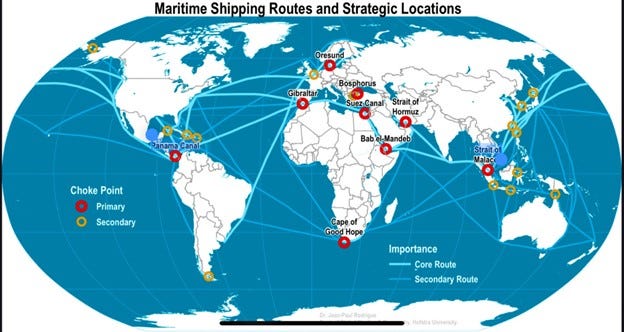
Djibouti sits at a point where trade, energy, military presence, and global influence intersect.
And when multiple critical systems converge in one place,
that place becomes more than geography
It becomes infrastructure of global stability.
Patterns & Connections
Across the world, similar patterns are emerging:
- Strategic locations are gaining disproportionate importance
- Global systems are becoming more interconnected
- Efficiency is increasing, but resilience is decreasing
This creates a new reality:
The system is faster
But also more fragile
Because when everything is connected,
everything is exposed.
Djibouti is not unique.
It is an example of a larger structural shift.
Why It Matters for Humanity
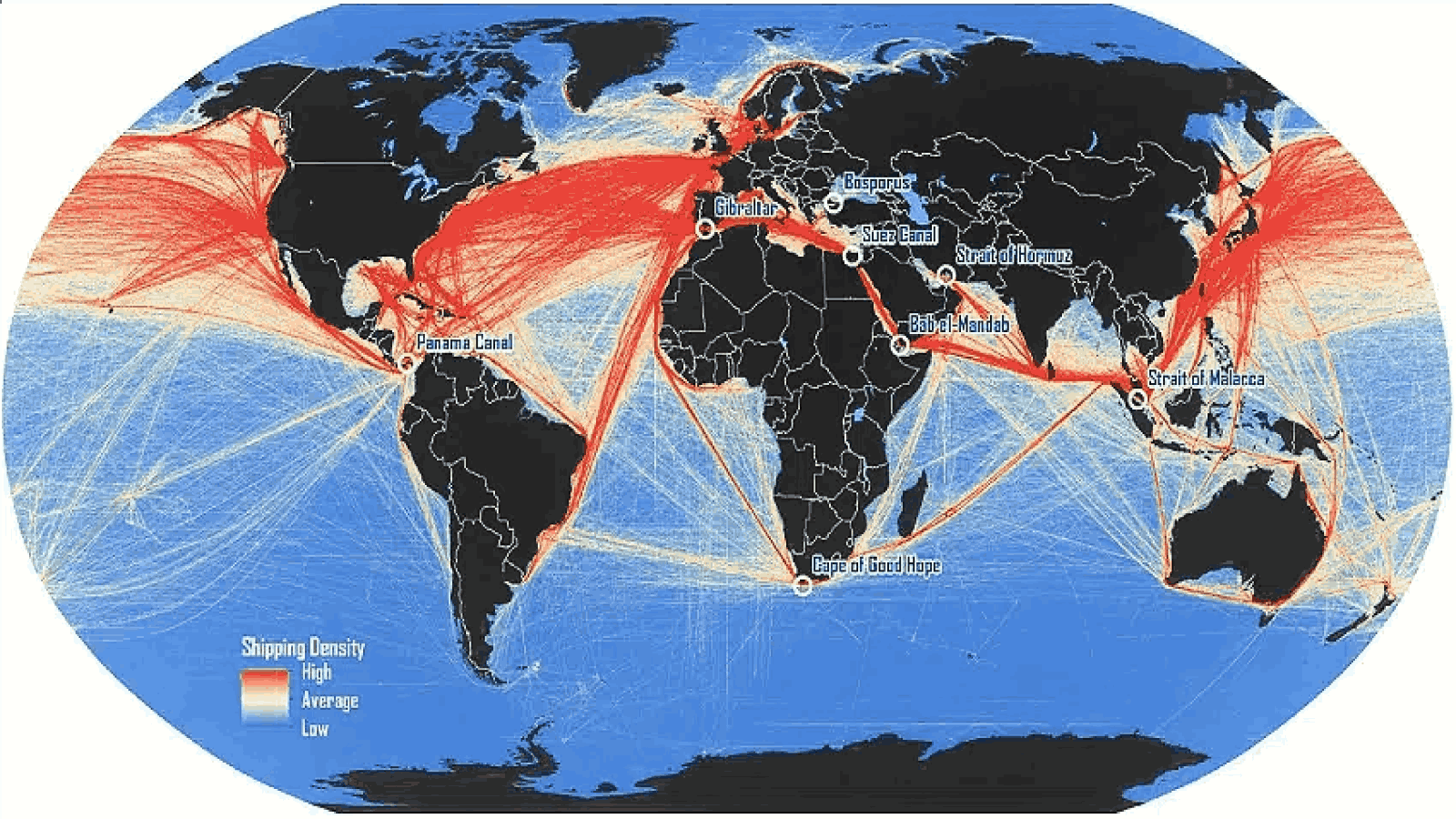
Modern life depends on systems most people never see:
- Shipping routes
- Energy flows
- Financial networks
- Digital infrastructure
These systems create stability.
But they also create dependency.
If one part of the system fails,
the impact spreads.
This is the hidden truth of globalization:
Convenience increases
But vulnerability increases with it

KI Analysis
From Konsmik Intelligence analysis:
Opportunities
Global interconnected systems enable faster trade, economic growth, and technological advancement. Strategic regions can become centers of development and innovation.
Risks
Overdependence on critical nodes increases systemic risk. Disruptions can cascade across multiple sectors simultaneously, amplifying impact beyond the origin point.
The system is efficient
But efficiency is not resilience
Konsmik Reality
From the lens of Konsmik Reality, this is a system exposure phase.
Short-Term (1–2 Years)
Increased awareness of vulnerabilities in trade routes, energy systems, and geopolitical hotspots.
Medium-Term (3–5 Years)
Efforts to diversify systems, reduce chokepoint dependency, and strengthen resilience.
Long-Term (5–10 Years)
A more distributed but more complex global system emerges, balancing efficiency with stability.
This is not collapse.
It is evolution under pressure.
Historical & Global Context
Every era has had its defining system:
- Empires built on land control
- Industrial power built on resources
- Information age built on data
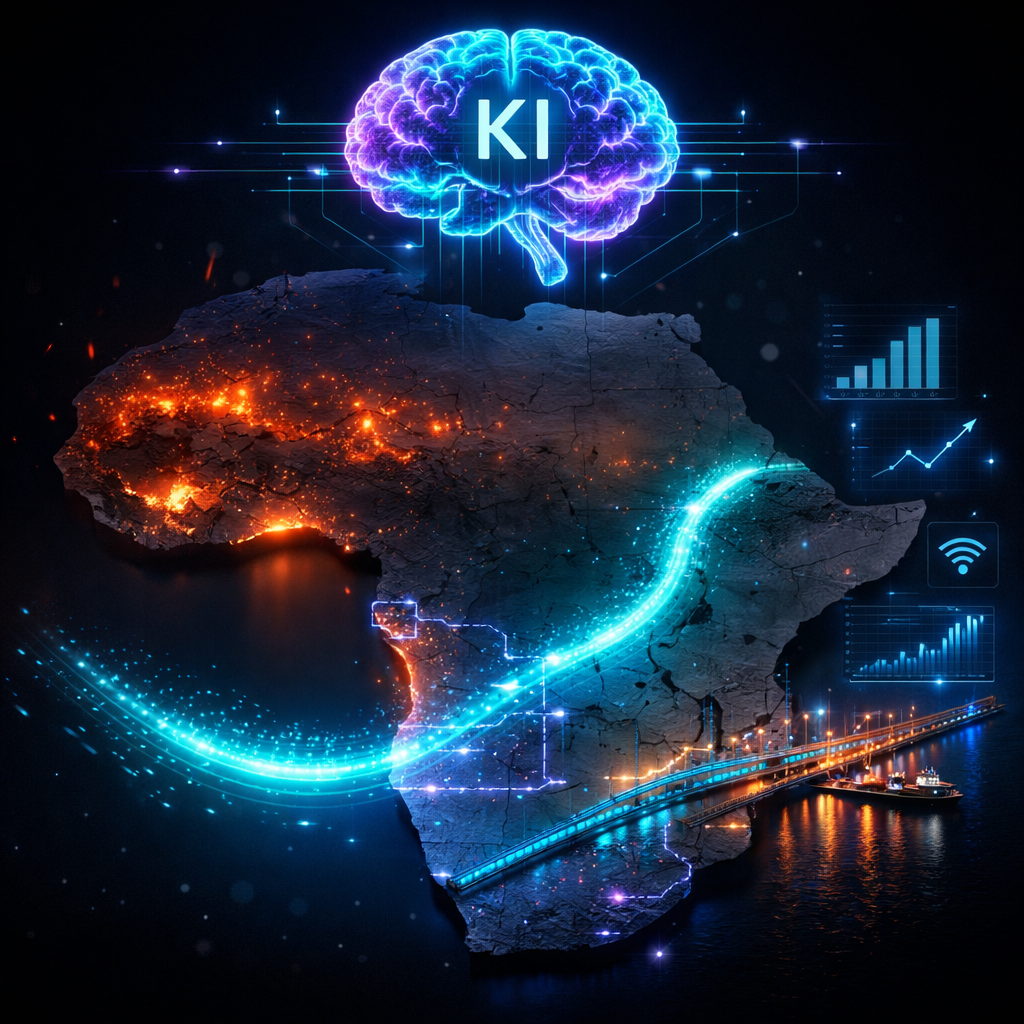
Now, we are entering an era defined by system connectivity.
And with that comes a new type of risk:
Not isolated failure
But system-wide impact
Waides Insight
The future will not be shaped only by powerful nations.
It will be shaped by critical points within global systems.
Djibouti is one of those points.
And what it reveals is simple:
The world is not becoming more stable
It is becoming more interconnected and sensitive to disruption
Reflection
- If global stability depends on fragile systems, what does true security look like?
- Are we building a stronger world—or a more connected one that is harder to protect?








Leave a Reply