

Waides Feed
The global shipping system is undergoing a silent but massive reroute.
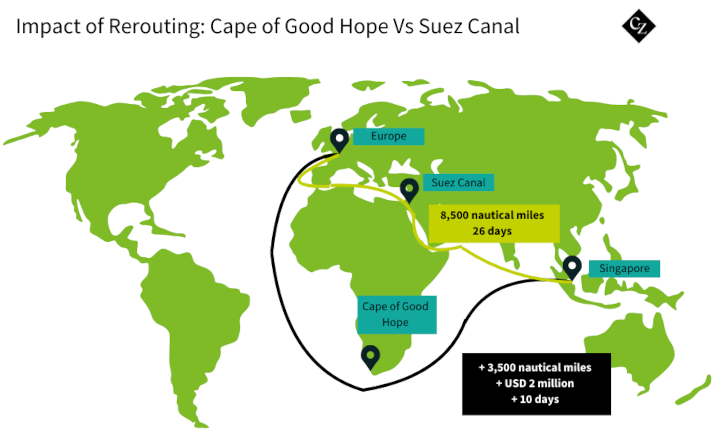
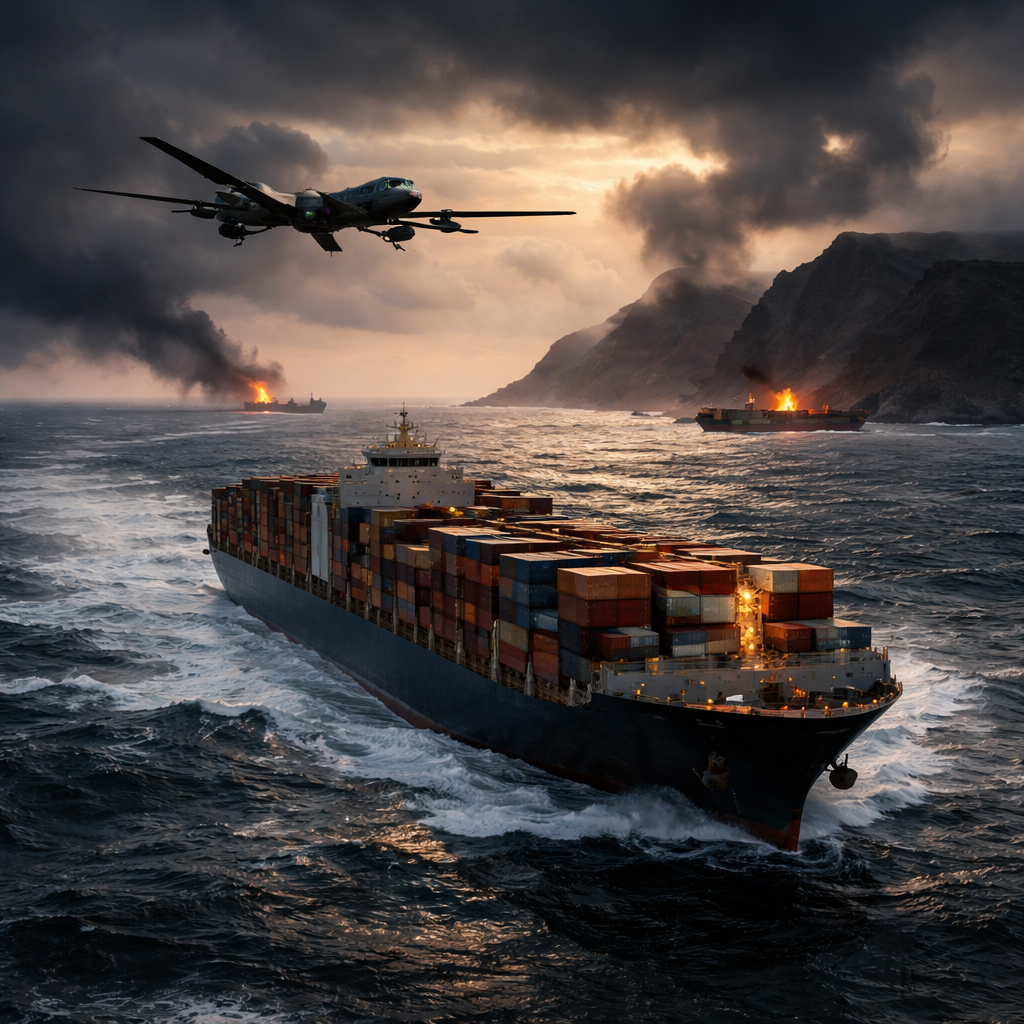
Following renewed attacks in the Red Sea, major shipping giants—including Maersk, Hapag-Lloyd, and CMA CGM—have officially diverted vessels away from the Red Sea corridor, choosing instead the much longer journey around Africa’s Cape of Good Hope.
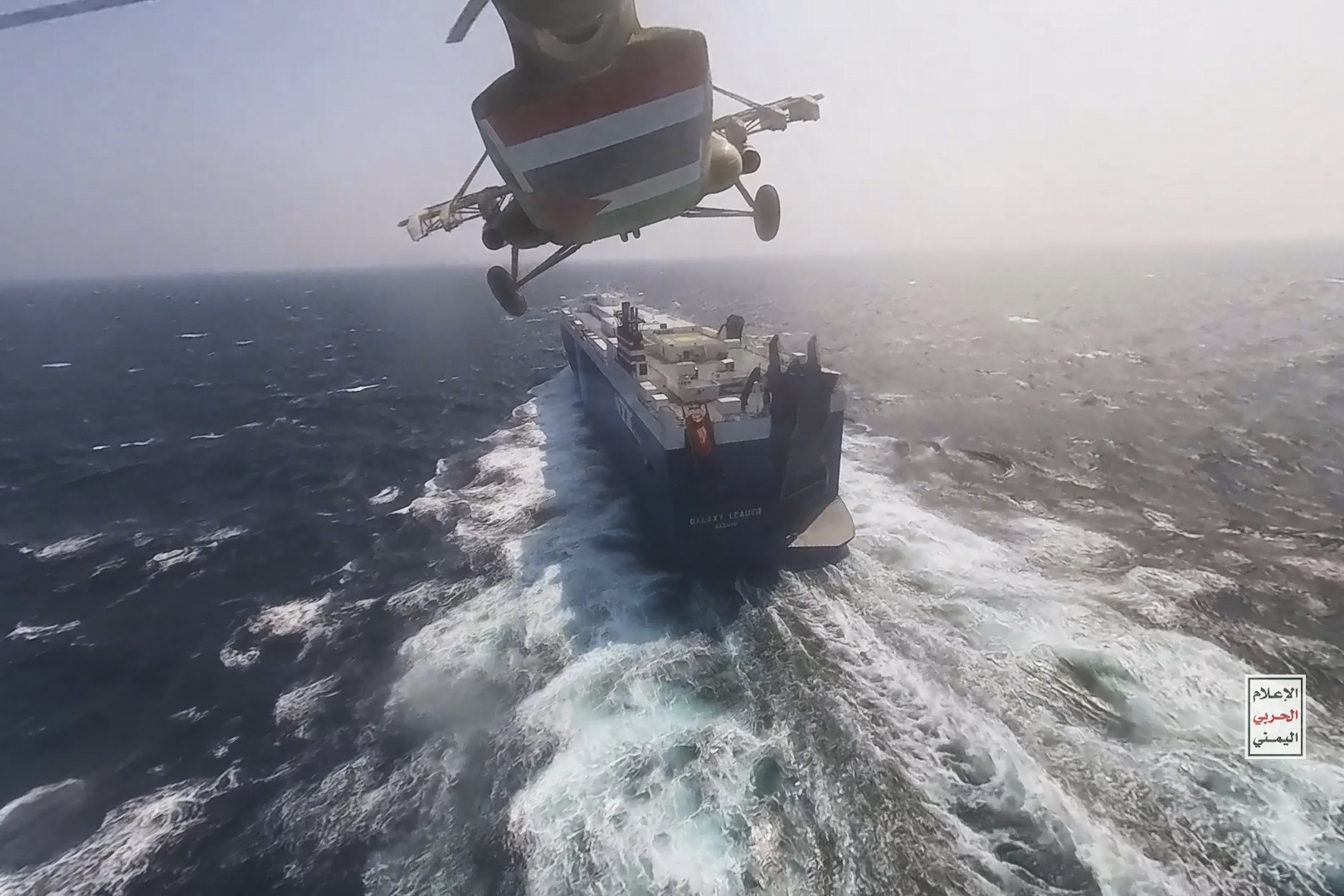
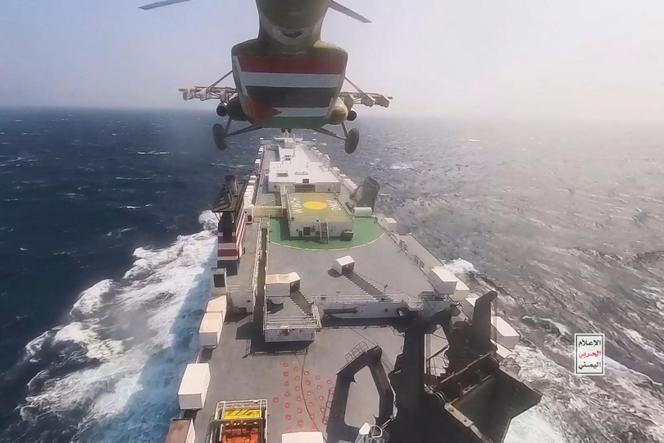
At the center of this disruption is the growing involvement of Yemen’s Houthi movement, which today claimed a missile strike linked to the broader Middle East conflict. This marks a critical expansion of the crisis—from a regional war into a multi-route global disruption.
What was once a temporary risk zone has now become a structural threat to global trade.
Why It Matters / Public Context

The Red Sea is one of the world’s most important trade corridors, linking Asia, Europe, and parts of Africa through the Suez Canal system.
Now, with ships avoiding this route:
- Transit times increase by 2–3 weeks
- Shipping costs surge due to fuel and insurance
- Delivery timelines for goods become unpredictable
This affects everything from:
Electronics and clothing → to food imports and industrial supplies.
For Africa and Global Systems
Africa is no longer just observing this shift—it is now part of the route.
With ships moving around the Cape of Good Hope:
- Southern African ports may see increased traffic
- West African economies could face delayed imports
- Regional logistics networks may experience both pressure and opportunity
Globally, this signals a deeper transformation:
Trade routes are no longer fixed—they are becoming dynamic under conflict pressure.
🧬 KI (Konsmik Intelligence) Insight
Opportunities:
- Growth in African maritime logistics hubs
- Increased investment in regional supply chain infrastructure
- Strategic importance of alternative shipping routes
Risks:
- Higher global shipping costs
- Supply chain delays across industries
- Increased insurance premiums and operational risk
From the Lens of Konsmik Reality
The sea has always been humanity’s circulatory system of trade.
But now, that system is under stress.
This is not just about ships avoiding danger, it is about the reprogramming of global movement.
When routes shift, power shifts.
When time delays increase, economies slow.
When uncertainty rises, systems begin to reorganize.
Forecast
Short Term (1–2 weeks):
- Continued rerouting around Africa
- Surge in freight and insurance costs
- Increased naval monitoring in key waters
Medium Term (1–3 months):
- Supply chain delays reflected in global markets
- Pressure on import-dependent economies
- Strategic repositioning of shipping companies
Long Term (3–12 months):
- Redesign of global shipping networks
- Rise of new trade corridors
- Increased militarization of key maritime routes
Waides Insight
The world is not running out of goods, it is running into delays.
And in a time-sensitive global economy,
time itself has become the new cost.
Reflection
Do you think global trade can adapt quickly to these disruptions,
or are we entering a period where delays become the new normal?










Leave a Reply