

Waides Feed
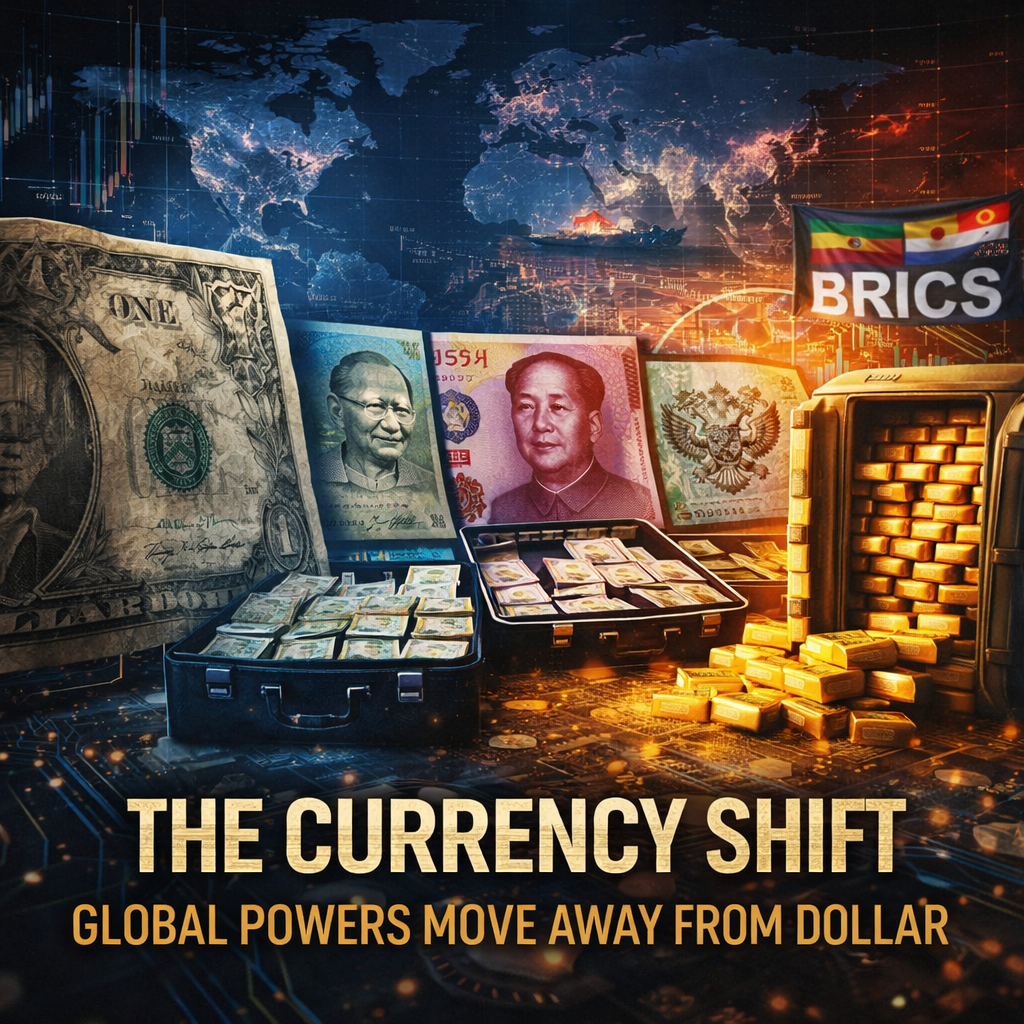
A quiet but powerful shift is unfolding beneath global markets.
The dominance of the US dollar is no longer being challenged loudly. It is being reduced gradually, strategically, and deliberately.
Across multiple regions, countries are beginning to settle trade in local currencies, accumulate gold reserves, and build alternative payment systems outside traditional Western frameworks. This is not rebellion. It is repositioning.
Nations aligned with blocs like BRICS are accelerating conversations around shared settlement systems. At the same time, countries such as China are expanding the global use of their currency through energy trade and bilateral agreements.
The system is not collapsing.
It is evolving away from a single center of gravity.

Why It Matters / Public Context
For decades, the US dollar has functioned as the backbone of global trade.
It has influenced:
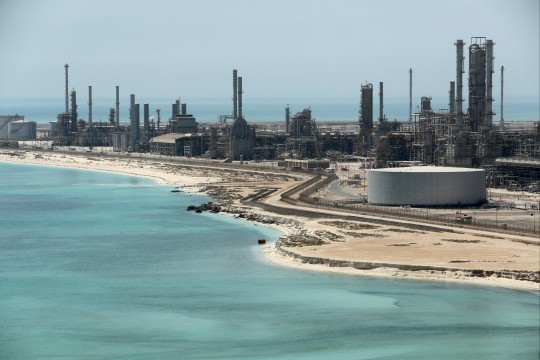
- Oil pricing
- International reserves
- Cross-border payments
Now, that influence is being distributed.
The shift is subtle but critical:
Countries are not abandoning the dollar overnight.
They are reducing dependency step by step.
This creates a new reality where global trade may operate through multiple parallel financial systems, rather than one dominant channel.

For Africa and Global Systems
For Africa, this shift opens a strategic window.
Many economies have historically been exposed to dollar fluctuations, affecting imports, inflation, and debt servicing. A diversified currency system could reduce vulnerability but also introduces new complexity.
The opportunity is clear:
- Regional trade can strengthen through local currency agreements
- Financial sovereignty can improve
- Dependence on external monetary cycles can reduce
But the risk is equally real:
Without strong financial coordination, fragmentation could lead to instability rather than independence.
Globally, this signals a deeper transformation:
The world is moving from a unipolar financial system to a multipolar currency landscape.
KI (Konsmik Intelligence) Insight
From a Konsmik Intelligence perspective, this is not just a currency shift. It is a power redistribution cycle.
1. Trust Rebalancing
Global trust is no longer concentrated in a single financial system.
2. Asset Diversification
Gold, commodities, and digital currencies are gaining strategic importance.
3. Payment Infrastructure Evolution
New cross-border systems are emerging to bypass traditional intermediaries.
Opportunity Signal:
Nations and businesses that adapt early to multi-currency operations will gain flexibility and resilience.
Risk Signal:
Currency fragmentation could lead to increased volatility, making global trade less predictable.
From the Lens of Konsmik Reality
Money has always been more than currency.
It is trust.
It is belief.
It is agreement between systems.
In the past, that agreement was centralized.
Now, it is becoming distributed across competing visions of value.

This is not just an economic shift.
It is a psychological transition in how the world defines stability.
Forecast
Short-Term (1–2 Years)
- Increased bilateral trade in non-dollar currencies
- Continued accumulation of gold by central banks
- Gradual expansion of alternative payment systems
Medium-Term (3–5 Years)
- Emergence of regional currency blocs
- Reduced share of global reserves held in dollars
- Rise of hybrid financial systems combining fiat and digital assets
Long-Term (5–10 Years)
- Fully multipolar global currency system
- Reduced dominance of any single reserve currency
- New financial alliances shaping global economic power
Waides Insight
The world is not rejecting the dollar.
It is preparing for a future where no single currency defines global power.
Because in the next phase of the global system,
control will not come from owning money,
but from shaping the systems through which money flows.
Reflection
- If trust shifts away from a single currency, what becomes the new anchor of global stability?
- Are we witnessing financial evolution or the fragmentation of the global economy?











Leave a Reply