

Waides Feed
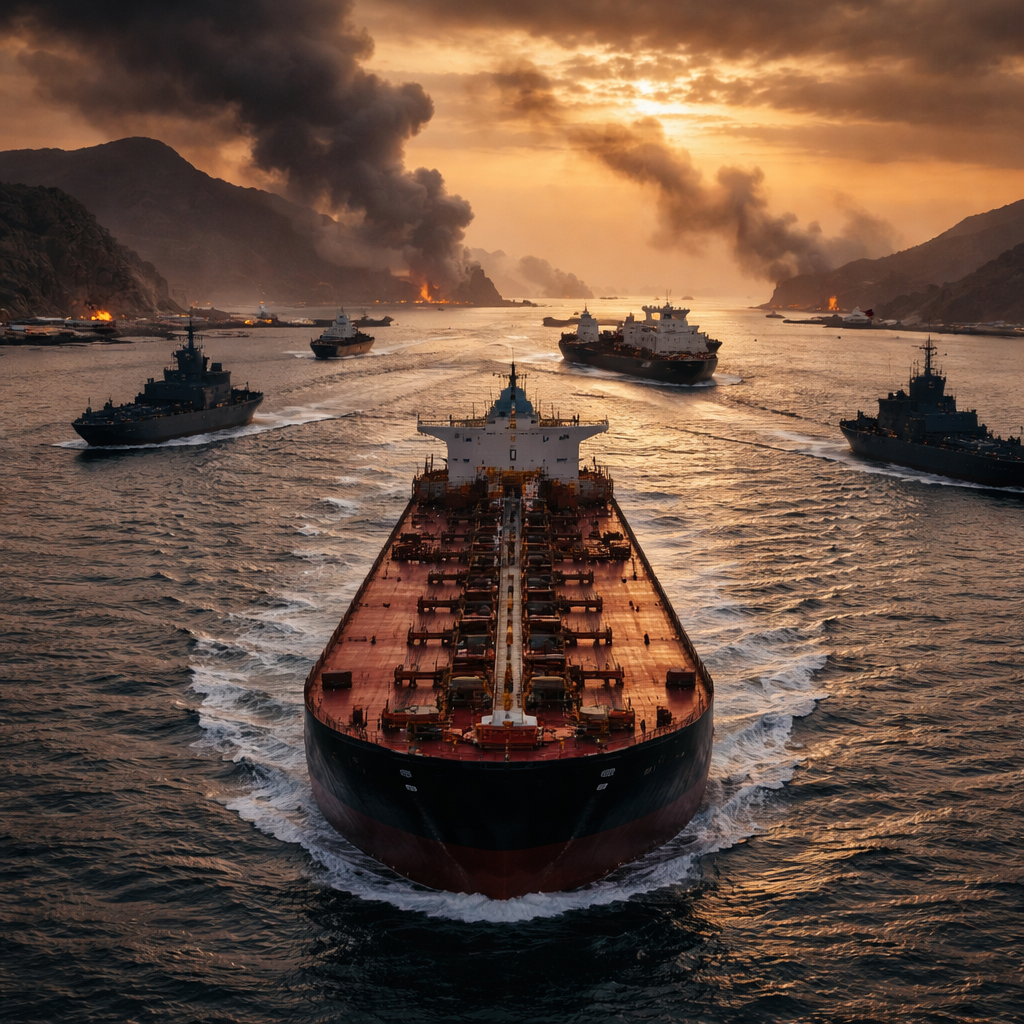
The world’s most critical energy artery—the Strait of Hormuz—is no longer functioning as normal. In the last 24 hours, transit through this narrow passage has collapsed by over 60%, following an official declaration by Iran’s IRGC restricting vessels tied to the U.S., Israel, and their allies.
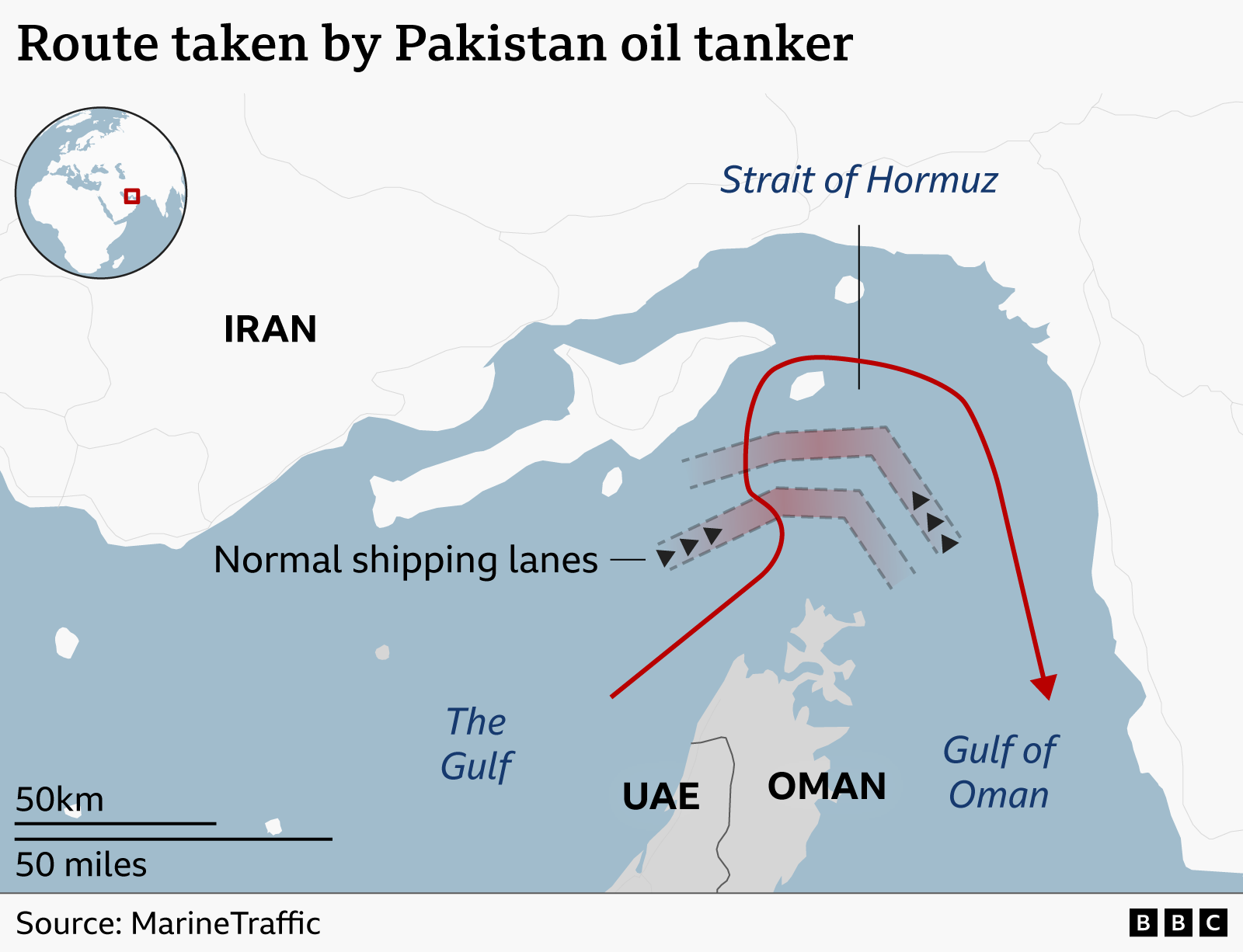
This is not just a regional disruption—it is a global system shock. Nearly one-fifth of the world’s oil supply flows through this corridor. Now, that flow is tightening, and the ripple effects are already visible across energy markets, logistics chains, and geopolitical alignments.
Oil prices have surged into the $110–$126 per barrel range, signaling a return to volatility levels typically seen during major wars or systemic disruptions. Meanwhile, key producers like Qatar and Kuwait have begun invoking force majeure, indicating they can no longer guarantee supply deliveries.
Why It Matters / Public Context
The closure of a chokepoint like Hormuz doesn’t just affect oil—it affects everything connected to energy:
- Transport costs rise
- Food prices begin to adjust
- Manufacturing slows down
- Inflation pressures return globally
For everyday people, this may soon translate into:
Higher fuel prices, increased cost of goods, and tighter economic conditions.
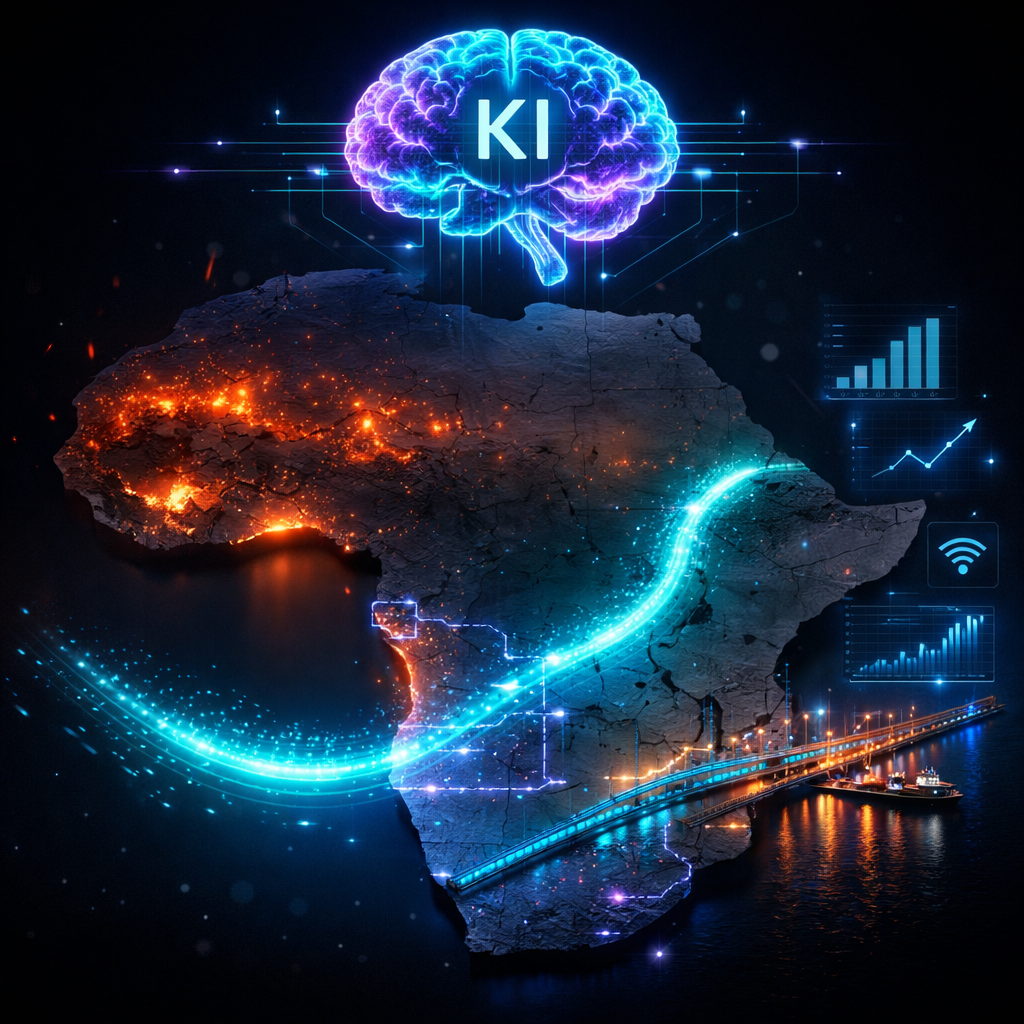
For Africa and Global Systems
- Increased fuel import costs
- Pressure on currency stability
- Rising transport and food inflation
Globally, this signals something deeper:
The world is still highly dependent on fragile geographic chokepoints—and when they break, the entire system feels it.
🧬 KI (Konsmik Intelligence) Insight
Opportunities:
- Acceleration of alternative energy investments
- Increased focus on regional energy independence
- Strategic advantage for countries with domestic refining capacity
Risks:
- Global inflation resurgence
- Supply chain disruptions across multiple industries
- Escalation into a broader regional or global conflict
From the Lens of Konsmik Reality
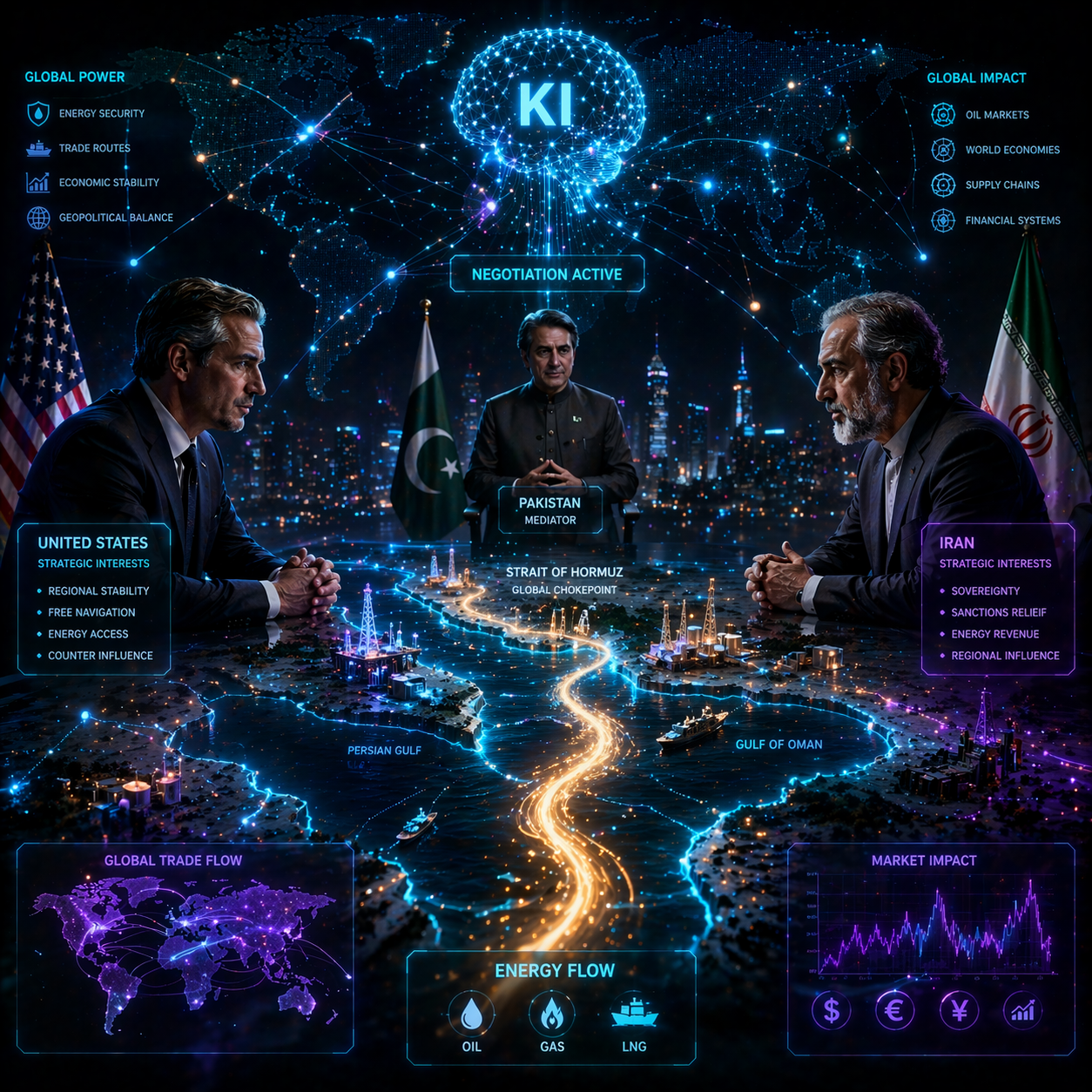
This is not just about oil.
It is about control of flow.
Throughout history, power has always belonged to those who control:
- Trade routes
- Energy sources
- Movement of resources
The Strait of Hormuz is not just water—it is a pressure point of civilization.
And today, that pressure is rising.
Forecast
Short Term (1–2 weeks):
- Continued volatility in oil prices
- Shipping hesitation and rerouting
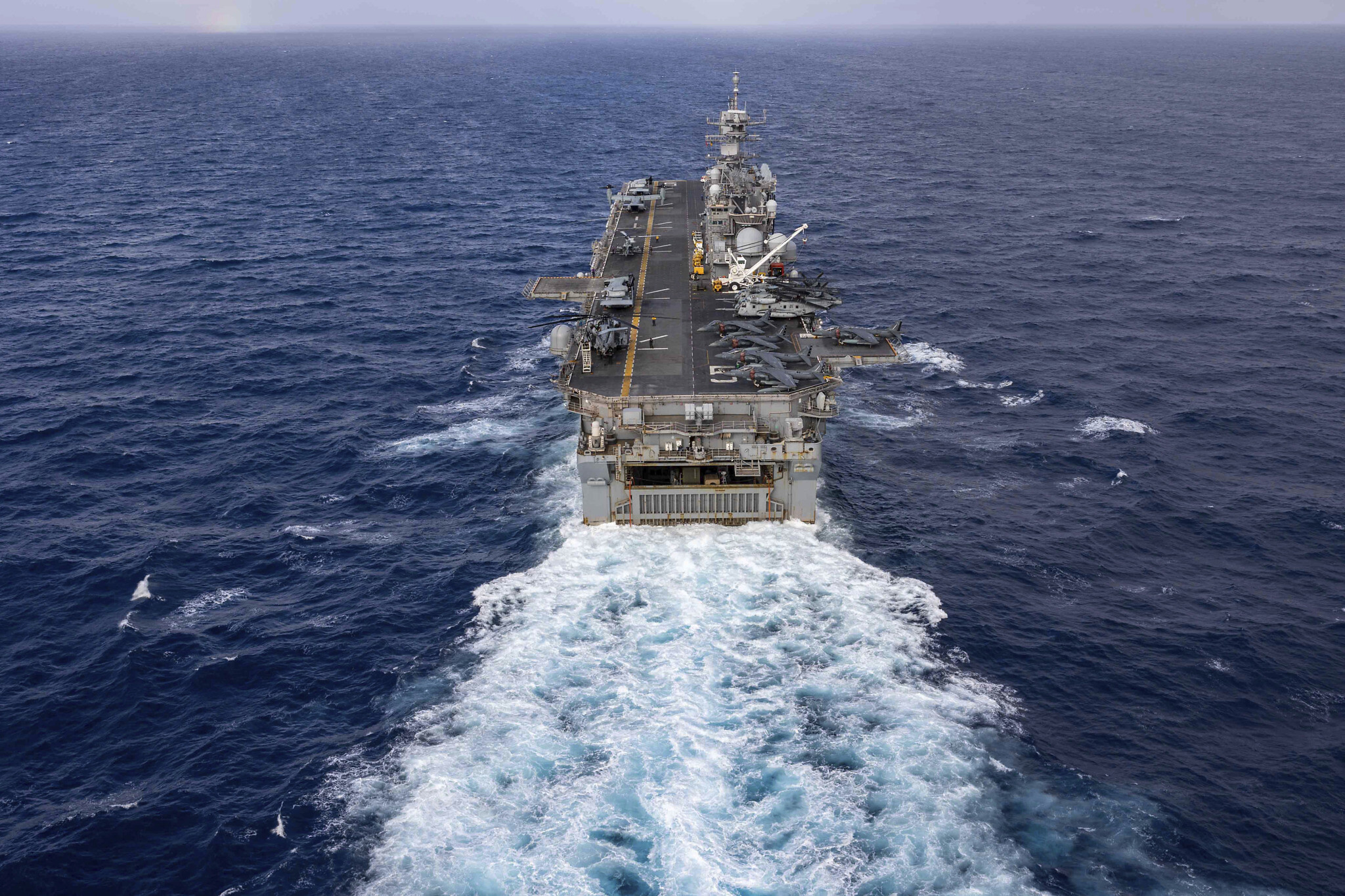
- Increased military presence in the Gulf
Medium Term (1–3 months):
- Inflation begins to reflect in global markets
- Strategic reserves may be released
- Diplomatic tensions intensify
Long Term (3–12 months):
- Shift toward energy diversification
- Redesign of global supply chain routes
- Possible emergence of new geopolitical alliances
Waides Insight
When a chokepoint closes, the world doesn’t stop, it recalibrates.
The question is no longer whether this will affect the global system.
The question is how deep the ripple will go and who is prepared for it.
Reflection
Do you think the world is too dependent on a few critical routes like the Strait of Hormuz?
Or is this the beginning of a new global energy reset?







Leave a Reply