

Waides Feed
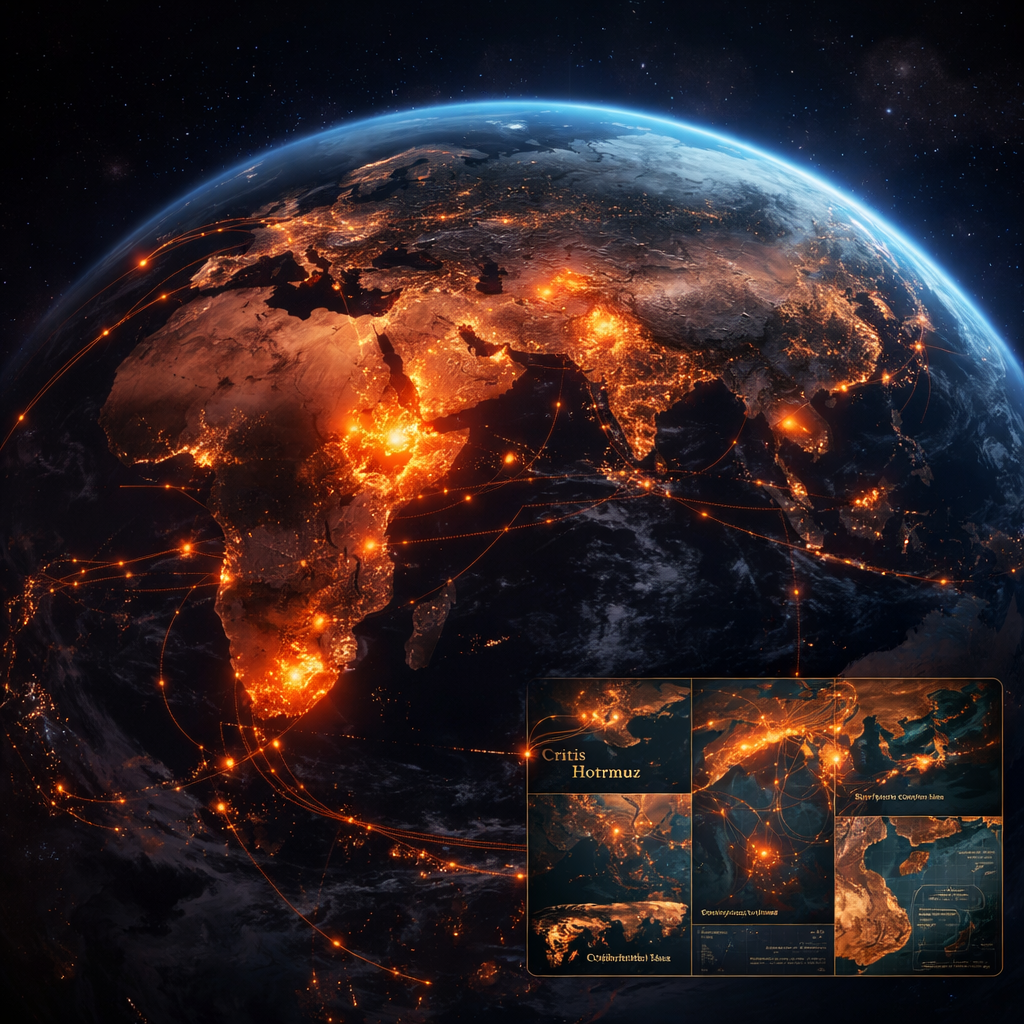
At first glance, these events seem separate:

- The disruption at the Strait of Hormuz
- Shipping reroutes around Africa
- Rising oil prices
- The humanitarian crisis in Sudan
- Regional instability in South Sudan
- Maritime tensions in the South China Sea
But when viewed together, a deeper picture emerges:
These are not isolated events.
They are connected stress points within one global system.
Why It Matters / Public Context
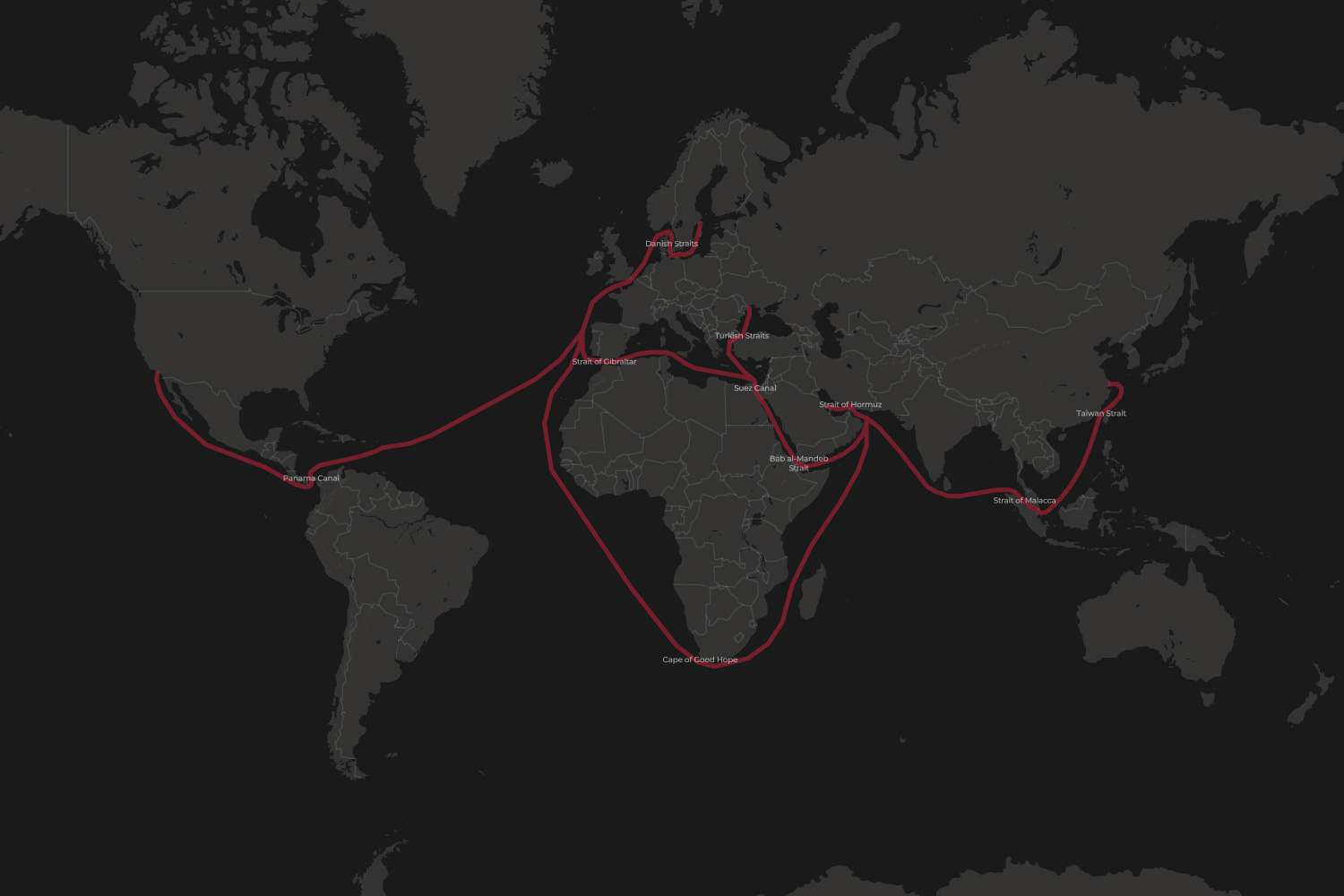
The modern world operates as an interconnected network:
- Energy flows power economies
- Shipping routes move goods
- Regions depend on each other for stability
When multiple parts of this system experience pressure at the same time:
The entire structure becomes more fragile.

For Africa and Global Systems
For Africa, this interconnected pressure means:
- External shocks (energy, trade) combine with internal challenges (conflict, displacement)
- Economic stability becomes harder to maintain
- Regional resilience becomes more important than ever
Globally, this signals a shift:
We are moving from single crises → to multi-layered systemic stress
🧬 KI (Konsmik Intelligence) Insight
Opportunities:
- Rethinking global systems for resilience and decentralization
- Investment in regional self-sufficiency
- Strengthening of cross-border cooperation frameworks
Risks:
- Systemic instability across multiple sectors
- Overlapping crises amplifying each other
- Reduced ability for global systems to respond effectively
From the Lens of Konsmik Reality
The world is not breaking in one place.
It is experiencing:
simultaneous pressure across multiple nodes
Like a network under strain,
the more points that are stressed at once,
the higher the risk of system-wide disruption.
Forecast
Short Term (1–2 weeks):
- Continued volatility across energy and trade
- Heightened awareness of global instability
Medium Term (1–3 months):
- Compounding effects of multiple crises
- Increased pressure on governments and institutions
Long Term (3–12 months):
- Structural changes in global systems
- Shift toward resilience-focused strategies
Waides Insight
The real story is not any single crisis, but how they are all connected.
Understanding this connection is what transforms information into intelligence.
Reflection
Are we witnessing isolated disruptions
or the early signs of a global system under coordinated pressure?




Leave a Reply