

Waides Feed
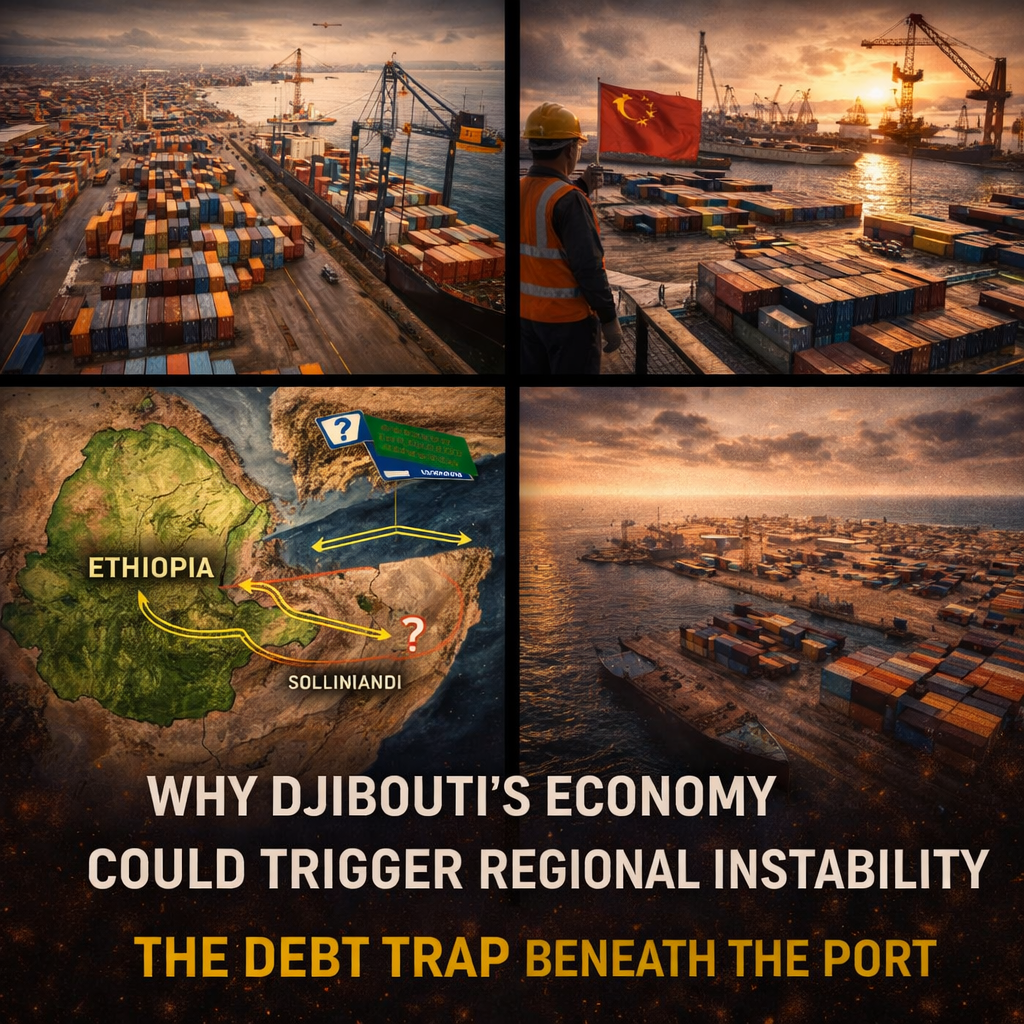
Beneath Djibouti’s strategic importance lies a quieter, more dangerous reality.
Its economy is heavily dependent on one thing
Being the primary port gateway for Ethiopia.
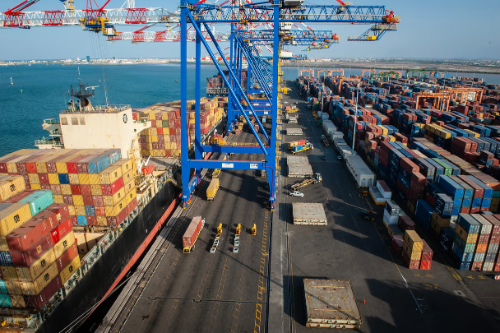
A significant portion of Djibouti’s national revenue comes from Ethiopian trade passing through its ports. This creates a fragile structure where national stability is tied directly to external dependency.
At the same time, Djibouti carries billions in external debt, much of it linked to infrastructure financing from China.
This creates a dangerous equation:
High dependency
High debt
High geopolitical exposure
Patterns & Connections
This is part of a broader global pattern:
Strategic locations attract heavy investment
Investment creates debt
Debt creates dependency
Djibouti sits at the intersection of all three.
But a new shift is emerging:
Ethiopia is actively exploring alternative port access through Somaliland and Kenya.
If even a portion of that trade is diverted, Djibouti’s economic model begins to weaken.
Why It Matters for Humanity
Economic instability in strategic regions does not stay contained.
If Djibouti faces revenue pressure:
- Government stability can weaken
- Public dissatisfaction can increase
- External influence can deepen
This creates a feedback loop:
Economic pressure → Political tension → Strategic vulnerability
And when this happens at a global chokepoint,
the consequences extend far beyond borders.
KI Analysis
From Konsmik Intelligence analysis:
Opportunities
Diversification of trade routes can reduce overdependence on single hubs, creating a more balanced regional economy. Emerging ports in East Africa may benefit from redistributed trade flows.
Risks
A sharp decline in Djibouti’s port revenue could trigger debt stress, increase foreign influence, and create internal instability. This may escalate into regional tension given its strategic importance.
Economic fragility at a strategic node
is a multiplier of risk.

Konsmik Reality
From the lens of Konsmik Reality, this is a dependency stress phase.
Short-Term (1–2 Years)
Initial signs of trade diversification and revenue fluctuation begin to appear.
Medium-Term (3–5 Years)
Djibouti faces increasing pressure to restructure its economic model while managing external debt obligations.
Long-Term (5–10 Years)
Strategic ports across Africa compete for dominance, reducing reliance on single chokepoints but increasing regional competition.
This is not just an economic story.
It is a stability equation under pressure.
Historical & Global Context
History shows that economic dependency often precedes political instability.
From resource-dependent economies to single-export nations, systems built on narrow foundations are vulnerable to external shifts.
Djibouti represents a modern version of this pattern
but amplified by its geopolitical position.

Waides Insight
The greatest risks are not always visible on the surface.
They are built quietly into systems over time.
Djibouti’s power comes from its position
But its vulnerability comes from its dependence.
And when those two collide,
pressure becomes inevitable.
Reflection
- Can a nation remain stable when its economy depends on external flows it cannot control?
- Are we witnessing economic growth—or a fragile system waiting for disruption?










Leave a Reply