

Waides Feed
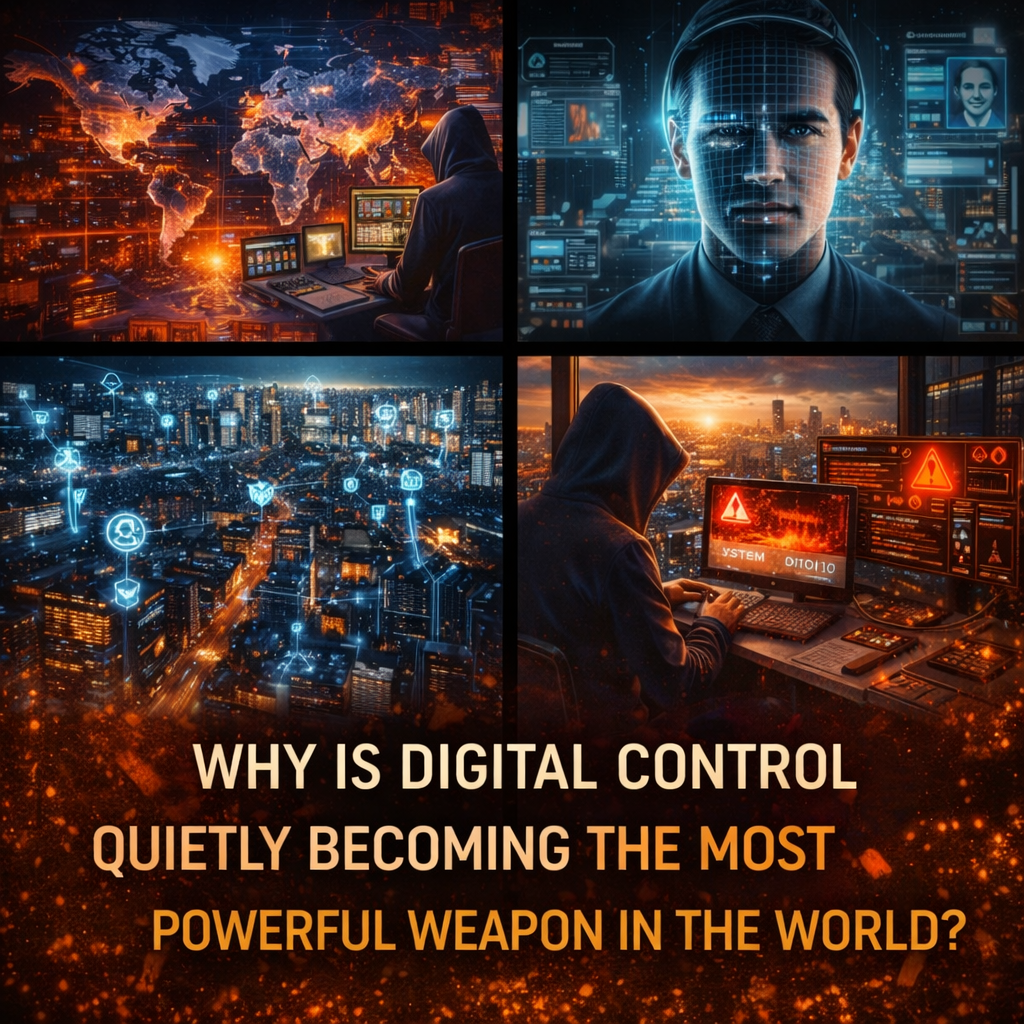
Power is no longer only physical.
It is becoming digital, invisible, and deeply embedded inside the systems that run everyday life.
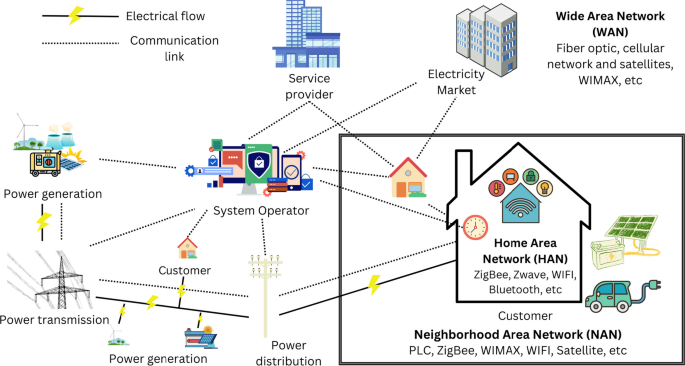
Across the world, governments and institutions are expanding control over digital infrastructure—identity systems, financial networks, communication platforms, and data flows. What used to be separate systems are now merging into one connected layer of control.
This is not just about technology advancement.
It is about who controls the systems that people depend on to live, work, and participate in society.

From digital IDs to surveillance networks and cyber capabilities, nations are no longer preparing only for physical conflict. They are building the ability to influence, monitor, and even disrupt systems remotely.
This is the rise of digital power as a strategic weapon.
WHY IT MATTERS / PUBLIC CONTEXT
The Silver Platter:
The future of power is shifting from controlling land to controlling systems—and those systems are now digital.
Whoever controls digital infrastructure can influence economies, identities, and daily life without physical force.
Think about how much of life is now digital:
- Banking
- Communication
- Work
- Identity verification
Now imagine if access to any of these systems could be:
- Controlled
- Restricted
- Monitored
This is where digital control becomes real.
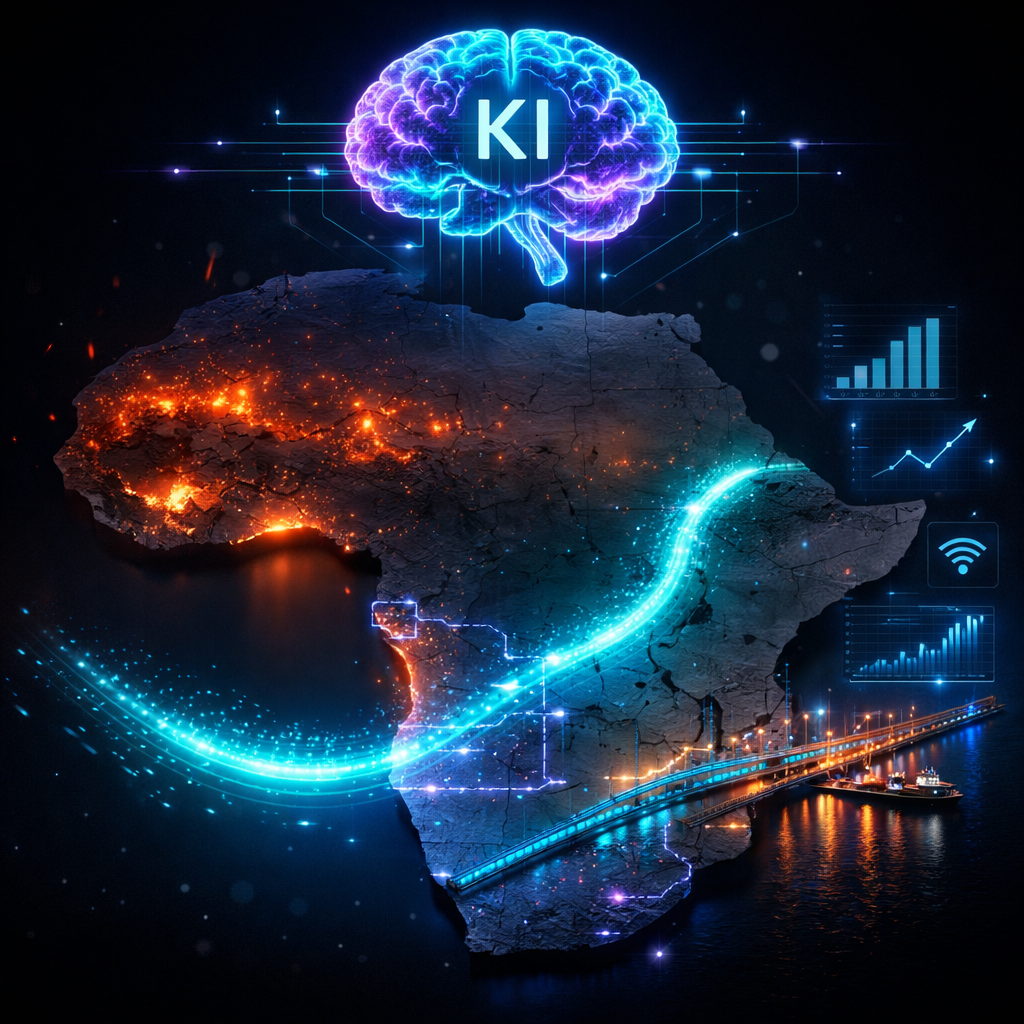
For Africa, this presents a critical moment.
As digital adoption accelerates across the continent—mobile banking, fintech, digital identity—there is an opportunity to leap forward. But there is also a risk:
If systems are built without sovereignty and security, control can exist without visibility.
Globally, the shift is clear:
Control is no longer just about borders.
It is about networks.

HISTORICALLY…
Power has always evolved with technology.
- Empires controlled land
- Industrial powers controlled resources
- Modern states controlled information
Now, we are entering a new phase:
Control of systems themselves
This mirrors the early internet era.
At first, the internet was seen as freedom.
Then it became infrastructure.
Now, it is becoming control architecture
Every system that becomes essential
eventually becomes strategic
KI ANALYSIS (The Intelligence Core)
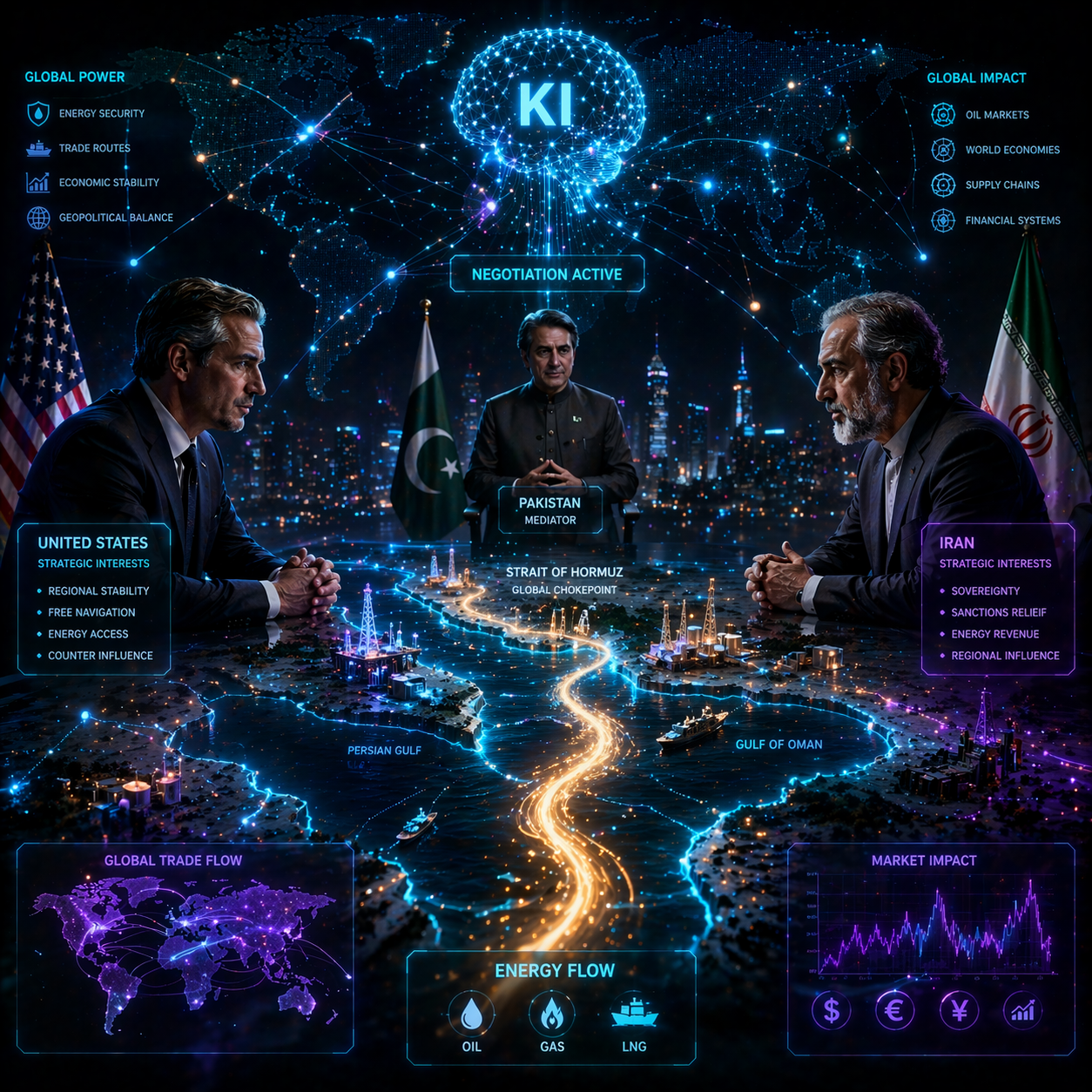
According to KI analysis, the world is entering a digital control consolidation phase, driven by three major forces:
1. Infrastructure Dependency
Societies are becoming fully dependent on digital systems for essential functions.
2. Data Centralization
Data is being collected, stored, and analyzed at unprecedented scale, creating powerful intelligence capabilities.
3. Cyber Capability Expansion
Nations are developing offensive and defensive cyber tools capable of disrupting systems across borders.
Strategic Gains vs Systemic Risks
Opportunities
- Improved efficiency in governance and service delivery
- Enhanced security through digital monitoring
- Faster economic participation through digital platforms
- Expansion of digital identity enabling inclusion
Risks
- Surveillance overreach and loss of privacy
- System control leading to restriction of access
- Cyber attacks targeting critical infrastructure
- Concentration of power in a few controlling entities
The key insight:
Control is no longer visible
But it is becoming more powerful
KONSMIK REALITY (The Visionary Narrative)
From the lens of Konsmik Reality, humanity is entering a phase where reality itself is mediated through systems.
In the short term, digital systems feel like convenience.
Faster payments
Easier communication
Seamless access
In the medium term, control begins to surface.
Access becomes conditional
Data becomes influence
Systems become gatekeepers
In the long term, beyond 2030, a new structure emerges.
The world is no longer defined only by physical presence.
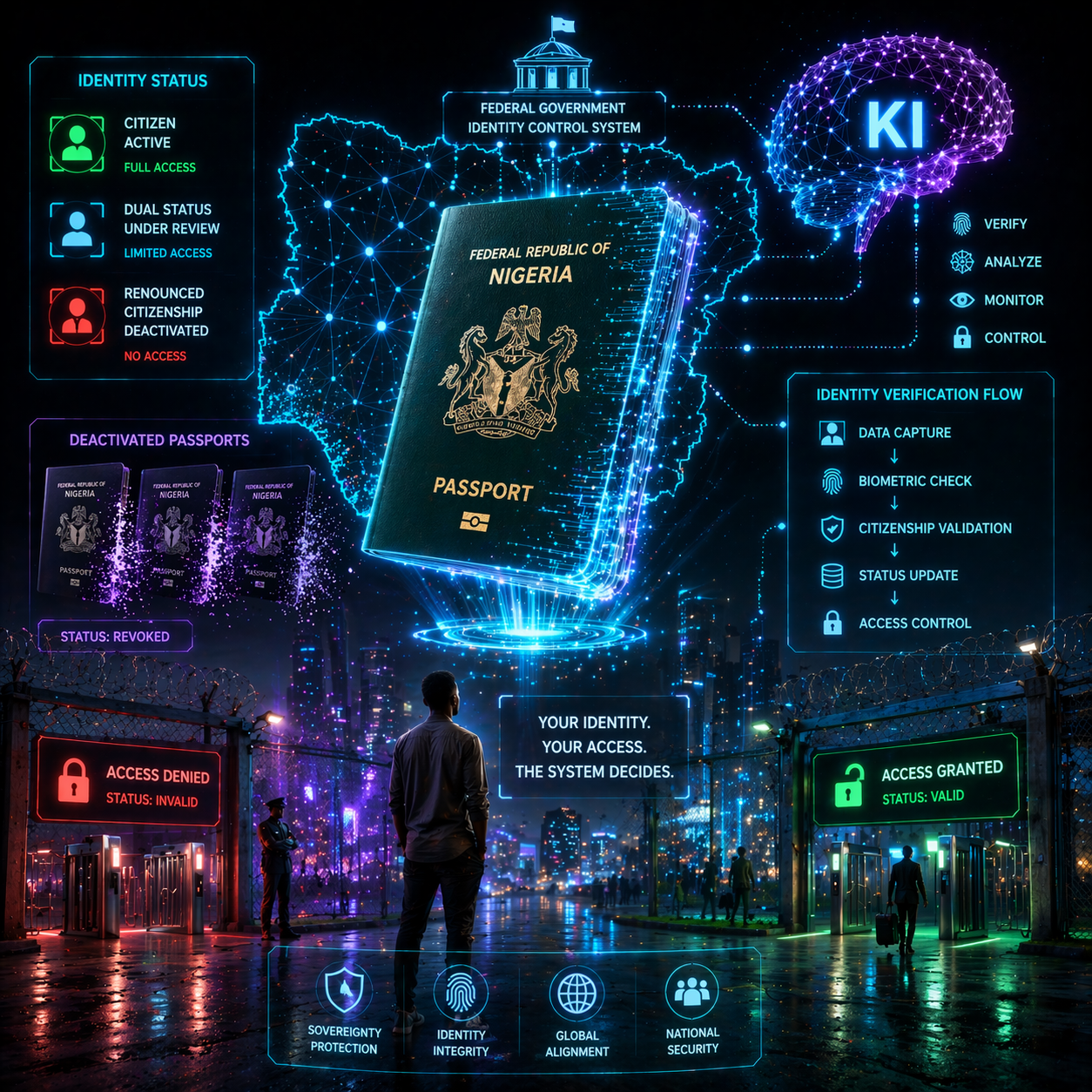
It is defined by digital existence
Your identity
Your access
Your participation
All connected to systems you may not fully control
This is the shift:
From living in systems
To being defined by them
REFLECTION QUESTION
- If control shifts from land to digital systems, what does freedom truly mean?
- Are we building tools for convenience—or systems that will eventually control us?








Leave a Reply