

Waides Feed
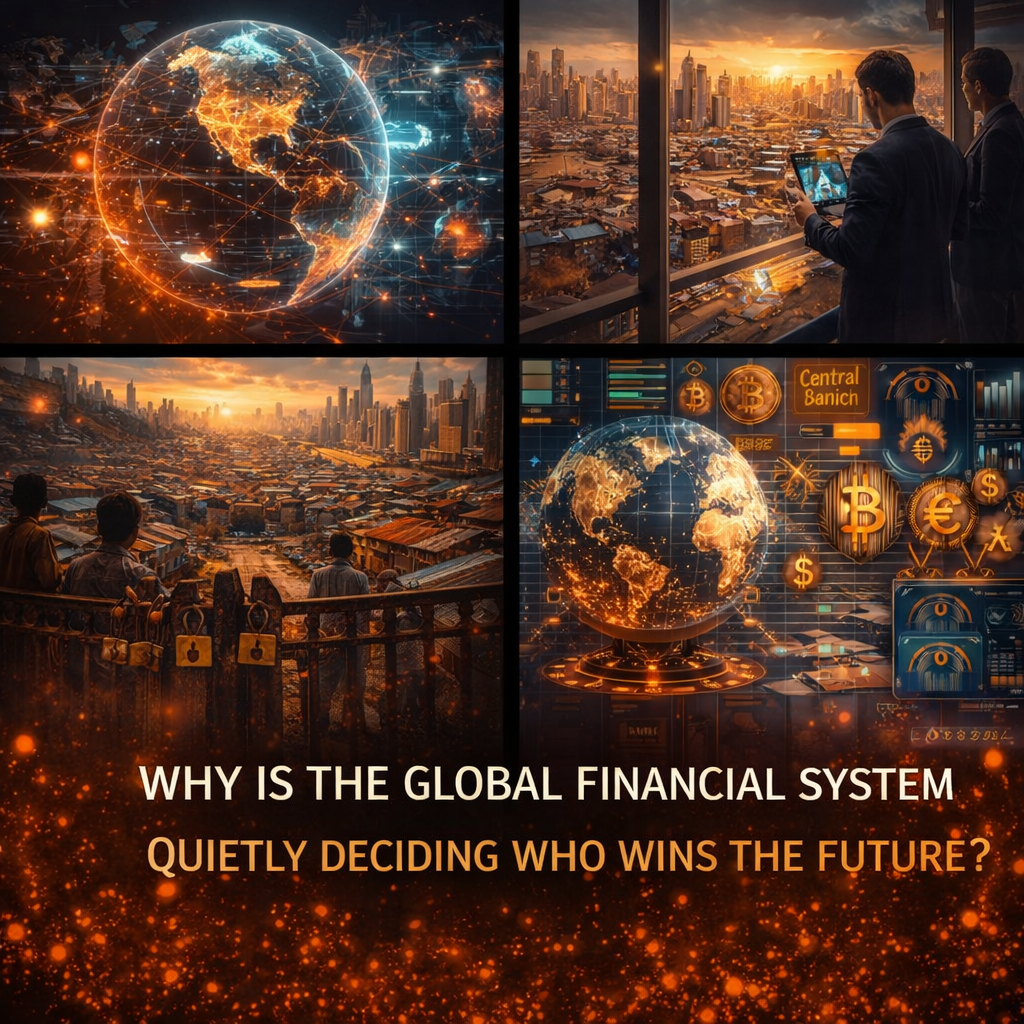
The global financial system is not collapsing. It is being rewritten quietly, structurally, and strategically.
Across markets, regulations, and digital platforms, a new financial architecture is forming—one that is less visible but far more powerful than previous systems. Capital is moving faster, systems are becoming more interconnected, and access is becoming the defining advantage.
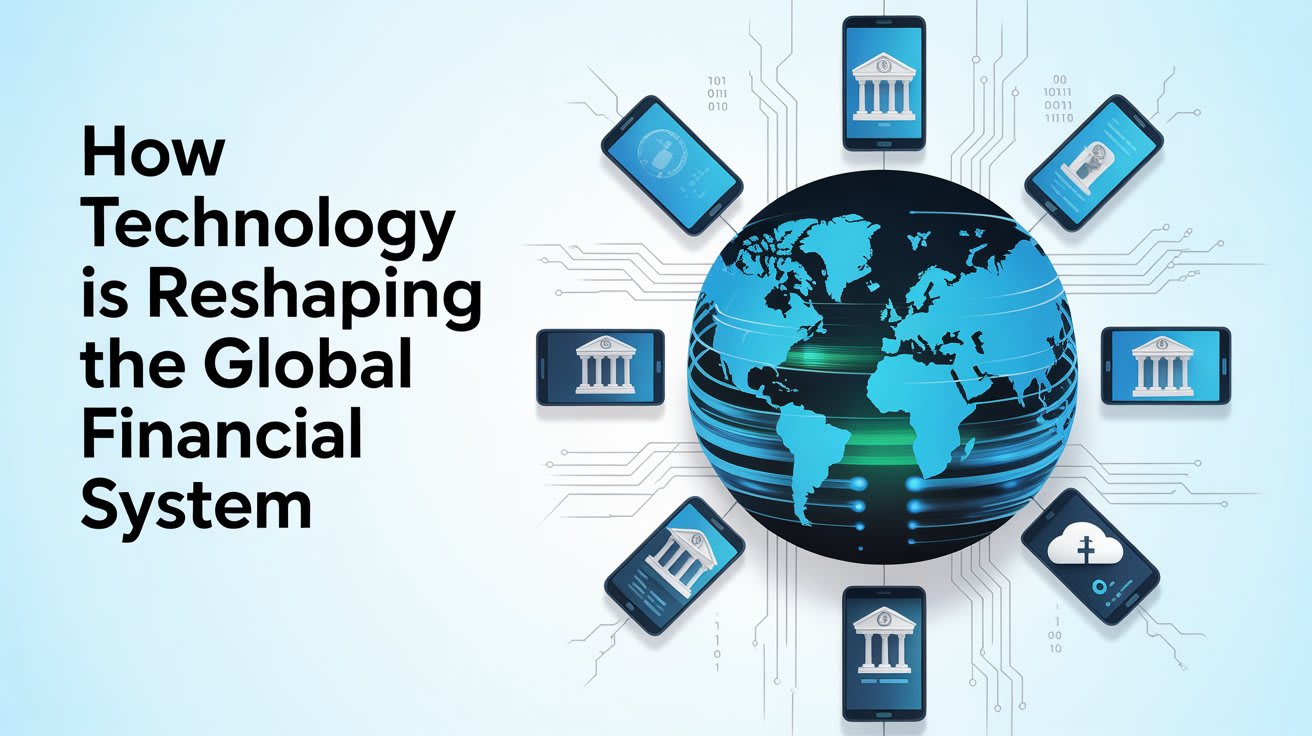
This is not just about money anymore. It is about who is inside the system that moves money.
From the UK’s regulatory flexibility to the rise of tokenized assets and the expansion of digital finance, we are witnessing the merging of traditional and emerging financial systems into a hybrid structure.
This structure does not treat all participants equally.
It rewards speed, access, and positioning.
And for the first time, the divide is not just between rich and poor.
It is between connected and disconnected.
WHY IT MATTERS / PUBLIC CONTEXT
The Silver Platter:
The future of wealth is no longer determined by how much money you have, but by how well you are connected to the systems that move it.
Those integrated into fast-moving financial networks will accelerate, while others risk being structurally left behind.
Think of the global system like a network of highways.
Some people are on high-speed express lanes.
Others are on slower roads.
Both are moving—but not at the same speed.
For everyday people, this shows up clearly:
- Rising cost of living despite working harder
- Unequal access to investment opportunities
- Digital platforms creating new wealth for some while excluding others
This is not accidental.
It is the result of a system evolving faster than participation can expand.
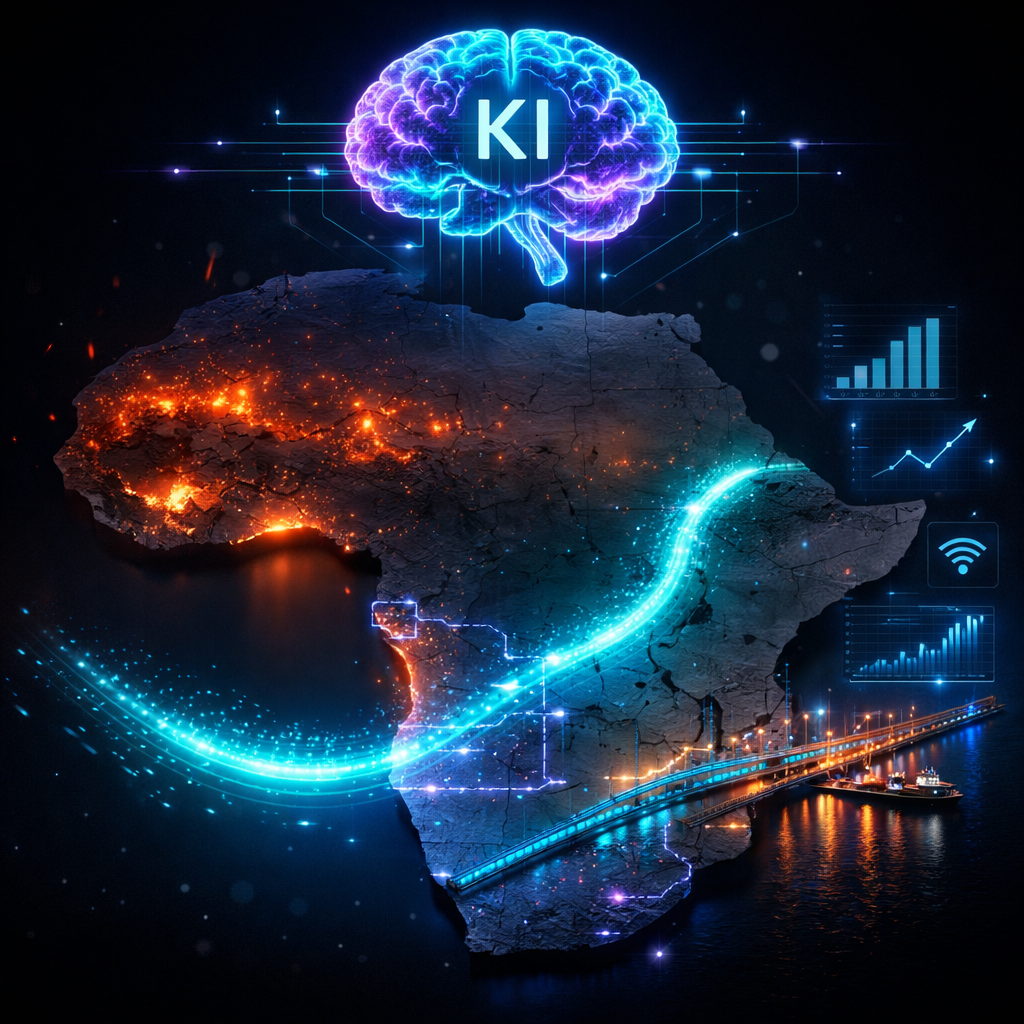
For Africa, this is both a warning and an opportunity.
Regions that integrate early into digital finance, mobile banking, and decentralized systems can leap forward. Those that delay risk falling further behind in a system that does not wait.
HISTORICALLY…
Every financial transformation has created a shift in power before balance is restored.

When the world moved from gold to fiat currency, control shifted to central banks.
When global banking expanded, those within financial networks gained economic advantage.
When the internet emerged, digital access defined opportunity.
What we are witnessing now is similar to the early internet era.
At first, access was limited.
Then it became widespread.
But those who entered early gained the most.
The same pattern is repeating.
But this time, it is not information being distributed.
It is value itself.

KI ANALYSIS (The Intelligence Core)
According to KI analysis, the global financial system is entering a multi-dimensional transformation phase, driven by three core forces:
1. Liquidity Acceleration
Capital now moves across borders, assets, and systems at unprecedented speed due to digital infrastructure and regulatory evolution.
2. Financial System Fragmentation
The dominance of a single financial structure is giving way to multiple coexisting systems:
- Traditional banking
- Crypto and decentralized finance
- Regional and alternative currency systems
3. Access Stratification
Participation in these systems is uneven, creating layers of inclusion and exclusion.
Strategic Gains vs Systemic Risks
Opportunities
- Faster capital access and global investment participation
- Growth acceleration in emerging markets, especially across Africa
- Expansion of financial inclusion through mobile and digital platforms
- Creation of new asset classes such as tokenized real-world assets
Risks
- Increased volatility due to rapid capital inflows and outflows
- Structural exclusion of populations without digital or financial access
- Fragmentation of global financial systems leading to instability
- Rising inequality between system participants and non-participants
The key insight is clear:
The system is not breaking.
It is becoming faster than adaptation itself.

KONSMIK REALITY (The Visionary Narrative)
From the lens of Konsmik Reality, money is no longer static.
It is becoming fluid, dynamic, and constantly in motion.
In the short term, the system appears exciting.
New platforms emerge.
New opportunities appear.
New wealth is created.
In the medium term, patterns begin to separate.
Some regions, especially in Africa and Asia, begin to rise—not because they are richer, but because they are more connected to evolving systems.
Others struggle—not because they lack potential, but because they are not integrated into the flow.
In the long term, beyond 2030, the system transforms completely.
Money is no longer something you hold.
It becomes something you move within.
Your position in that movement defines your opportunity.
Not your location.
Not your background.
But your connection to the system itself.
This is the deeper shift:
From owning money
To participating in financial flow
REFLECTION QUESTION
- If access to financial systems defines opportunity, who controls that access?
- Are we building a future of inclusion or a system that quietly decides who gets left behind?
.








Leave a Reply