

Waides Feed
The most powerful system in the world is not money.
It is not even surveillance.
It is identity.
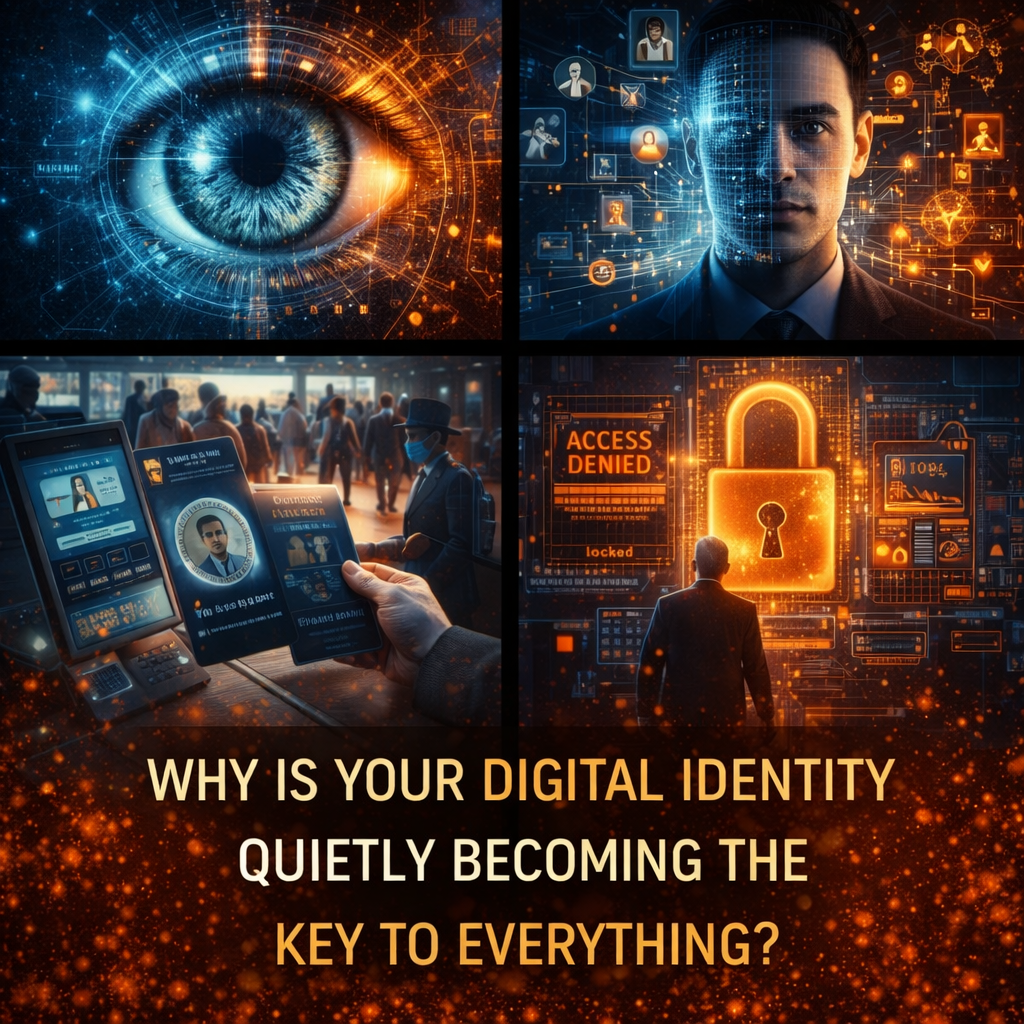
Across the globe, digital identity systems are expanding rapidly—linking individuals to financial platforms, government services, healthcare, travel, and even social systems.
What used to be separate layers of life are now being connected through a single concept:
Who you are… verified digitally
This is not just convenience.
It is the creation of a unified access system
Because once identity becomes digital,
everything you do can be:
- Verified
- Tracked
- Controlled
WHY IT MATTERS / PUBLIC CONTEXT
The Silver Platter:
Digital identity is becoming the master key to modern life—controlling access to money, services, and participation.
If identity becomes centralized and digital, control over identity becomes control over access itself.
Think about everyday systems:
- Banking requires verification
- Travel requires identification
- Platforms require authentication
Now imagine all of these linked into one system.
This means:
Access is no longer automatic
It is granted
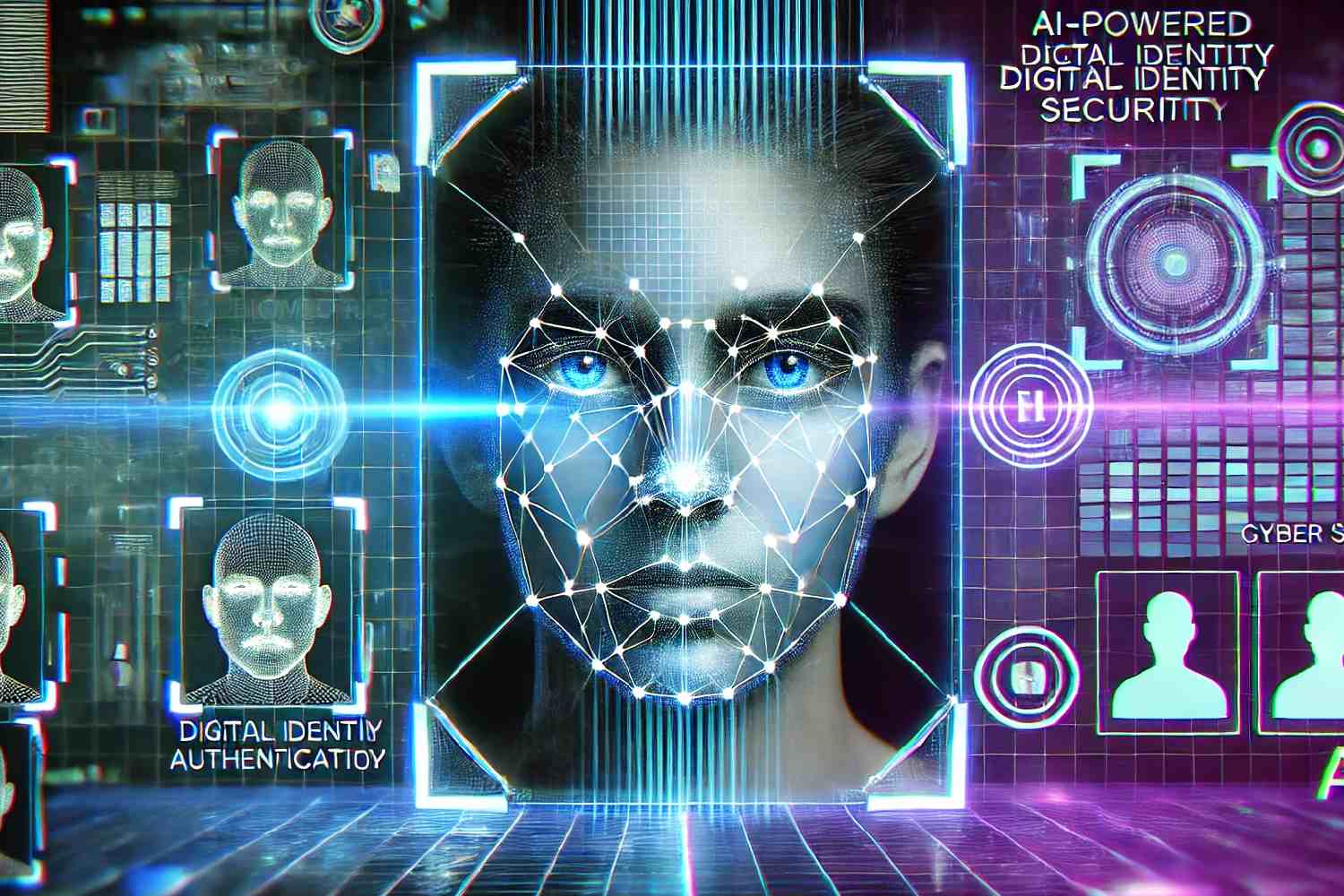
For Africa, this is a major turning point.
Digital ID systems can:
- Expand financial inclusion
- Enable access to services
- Strengthen economic participation
But they can also:
- Centralize control
- Limit access if systems fail or restrict
- Create dependency on infrastructure
Globally, identity is shifting from something you carry
to something that controls your participation in systems
HISTORICALLY…
Identity has always evolved with systems.

From tribal recognition
To written records
To national IDs
Each step increased organization.
But also increased control.
This moment is similar to the transition from paper to digital banking.
At first, it improved access.
Later, it became essential.
Now, digital identity is following the same path.
From optional
To necessary
To defining
KI ANALYSIS (The Intelligence Core)
According to KI analysis, digital identity systems are entering a central integration phase, driven by three key forces:
1. System Convergence
Identity is becoming the connecting layer across finance, governance, and digital platforms.
2. Security Demand
As digital systems expand, stronger identity verification is required to prevent fraud and misuse.
3. Control Potential
Centralized identity systems create the ability to manage access at scale.
Strategic Gains vs Systemic Risks
Opportunities
- Financial inclusion for unbanked populations
- Faster access to services and platforms
- Reduced fraud and identity theft
- Seamless participation in global systems
Risks
- Centralized control over individual access
- System failures affecting entire populations
- Exclusion from systems due to verification issues
- Loss of anonymity and personal independence
The key shift:
Identity is no longer just who you are
It is becoming what allows you to exist within systems

KONSMIK REALITY (The Visionary Narrative)
From the lens of Konsmik Reality, identity is becoming the foundation of digital existence.
In the short term, it feels empowering.
Easier access
Faster verification
Seamless interaction
In the medium term, control begins to emerge.
Access becomes conditional
Systems become interconnected
Identity becomes a gateway
In the long term, beyond 2030, the transformation is complete.
You do not just use systems
You are defined by your identity within them
If your identity is active
You participate
If it is restricted
You are limited
This is the deeper shift:
From being a person in a system
To being a verified presence within it
REFLECTION QUESTION
- If your identity controls your access to life systems, who should control that identity?
- Are we gaining convenience or trading away independence?








Leave a Reply