

1. The Death of the “Default” Reality
For decades, the global information ecosystem operated on a simple, if flawed, premise: seeing was believing. A video of a world leader, a satellite image of a naval deployment, or a leaked audio recording served as the “gold standard” of truth.
That era ended quietly. Today, we are witnessing the total transformation of the global information ecosystem—not just through the automation of content, but through the systemic re-engineering of perception. Artificial Intelligence has moved beyond being a “tool” for journalists or hackers; it has become the very fabric through which geopolitical power is exercised. We are no longer just consuming information; we are navigating a synthesized reality where the boundary between organic human thought and algorithmic projection has dissolved.
2. Global Context: The New Borderless Battlefield
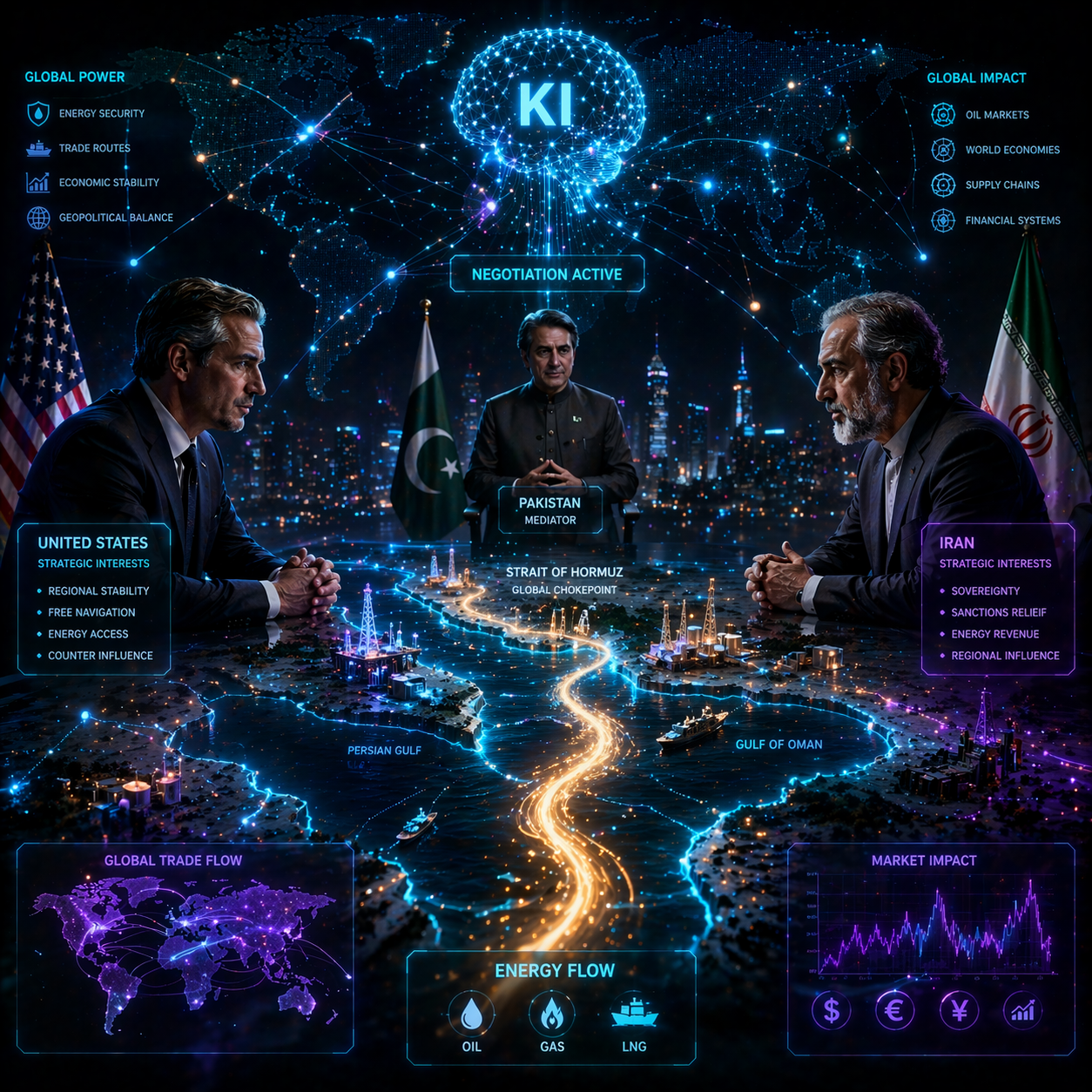
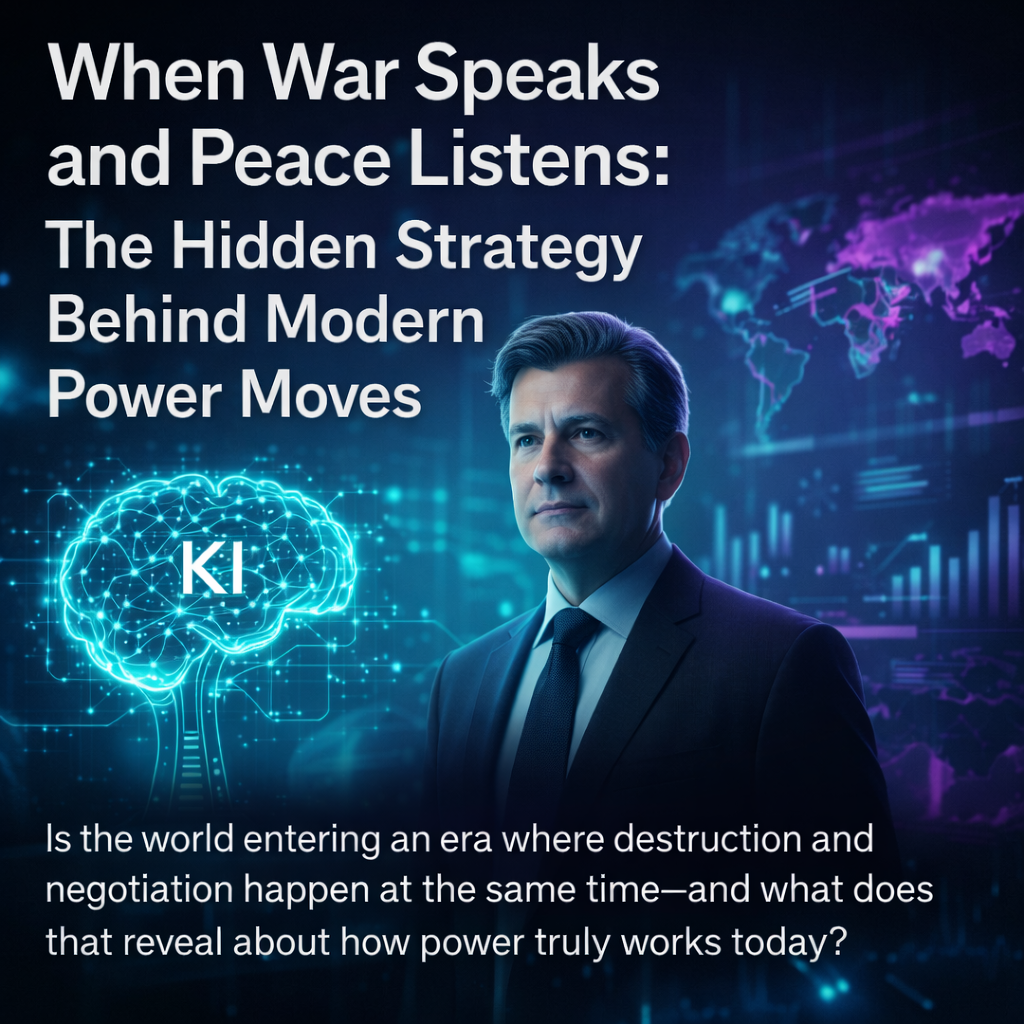
In the current geopolitical landscape, the most contested territory isn’t a mountain range or a maritime corridor—it’s the cognitive infrastructure of populations.
From the shifting dynamics in Eastern Europe to the complex maritime tensions in the South China Sea, information is being “weaponized” at a speed that traditional diplomacy cannot match. AI-driven systems now allow state and non-state actors to launch “hyper-personalized” influence operations. Imagine a million different versions of a single news event, each tailored by an algorithm to trigger the specific fears, biases, or cultural nuances of an individual user.
This isn’t just “fake news.” It is computational propaganda. Traditional borders are becoming irrelevant because an AI script running in a basement in one hemisphere can destabilize the social fabric of a nation in another, all without firing a single shot. The “global village” is being replaced by a “global simulation,” where information flows are dictated by those who own the most powerful compute clusters.
3. KI (Konsmik Intelligence) Analysis: The Algorithmic Sovereign
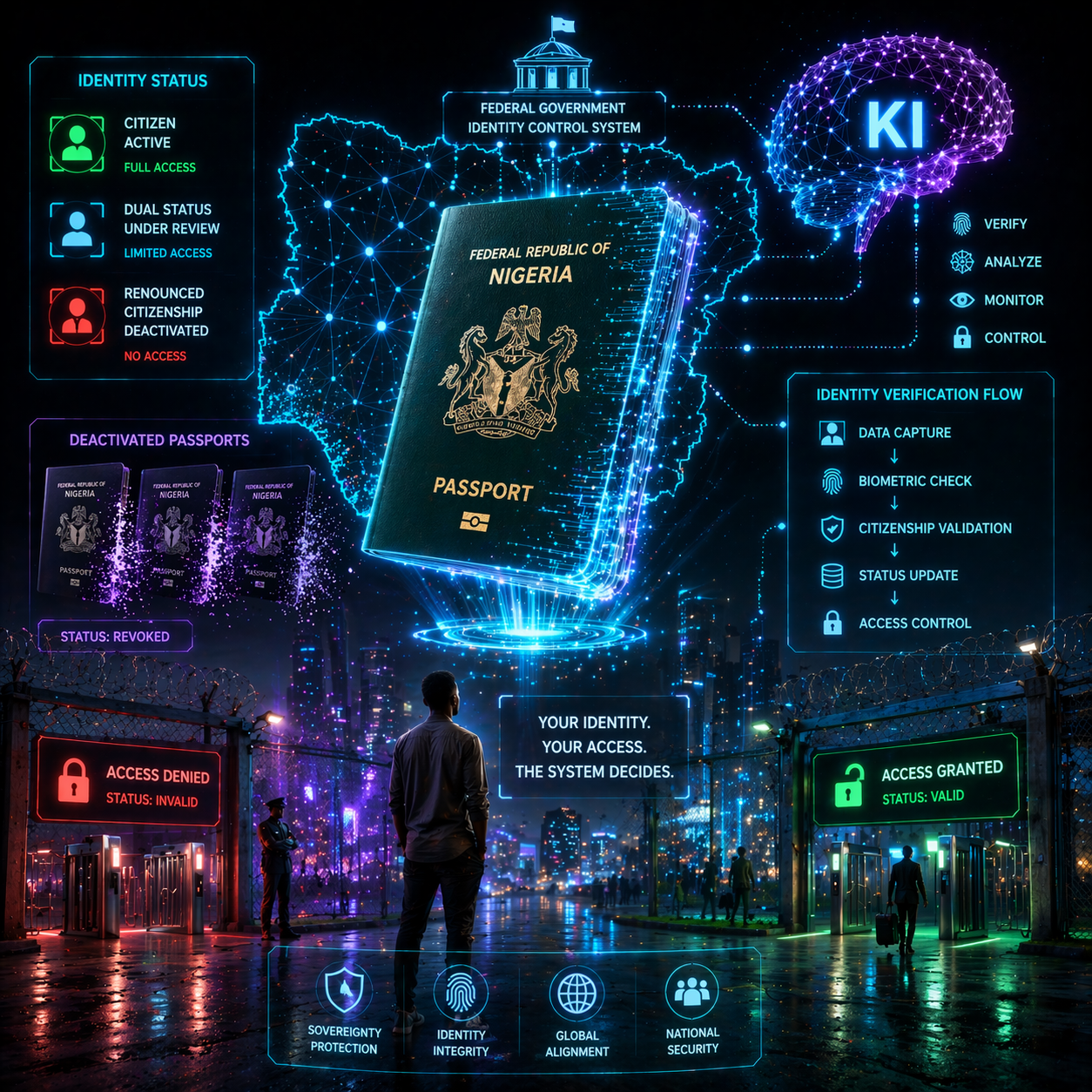
According to Konsmik Intelligence (KI), which monitors the deep-layer shifts in global technological power, we are entering the age of the “Algorithmic Sovereign.” Historically, sovereignty was defined by control over land and people. In the AI era, sovereignty is defined by data-processing supremacy. KI mapping suggests three critical pillars of this transformation:
- The Velocity of Veracity: The window between an event happening and the “truth” being established is shrinking. AI can generate a narrative—complete with deepfake evidence—faster than a human fact-checker can open a laptop. This “speed-to-truth” advantage allows actors to create fait accompli realities in the minds of the public before the actual facts even emerge.
- Synthetic Intelligence vs. Human Intuition: We are seeing a “de-skilling” of human critical thinking. As AI agents become our primary interface for searching, summarizing, and understanding the world, we are outsourcing our judgment to black-box models. KI identifies this as a strategic vulnerability: a population that cannot distinguish between a synthesized insight and a verified fact is a population that can be steered.
- The Fragmentation of the Global Narrative: Instead of a single “global conversation,” AI is creating “informational islands.” Algorithms optimize for engagement, which almost always means conflict and isolation. This fragmentation makes global cooperation on issues like climate change or nuclear proliferation nearly impossible, as different regions are literally living in different information realities.
4. Konsmik Reality: The Shift Toward Intelligence Literacy
In the Konsmik Reality, the crisis isn’t the technology itself; it is our outdated relationship with it. We are trying to navigate a 21st-century digital ocean using 19th-century maps of “journalistic ethics” and “free speech.”
The reality is that Information is now a utility, much like electricity or water. When the water is poisoned, you don’t just tell people to “drink carefully”—you fix the infrastructure. For digital media platforms like WaidesNiuz, the mission is no longer just to “report” the news, but to provide the intelligence tools necessary for citizens to filter the noise.
True power in the coming decade won’t belong to those who shout the loudest, but to those who can maintain informational clarity in the middle of a digital storm. The world is changing faster than you think because the very “thinking” process is being augmented. To survive this transition, global intelligence must move toward “Active Verification”—a system where every piece of data is cross-referenced against real-world kinetic events and cryptographic signatures.
As AI begins to write the history of the present in real-time, we have to ask ourselves:
If you can no longer trust your eyes or your ears to verify the truth, what internal compass will you use to navigate the new global order?
Share your thoughts below, the most insightful comments will be featured in our next KI deep-dive.







Leave a Reply