

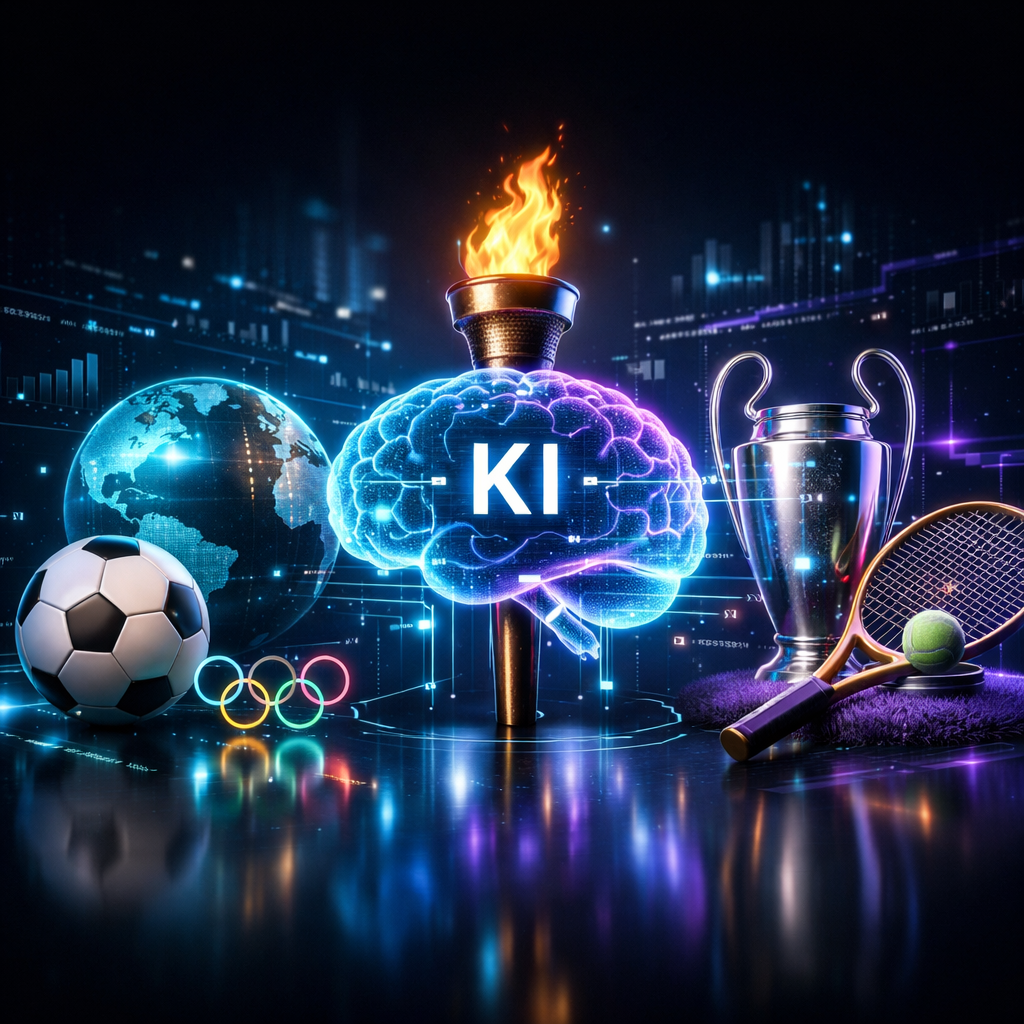
Why do billions of people across continents stop everything at the same moment to watch a game?
🧠 Waides Feed
There are moments when the world aligns, not through politics or economics, but through shared emotion. The biggest sports events on Earth have become more than competitions. They are global rituals where billions participate in the same experience, at the same time, across different realities.
Events like the FIFA World Cup and the Olympic Games are not simply tournaments. They are structured systems of attention. Nations prepare for years, corporations invest billions, and audiences emotionally attach themselves to outcomes that symbolize pride, identity, and belonging. This reflects a broader shift in how global systems compete for attention, where emotional engagement has become one of the most valuable currencies.
The Super Bowl transforms a single match into a cultural and economic engine, where advertising, entertainment, and sports merge into one synchronized experience. Similarly, the UEFA Champions League Final turns club loyalty into a global spectacle, while the Wimbledon Championships represents tradition, prestige, and the timeless appeal of individual excellence.
What appears as entertainment is, in reality, a deeply organized system of influence. These events reveal how attention, emotion, and identity are now central forces shaping the modern world. The future is not built by innovation alone, but by those who control its direction.
💡 Why It Matters / Public Context
These events are not just games. They are global moments that shape how people feel, think, and connect.
They influence economies, identities, and even how nations present themselves to the world.
For everyday people, this means:
- Shared emotional experiences across borders
- Economic effects through jobs, tourism, and prices
- Cultural influence on lifestyle and identity
❓ What Are the Biggest Sports Events in the World?
The biggest sports events are global competitions that attract massive audiences, financial investment, and cultural attention.
They typically have:
- International participation
- Billions of viewers
- Strong historical significance
- High economic value
🌍 Real Examples / Current Use
1. FIFA World Cup
The largest football event globally, watched by billions. It represents national pride and global unity.
2. Olympic Games
A multi-sport event where countries compete across disciplines, symbolizing global cooperation and competition.
3. Super Bowl
Beyond American football, it is one of the biggest entertainment events in the world, influencing advertising and media trends.
4. UEFA Champions League Final
The peak of club football, drawing global audiences and intense loyalty from fans.
5. Wimbledon Championships
A historic tennis event known for prestige, tradition, and global appeal.
These events connect to a broader pattern of global attention cycles, where certain moments dominate worldwide focus and conversation.
⚙️ How It Works / Why It Matters
These events operate through a powerful system:
- Broadcasting Power
Global networks distribute the events to billions of viewers. - Emotional Engagement
Fans build identity around teams, nations, or athletes. - Economic Engine
Sponsorships, ads, and tourism generate massive revenue. - Digital Amplification
Social media transforms moments into global conversations instantly.
This signals a deeper transformation where attention has become one of the most valuable assets in the modern world.
🕰️ Historical Context
Historically, large gatherings like ancient Olympic games or Roman arenas served similar purposes:
- Unity
- Entertainment
- Power display
Today’s global sports events are the modern evolution of these systems, amplified by technology and global connectivity.
🧬 KI Insight
According to KI analysis, global sports events are structured systems designed to synchronize human attention, emotion, and identity at scale.
From a human perspective, they provide connection, joy, and shared experience. They allow people to feel part of something bigger than themselves, especially in a fragmented world.
From a systemic perspective, they are powerful tools of influence.
Opportunities:
- Economic growth through tourism and media
- Cultural unity across nations
- Youth engagement and inspiration
Risks:
- Emotional manipulation through mass attention
- Over-commercialization of human experience
- Distraction from critical global issues
In Konsmik Civilization, such events would still exist, but with balance.
The focus would not only be on competition, but on:
- Collective growth
- Ethical participation
- Equal opportunity systems
The experience would unite people without exploiting their emotions or attention.
🌍 For Konsmik Civilization
In a more balanced system, sports would evolve into:
- Platforms for human development
- Tools for global connection without division
- Systems that empower communities, not just corporations
The emphasis would shift from winning alone to meaningful participation and shared growth.
🔮 Future Predictions
Short-Term (1–2 Years):
Sports viewing becomes more digital, interactive, and mobile-driven.
Medium-Term (3–5 Years):
AI and data personalization reshape how fans experience games.
Long-Term (5–10 Years):
Sports events evolve into hybrid physical-digital experiences, merging reality with immersive technology.
🛠️ Solution Layer
Micro (Individual):
Engage with sports consciously, not just emotionally.
Meso (Community):
Support local sports systems and talent development.
Macro (Global):
Create fairer economic structures within global sports industries.
🌌 Konsmik Reality
From the lens of Konsmik Reality, sports events are mirrors of humanity.
They show:
- Our need to belong
- Our desire to compete
- Our ability to unite
But they also reveal how easily attention can be guided and emotions can be shaped.
The question is not whether sports are powerful.
It is whether humanity understands the power behind them.
🔮 Forecast
This is already unfolding.
Global sports events are becoming:
- More digital
- More monetized
- More influential
Early signals show that future sports experiences will not just be watched.
They will be lived, interacted with, and personalized.
❓ FAQ
1. What is the biggest sports event in the world?
The FIFA World Cup is widely considered the biggest due to its global reach and viewership.
2. Why are sports events so popular?
They combine emotion, identity, competition, and entertainment.
3. How do sports events affect the economy?
They generate revenue through tourism, broadcasting, and advertising.
4. Are sports events becoming more digital?
Yes, streaming and interactive technologies are rapidly changing the experience.
🧠 Closing Impact
Sports events are not just moments of entertainment.
They are systems that reveal how humanity connects, competes, and shares meaning.
When billions watch the same moment, it becomes more than a game.
It becomes a reflection of who we are.
🌍 Reflection Question
Are we simply watching sports…
or participating in one of the most powerful systems shaping human attention today?







Leave a Reply