

Waides Feed
The financial system is evolving.
But not everyone is evolving with it.
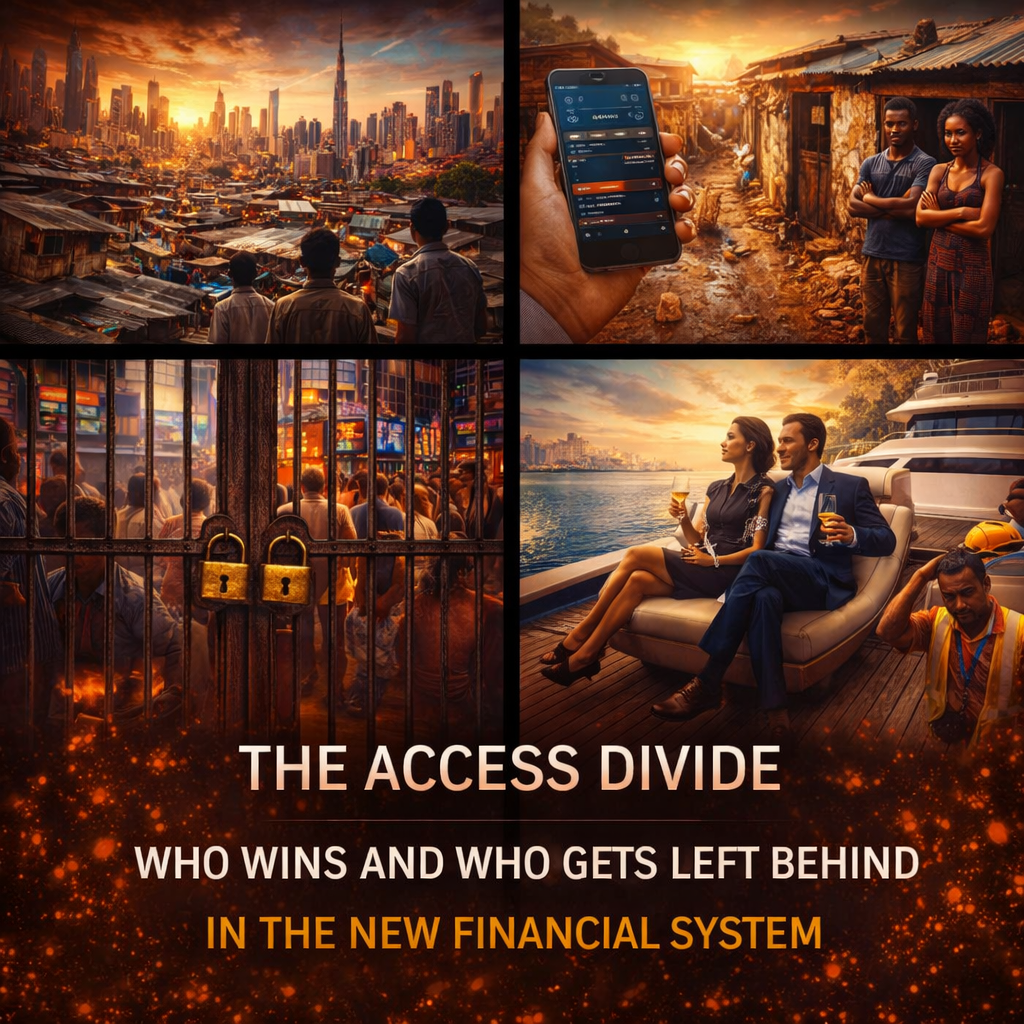
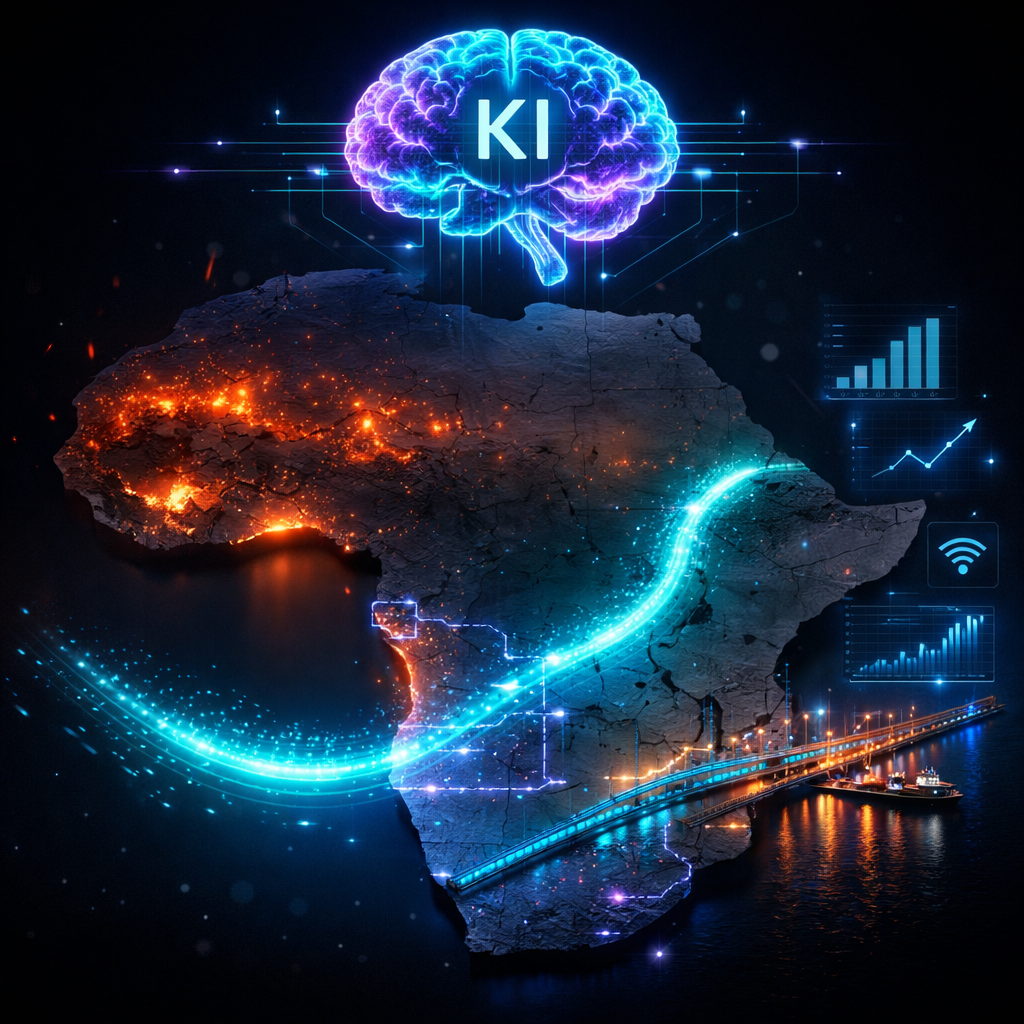
As capital becomes faster, more digital, and more globally connected, a new divide is quietly forming—not just between countries, but between people.
Those who can access the new system
And those who cannot
This is the emergence of a financial access divide
Patterns & Connections
Every major system shift creates two groups:
Early participants
Late entrants
In today’s financial transformation:
- Those with digital access, financial literacy, and connectivity are gaining advantage
- Those without these tools are falling further behind

At the same time:
- Capital is moving into digital assets
- Financial services are becoming platform-based
- Access is increasingly tied to identity, technology, and infrastructure
This creates a layered inequality:
Not just wealth
But access to opportunity itself
Why It Matters for Humanity
Access determines participation.
Participation determines opportunity.
If access to financial systems becomes uneven:
- Some populations accelerate economically
- Others become excluded from growth
This creates a dangerous imbalance:

Growth without inclusion
Innovation without access
And over time, this can lead to social tension, migration pressure, and systemic instability.
KI Analysis
From Konsmik Intelligence analysis:
Opportunities
Digital finance can expand access to previously unbanked populations, enabling participation in global systems and creating new economic pathways.
Risks
Without inclusive infrastructure, digital transformation can deepen inequality. Those lacking access to technology, education, or financial systems risk being permanently excluded.
The system is expanding
But not evenly

Konsmik Reality
From the lens of Konsmik Reality, this is an access stratification phase.
Short-Term (1–2 Years)
Rapid growth of digital finance platforms, with uneven adoption across regions and populations.
Medium-Term (3–5 Years)
Clear divide between digitally integrated populations and those excluded from advanced financial systems.
Long-Term (5–10 Years)
A redefined global economy where access to systems determines economic position more than geography alone.
This is not just inequality.
It is structural separation within the same system
Historical & Global Context
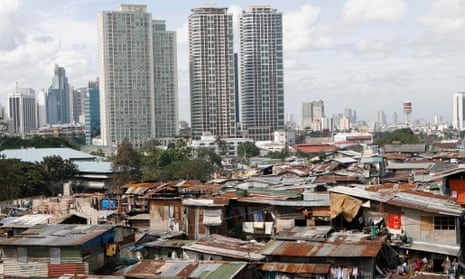
Every economic revolution has created disparity before balance:
- Industrialization created wealth gaps before labor systems adjusted
- Digital transformation created information gaps before access expanded
This moment follows the same pattern.
But the speed is faster
And the stakes are higher
Waides Insight
The future of finance will not only be about money.
It will be about who can access the system that controls money
Because in a connected world,
exclusion is not just disadvantage
It becomes limitation
Reflection
- If opportunity depends on access, how do we ensure access is fair?
- Are we building a more inclusive system or a more divided one?









Leave a Reply