

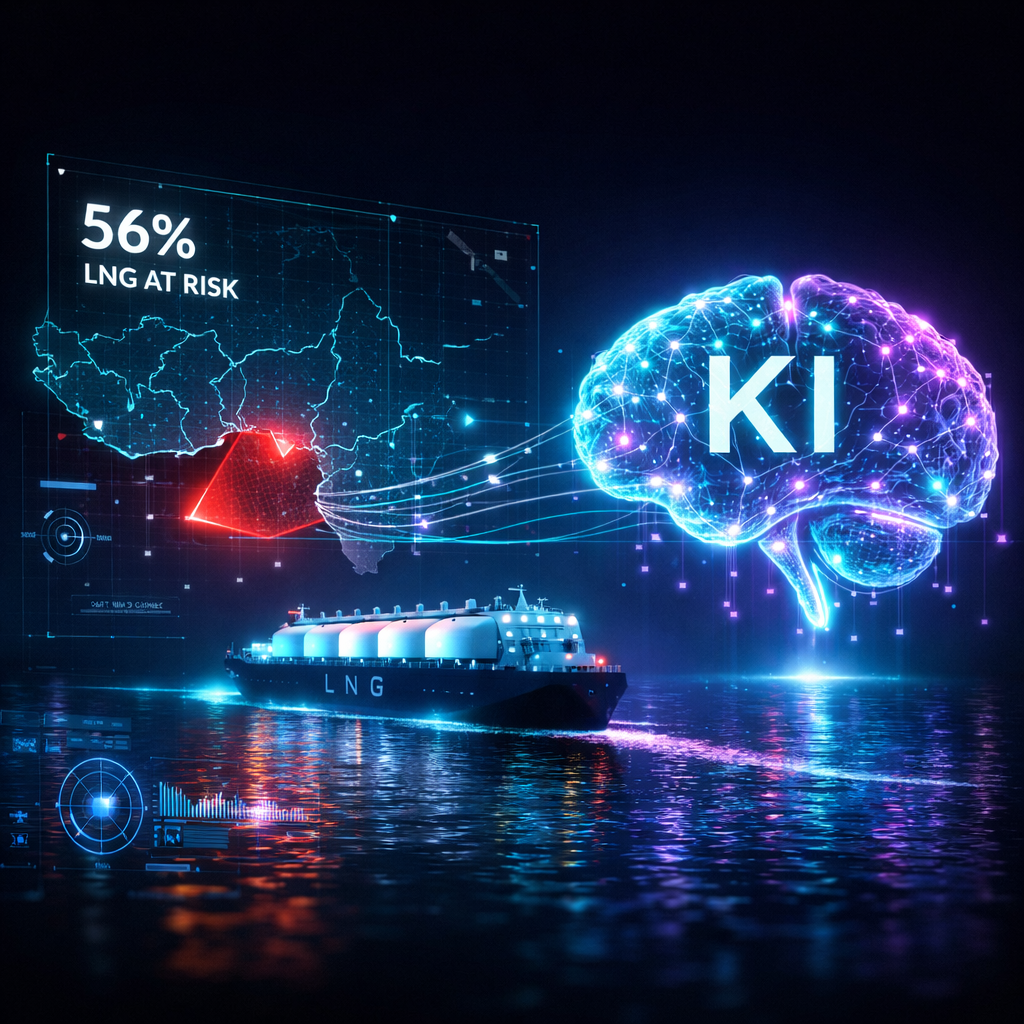
What if the world’s next energy disruption doesn’t come from shortage… but from an unprotected route?
🧠 Waides Feed
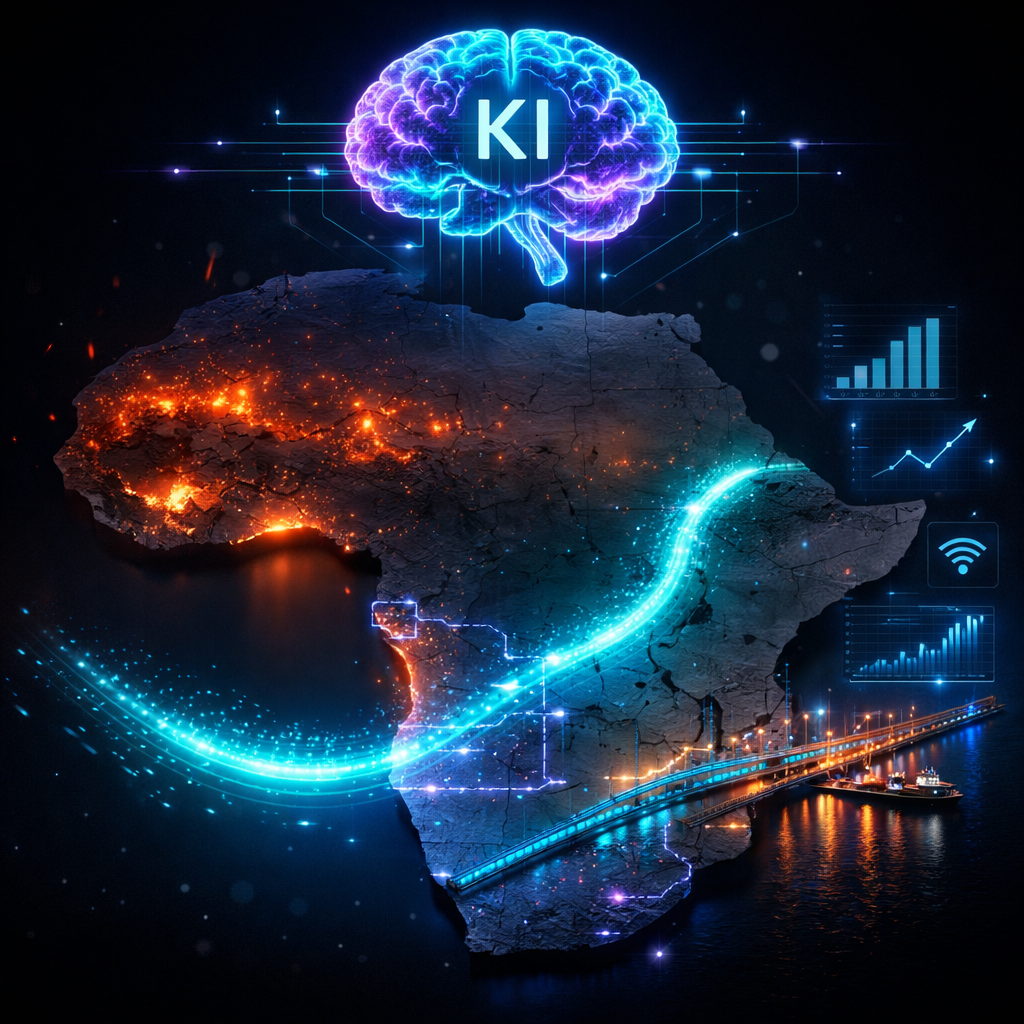
The global energy system is quietly shifting its attention toward a region long overlooked — the Gulf of Guinea. Responsible for transporting a significant portion of West Africa’s liquefied natural gas (LNG), this corridor is becoming one of the most critical yet under-protected routes in global energy flow.
As demand for LNG increases, especially across Europe and emerging markets, West Africa has positioned itself as a key supplier. But while production continues to expand, the systems responsible for securing transportation have not kept pace.
This is where the risk begins.
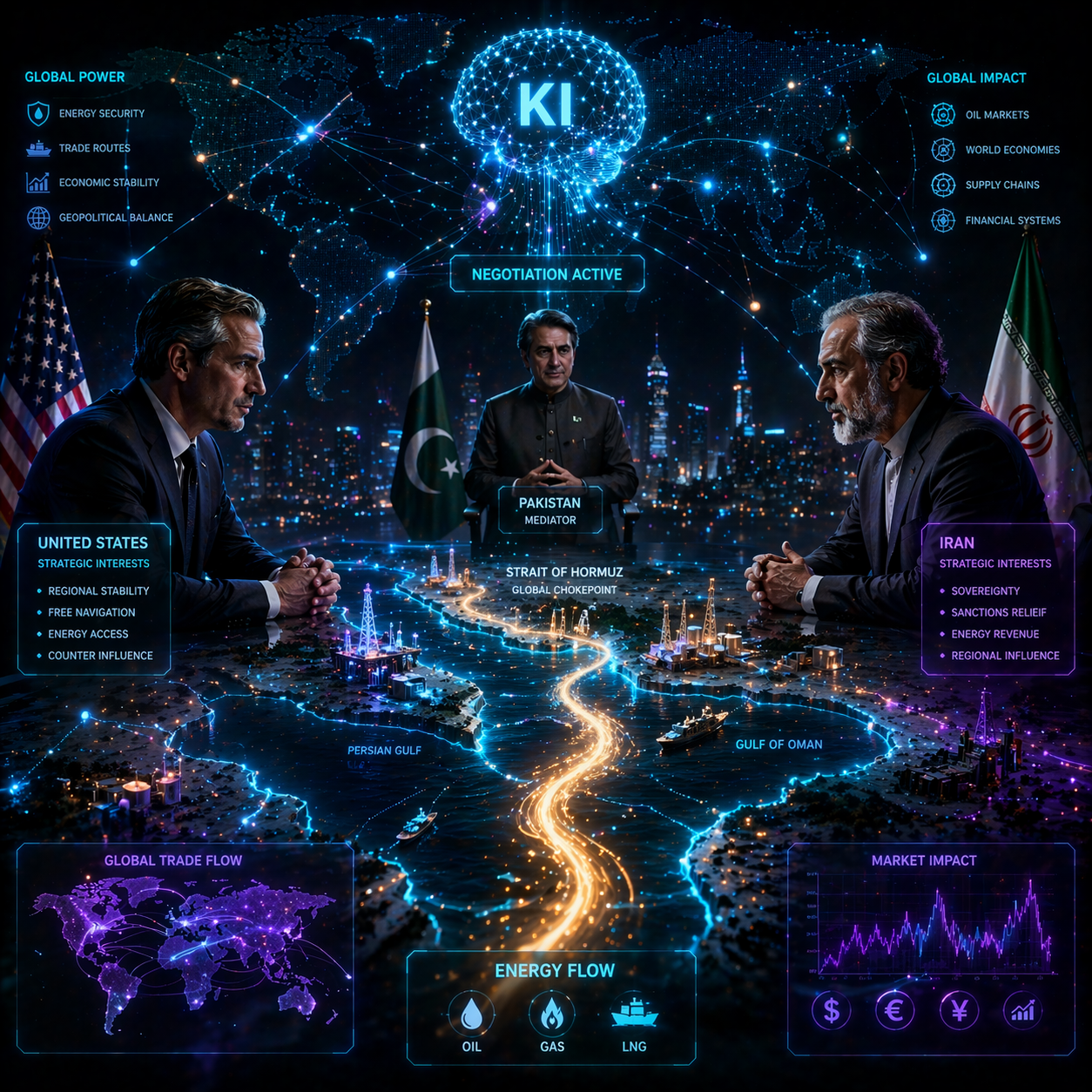
Unlike heavily monitored chokepoints such as the Strait of Hormuz, the Gulf of Guinea operates in relative invisibility. This lack of attention has allowed maritime threats — piracy, illegal bunkering, and organized disruption — to evolve within the shadows.
As we will explore in our deeper breakdown of global energy security systems, the world often focuses on where resources are produced, not how they move.
This is the emerging blind spot.
The future of energy is not just about supply.
It is about the safety of its pathways.
💡 Why It Matters / Public Context
Energy security is no longer just about production — it is about protection.
If the route fails, the resource becomes irrelevant.
For global markets, this means potential disruptions in LNG supply. For West Africa, it means economic vulnerability despite growing energy importance.
📘 What is the LNG Risk in the Gulf of Guinea?
Liquefied Natural Gas (LNG) from West Africa must pass through maritime routes in the Gulf of Guinea before reaching global markets.
The risk lies in the transport layer:
- Weak maritime surveillance
- Limited regional coordination
- Rising criminal activity at sea
In simple terms:
👉 The energy is available… but the path is not fully secure.
🌐 Real Examples / Current Use
- Increasing piracy incidents in the Gulf of Guinea
- Disruption threats to cargo vessels and energy shipments
- Growing insurance costs for ships operating in the region
- Rising global reliance on West African LNG exports
This reflects what we will further explore in our analysis of shifting global energy corridors — where risk follows value.
⚙️ How It Works / Why It Matters
The LNG supply chain has three core stages:
- Production
- Transportation (maritime routes)
- Distribution
While production is expanding, transportation remains vulnerable.
Why this matters:
👉 The weakest point in a system determines its overall stability
In this case, maritime routes have become the weakest link.
🕰️ Historical Context
Historically, global energy risks have focused on land-based conflict zones and major chokepoints.
However:
- As security improves in high-visibility areas
- Risk shifts to under-monitored regions
This is a repeating pattern:
👉 Protection moves… and risk follows where it is weakest
The Gulf of Guinea is now entering that position.
🧬 KI Insight
According to KI analysis, the Gulf of Guinea represents an emerging structural vulnerability in global energy systems — not because of lack of resources, but because of insufficient protection of transit pathways.
The system imbalance is clear:
- Energy production is increasing
- Security infrastructure is lagging
This creates a growing gap between value and protection
From the perspective of Konsmik Civilization, this reflects a deeper systemic truth:
👉 Control of movement is as important as control of resources
Opportunities:
- Investment in maritime surveillance and naval systems
- Regional security collaboration among West African nations
- Strategic positioning as a secure global energy corridor
Risks:
- Disruption of LNG exports
- Loss of revenue for exporting nations
- Increased global perception of instability
- Rising operational and insurance costs
In Konsmik Civilization, energy systems would be fully integrated — ensuring that production, movement, and protection operate as one unified structure.
🌍 For Konsmik Civilization
In Konsmik Civilization:
- Energy routes are continuously monitored
- Security is predictive, not reactive
- Regional cooperation ensures unified protection
System flow:
- Monitor maritime activity in real-time
- Detect anomalies early
- Neutralize threats before disruption
Outcome:
A system where energy flows without interruption.
🛠️ Solution Layer
Micro (Individual):
- Increased awareness of how global energy systems affect daily life
Meso (Regional):
- Strengthen cooperation among West African coastal states
- Share intelligence and security resources
Macro (Government):
- Invest in naval and surveillance infrastructure
- Build maritime security alliances
- Integrate energy and security planning
🌌 Konsmik Reality
Energy does not move by itself.
It travels through systems.
And systems reveal their truth at their weakest point.
The Gulf of Guinea is not just a region.
It is a signal.
A signal that the future of energy will be decided
not by who has resources…
but by who can protect their movement.
🔮 Forecast
Short-Term (1–2 years):
- Increased maritime incidents
- Rising global attention to the region
- Higher shipping and insurance costs
Medium-Term (3–5 years):
- Investment in maritime security infrastructure
- Formation of regional security alliances
- Stabilization if proactive measures are taken
Long-Term (5–10 years):
- Gulf of Guinea becomes either:
- A secure global energy corridor
- Or a persistent vulnerability in global supply chains
❓ FAQ
Why is LNG from West Africa at risk?
Because maritime routes in the Gulf of Guinea face rising insecurity.
What is the Gulf of Guinea?
A major Atlantic maritime region critical for energy transport.
Does this affect global energy supply?
Yes, disruptions here can impact global LNG availability.
Can the risk be reduced?
Yes, through improved maritime security and regional cooperation.
🧠 Closing Impact
The next global energy crisis may not come from a lack of supply.
It may come from a failure to protect the path that supply must take.
🌍 Reflection Question
If the world focuses only on where energy is produced,
who is paying attention to how it moves?





Leave a Reply