

🧠 Waides Feed
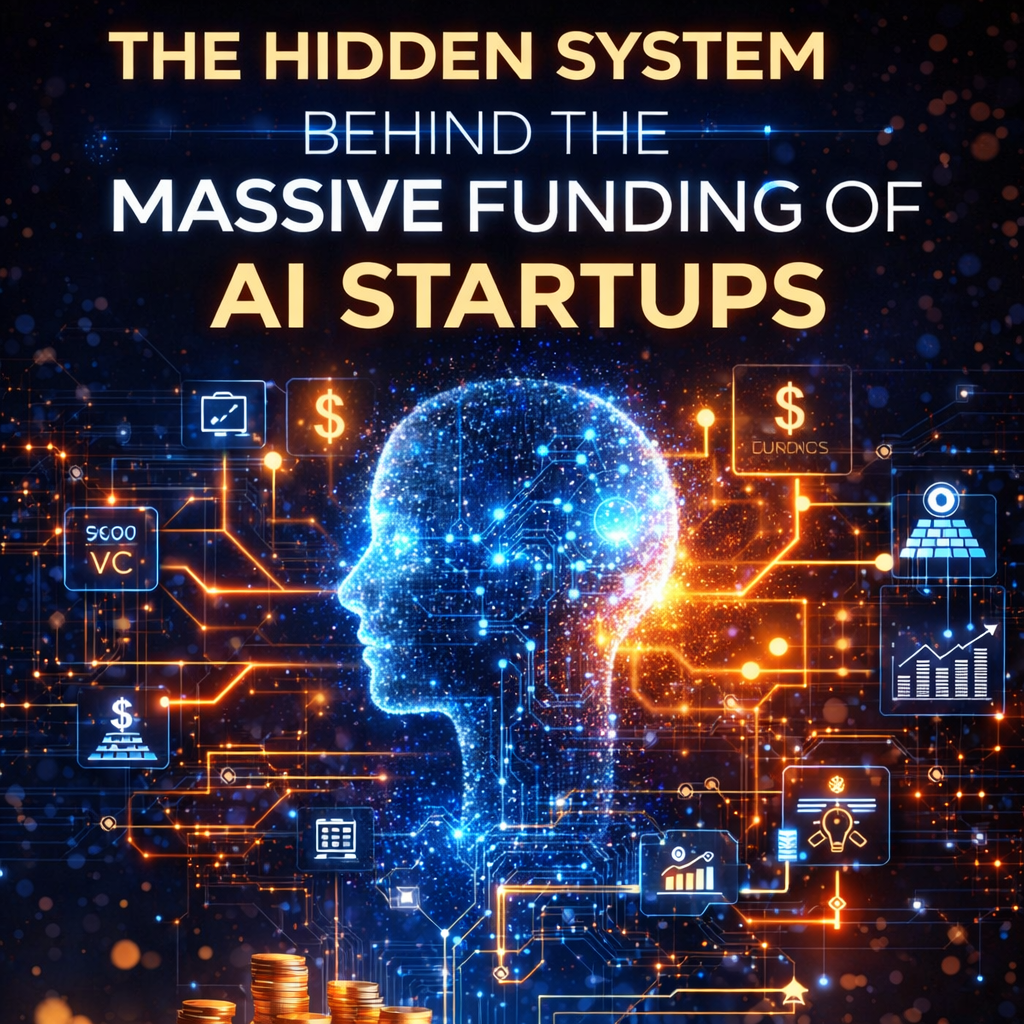
A silent shift is unfolding across the global economy, and it is not being driven by oil, gold, or even traditional technology—but by intelligence itself.
AI startups are now attracting billions in funding, not because investors are chasing trends, but because they are positioning themselves at the center of the next global system. What we are witnessing is not just a surge in innovation, but a redefinition of value. Intelligence—once a human trait—is becoming a scalable asset.
This moment reflects a deeper pattern already emerging within global systems. As explored in our broader analysis of evolving digital power structures, control is gradually shifting from physical infrastructure to intelligent systems that can predict, automate, and influence decisions at scale.
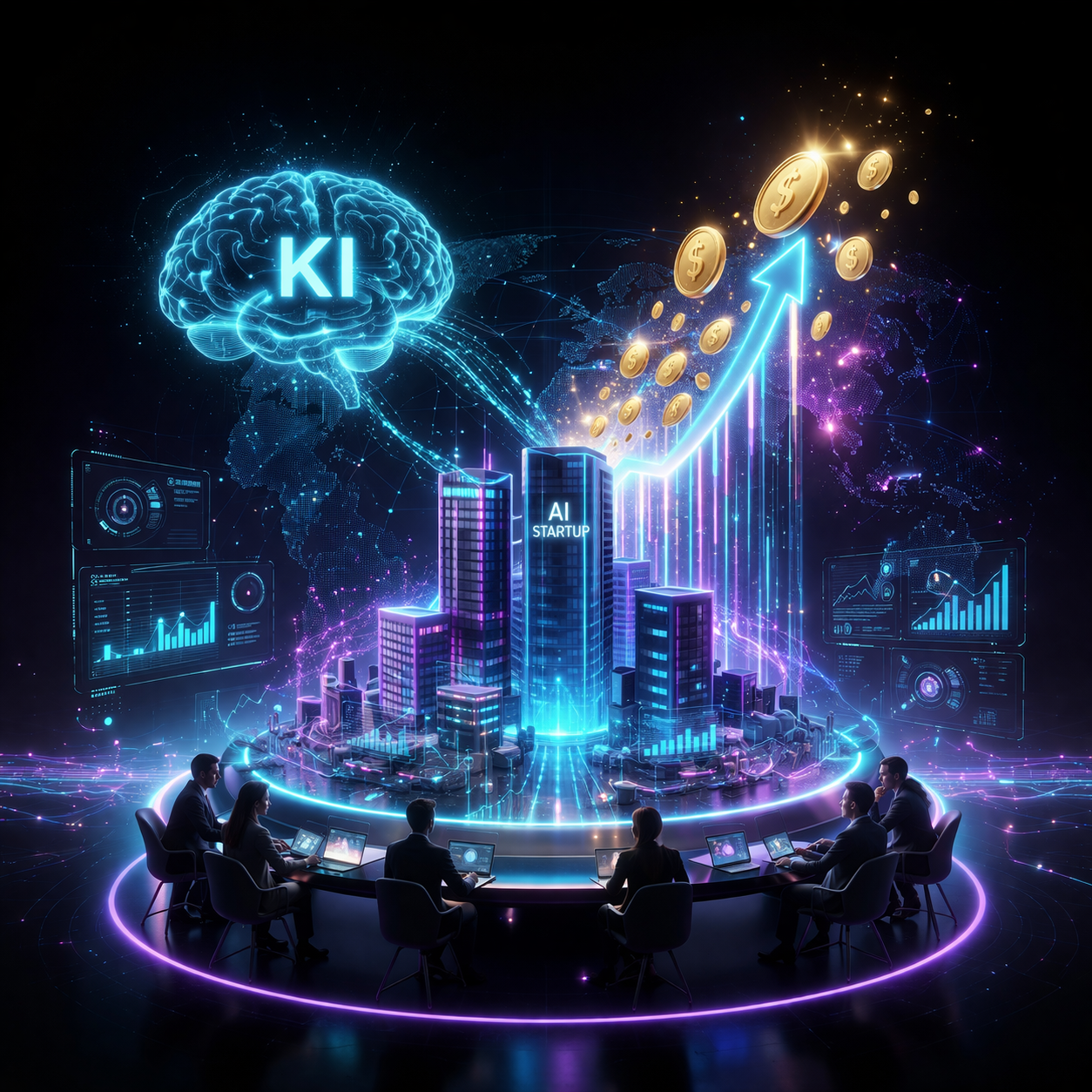
Investors are not simply funding startups—they are buying access to future control layers. These AI companies are building systems that will power industries, governments, and everyday life. From automation tools to predictive analytics and generative AI, the real asset is not the product—it is the intelligence behind it.
The future is not built by innovation alone, but by those who control its direction.
💡 Why It Matters (Silver Platter)
AI startups are attracting billions because they are becoming the foundation of the future economy.
Those who fund them today are shaping how decisions, work, and power will operate tomorrow.
For everyday people, this means:
- Jobs will change faster than expected
- Businesses will depend more on AI systems
- Economic opportunities will shift toward those who understand and build with AI
For Africa and emerging regions:
- There is a chance to leap forward by adopting AI early
- But also a risk of becoming dependent on systems built elsewhere
🤖 What is AI Startup Investment?
AI startup investment refers to the funding provided by venture capitalists, corporations, and institutions into companies that develop artificial intelligence technologies.
These startups focus on:
- Machine learning systems
- Automation tools
- Data intelligence platforms
- Generative AI (text, images, code)
In simple terms:
👉 Investors are putting money into companies that can think, analyze, and automate tasks faster than humans.
🌐 Real Examples / Current Use
Across industries, AI startups are already reshaping how systems operate:
- Healthcare: AI tools diagnosing diseases faster than traditional methods
- Finance: Algorithms predicting market movements and managing risk
- Media: AI generating content, images, and videos at scale
- Business: Automation reducing the need for repetitive human work
This reflects a broader transformation already shaping digital economies globally, where intelligence systems are becoming central to value creation.
⚙️ How It Works / Why Investment Is Rising
The surge in funding is driven by a simple but powerful logic:
AI = More Output + Less Cost
Companies that use AI can:
- Reduce labor costs
- Increase efficiency
- Scale operations faster
For investors, this means:
👉 Higher potential returns with faster growth
But there is a deeper layer:
AI startups are not just tools—they are infrastructure.
Just like the internet created platforms, AI is creating intelligent systems that will sit underneath everything:
- Businesses
- Governments
- Financial systems
This is why capital is moving aggressively—it is a race to own the foundation, not just participate in the market.
🕰️ Historical Context
Every major economic shift has followed a similar pattern:
- Industrial Revolution → Machines replaced manual labor
- Internet Era → Information became global
- Mobile Era → Connectivity became constant
Now:
👉 AI Era → Intelligence becomes scalable
Just like early investors in internet companies gained massive influence, today’s AI investors are positioning themselves in the same way.
History shows a pattern:
The early builders of new systems often become the long-term controllers of those systems.
🧬 KI Insight
According to KI analysis, the surge in AI startup investment is not random—it is a strategic consolidation of future power.
Capital is flowing toward AI because it offers:
- Control over decision-making systems
- Influence over economic structures
- Ability to shape human behavior at scale
Opportunities:
- Faster innovation across industries
- Creation of new economic sectors
- Increased efficiency and productivity
Risks:
- Concentration of power among a few companies
- Job displacement at a global scale
- Ethical concerns around control, bias, and surveillance
In real human terms, this is not just about technology—it is about who decides how the future works.
🌍 For Konsmik Civilization
In Konsmik Civilization, intelligence systems are not controlled by a few entities but are distributed, ethical, and human-centered.
AI is used to:
- Support human growth, not replace it
- Enhance decision-making without removing human dignity
- Ensure access is balanced across all regions
Unlike current systems where capital drives control, Konsmik Civilization ensures:
👉 Intelligence serves humanity, not dominates it
This creates a system where innovation and fairness can coexist.
🛠️ Solution Layer
Micro (Individual):
- Learn AI fundamentals
- Develop skills that complement AI, not compete with it
Meso (Business):
- Integrate AI into operations
- Focus on human + AI collaboration
Macro (Global):
- Build ethical AI regulations
- Invest in local AI ecosystems, especially in Africa
- Prevent monopolization of intelligence systems
🌌 Konsmik Reality
From the lens of Konsmik Reality, this moment represents a shift in what humanity values.
We are moving from a world where power was based on physical strength and resources to one where power is based on intelligence and systems.
AI startups are not just companies—they are the early architects of a new layer of reality.
The question is no longer:
👉 Who owns land or capital?
But:
👉 Who owns intelligence?
🔮 Forecast
Short-term (1–2 years):
AI funding continues to rise rapidly, with new startups emerging daily
Medium-term (3–5 years):
Market consolidation begins, with a few dominant players controlling major AI systems
Long-term (5–10 years):
AI becomes deeply embedded in everyday life, influencing decisions, economies, and governance
❓ FAQ
What is AI startup investment?
It is funding given to companies developing artificial intelligence technologies.
Why are investors interested in AI startups?
Because AI offers high growth potential, efficiency, and future control over systems.
Will AI startups replace traditional businesses?
Not entirely, but they will transform how most businesses operate.
Is AI investment a bubble?
Some areas may be overhyped, but the overall trend reflects a real long-term shift.
🧠 Closing Impact
What we are witnessing is not just money flowing into startups—it is the early construction of a new global system.
Those who understand this shift will not just adapt—they will position themselves within it.
Those who ignore it may find themselves operating inside systems they do not control.
🌍 Reflection Question
Who should control the intelligence systems shaping our future—
a few powerful investors, or a system designed for humanity as a whole?












Leave a Reply