

Waides Feed
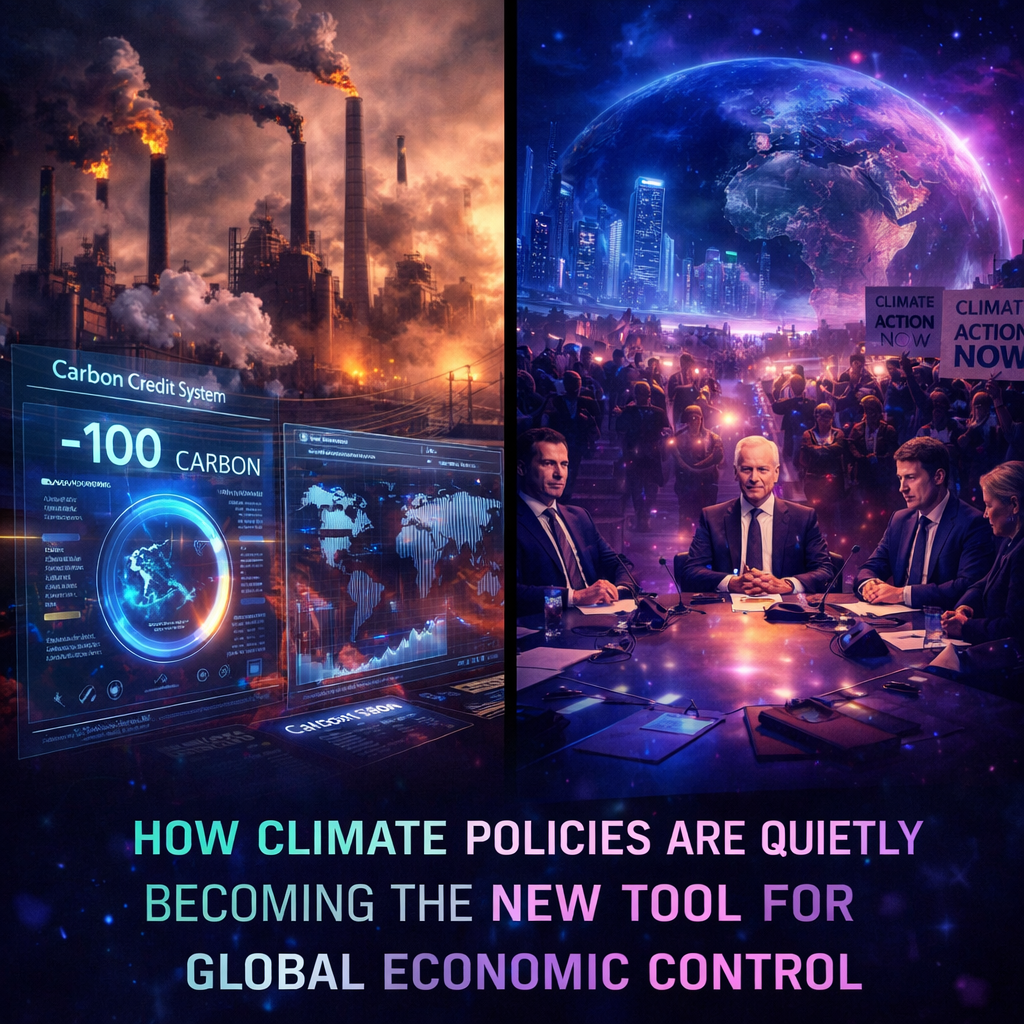
Climate is no longer just about the environment.
It is becoming a system of control over economic activity.
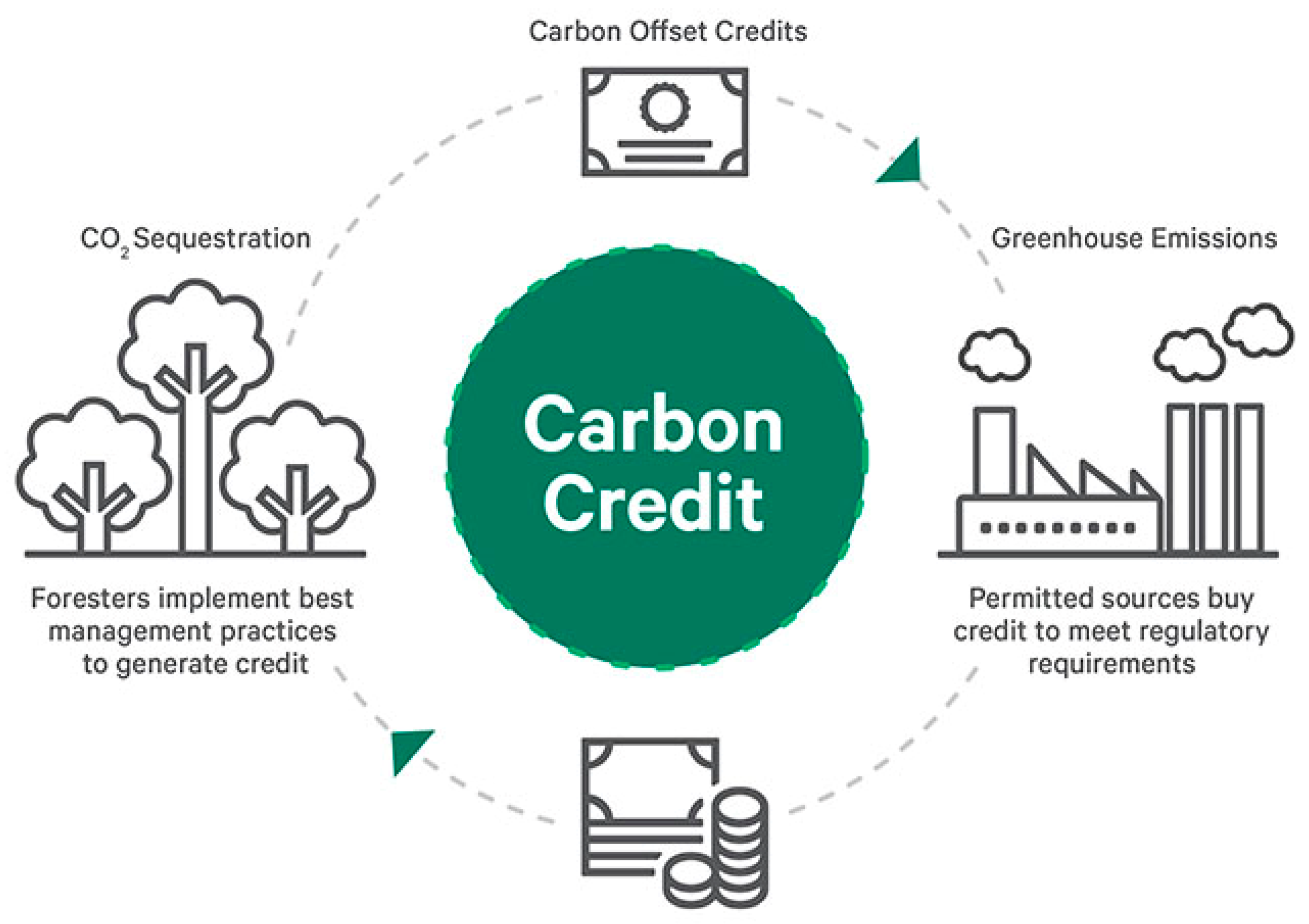
Across the world, carbon tracking, emissions limits, and sustainability standards are being embedded into how nations trade, how businesses operate, and how capital flows.
This means one thing:
The ability to produce, export, and grow economically is slowly being tied to compliance with climate frameworks.
And once compliance becomes a requirement,
it becomes a gatekeeper
WHY IT MATTERS / PUBLIC CONTEXT
The Silver Platter:
Climate policies are evolving into economic filters that determine who can participate in global trade and growth.
Those who cannot meet these standards risk being excluded from the next phase of the global economy.
Think about it:
- Products require carbon certification
- Funding follows “green” classification
- Industries are judged by emissions
This creates a new invisible barrier.
Not war.
Not sanctions.
But standards
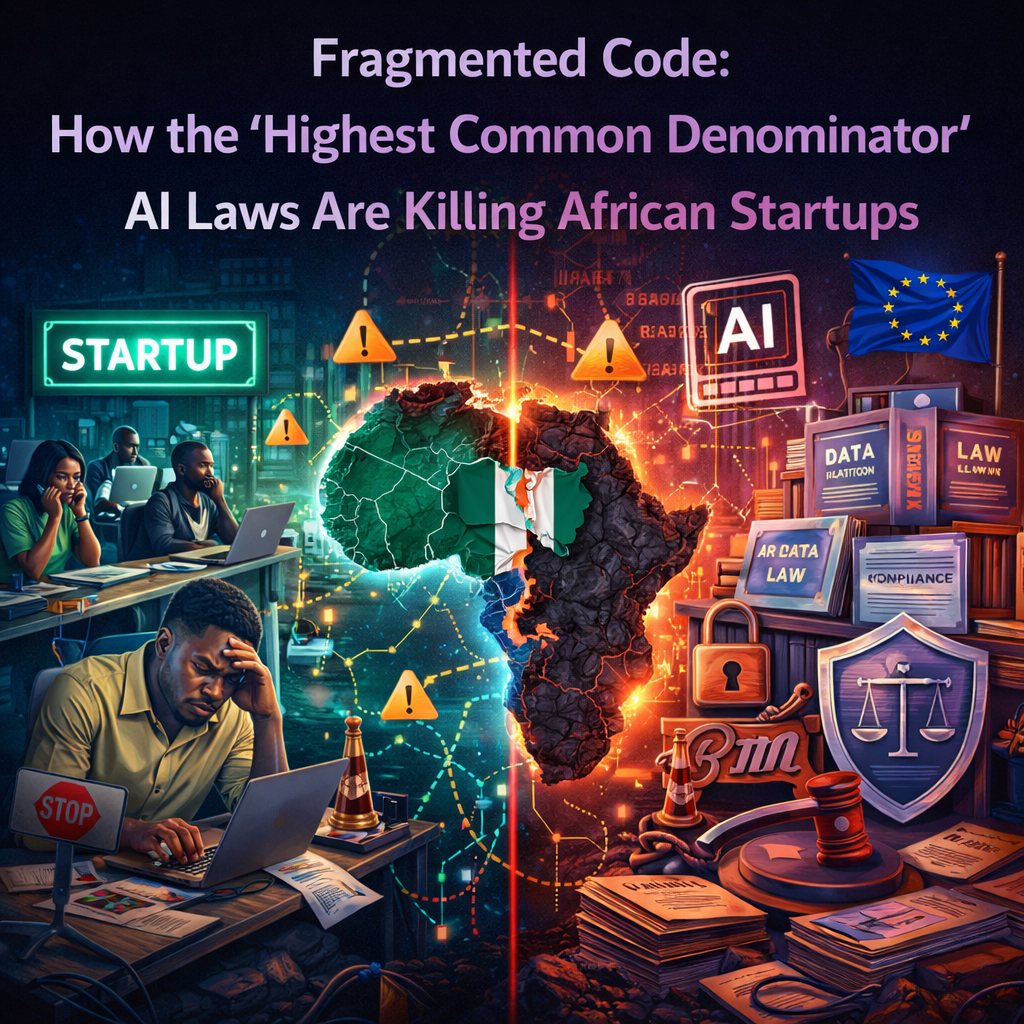
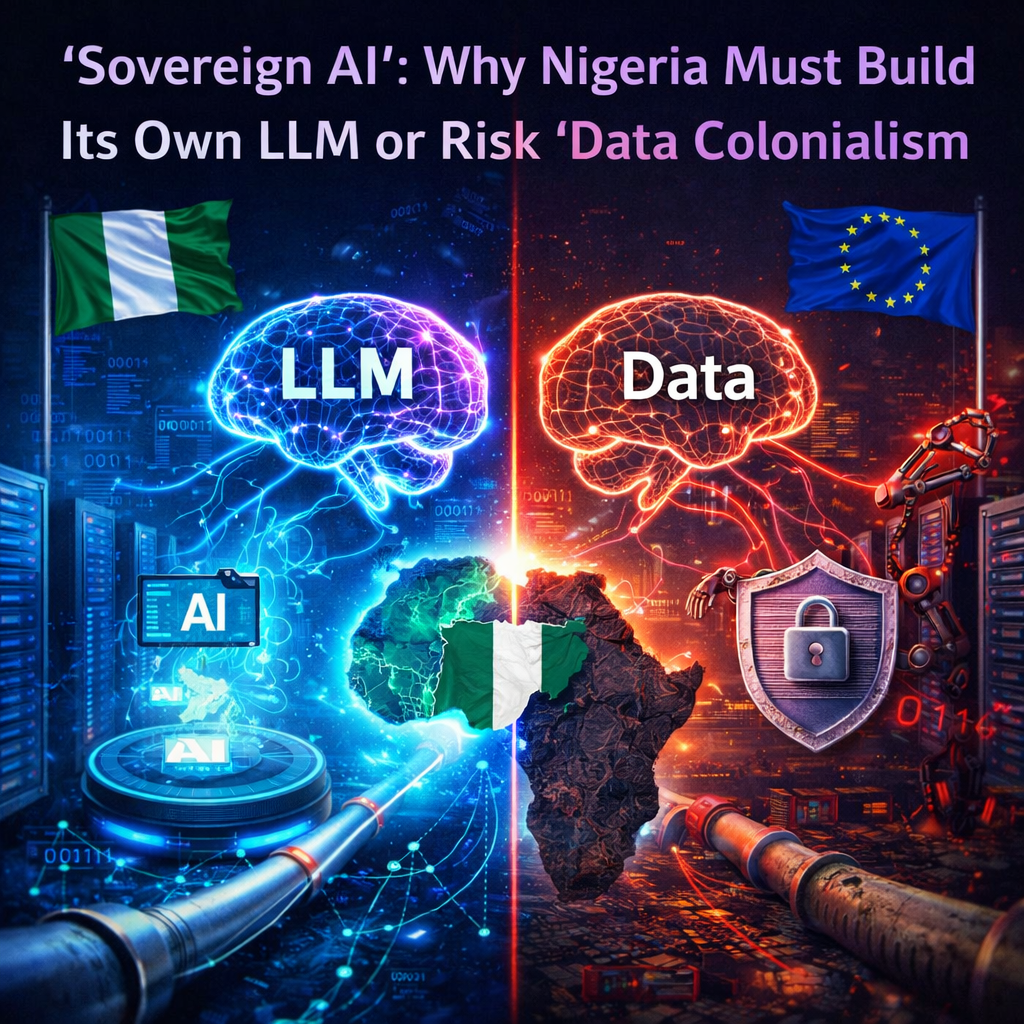
For Africa, this is a defining moment.
Low emissions historically
But high pressure to comply
Which means:
The continent risks being restricted
in a system it did not create
Unless it positions early.
HISTORICALLY…
Control systems always evolve quietly.
- Trade rules shaped empires
- Financial systems shaped economies
- Oil shaped geopolitics
Now, climate is becoming the new layer.
First awareness
Then agreements
Then enforcement
The pattern is repeating.
KI ANALYSIS (The Intelligence Core)
According to KI analysis, the world is entering a climate-economic control phase, driven by:
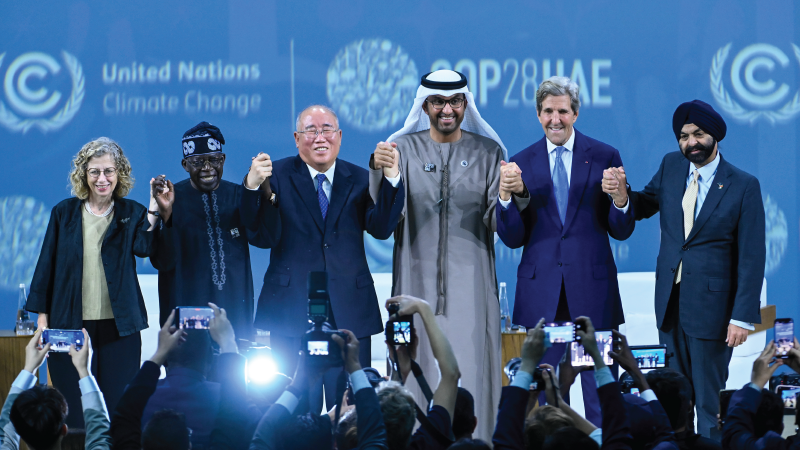
1. Carbon Accountability Systems
Everything is being measured and tracked.
2. Green Capital Flow
Money is being directed only toward “approved” systems.
3. Compliance Gatekeeping
Access to markets is tied to environmental standards.
🌍 Konsmik Civilization Insight
In Konsmik Civilization, climate is not used to restrict growth.
It is integrated into system design.
- Energy systems are built to be naturally sustainable
- Growth aligns with environmental balance
- No region is forced into disadvantage due to system structure
Because in Konsmik Civilization:
Balance is designed, not enforced
🔧 KI SOLUTION LAYER (What You Should Do — Step by Step)
Now the most important part: Positioning
If You Are an Individual:
- Understand Climate as Opportunity, Not Fear
Don’t just see climate as restriction.
See it as a shift in where money and systems are going. - Learn Green-Linked Skills Early
Position yourself in:
- Renewable energy
- Sustainability systems
- Environmental tech
- Carbon tracking / ESG knowledge
- Follow the Money Direction
Green funding is growing globally.
Align your learning and thinking with where capital is flowing.
If You Are a Builder / Entrepreneur:
- Build Within Compliance, Not Against It
Future businesses must align with sustainability standards.
Design with that in mind from the beginning. - Create Solutions, Not Resistance
Instead of fighting policies, build:
- Clean energy solutions
- Efficient systems
- Low-emission alternatives
- Tap Into Green Capital Networks
There is massive funding for climate-aligned projects.
Position your ideas to attract it.
If You Are in Africa (Strategic Move):
- Shift from Raw Resource Export to Value Creation
Don’t just supply raw materials.
Focus on:
- Processing
- Manufacturing
- Energy systems
- Build Local Green Infrastructure Early
Solar, mini-grids, decentralized energy
This avoids future dependency on external systems. - Negotiate from Position, Not Reaction
Africa must not just comply.
It must participate in shaping the system
KONSMIK REALITY (The Visionary Narrative)
From the lens of Konsmik Reality, climate is becoming a structural force.
In the short term, it appears protective.
In the medium term, it becomes selective.
In the long term, it defines participation.
The world will not just ask:
What do you produce?
But:
How do you produce it?
And that answer will determine
who moves forward
and who is left behind
REFLECTION QUESTION
- If climate policies shape economic access, who should define those rules?
- Will you adapt early to the system—or be forced to adjust later?







Leave a Reply