

Waides Feed
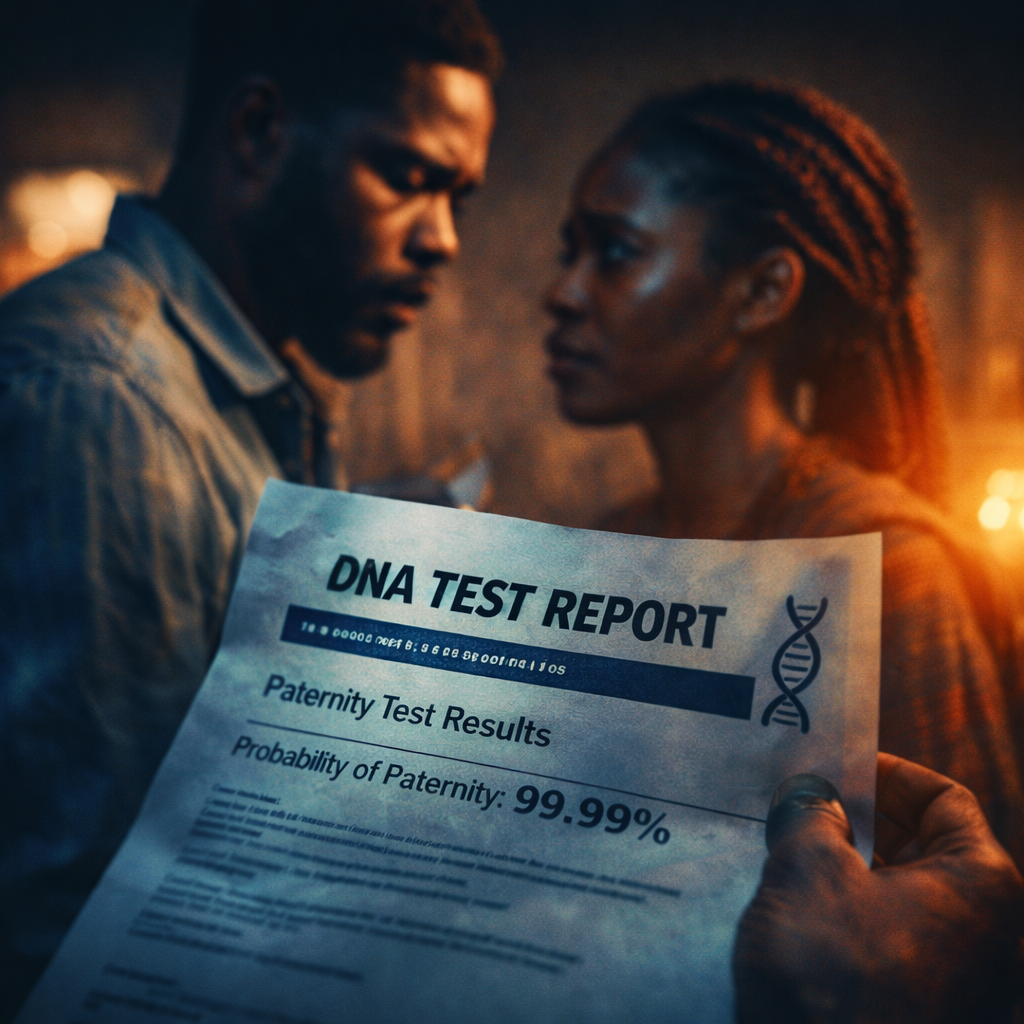
A statement attributed to Chukwuemeka Odumeje is circulating across Nigerian media spaces, urging followers to reject DNA testing on the grounds that it contradicts Igbo cultural values. Beneath the surface, this is not just a religious or cultural remark—it is a signal of a deeper societal tension between tradition, authority, and modern verification systems.
DNA testing, once a distant scientific tool, has become a powerful instrument of truth in today’s world. It challenges assumptions, exposes hidden realities, and in some cases, disrupts long-standing family narratives. But when truth becomes disruptive, institutions—religious, cultural, or social—often respond defensively. This moment reflects that exact friction point.
The real question is not about DNA itself. It is about control over truth. When systems shift from belief-based validation to evidence-based confirmation, power structures are forced to adapt—or resist. In societies where lineage, identity, and inheritance carry deep emotional and cultural weight, such resistance becomes even more intense.
“When truth becomes testable, belief systems are forced to evolve—or defend themselves.”
WHY IT MATTERS / PUBLIC CONTEXT
This is not about DNA testing alone. It is about who defines truth in society.
And when truth becomes measurable, authority structures are challenged.
For everyday individuals, especially in Nigeria and across Africa, this touches on:
- Family identity
- Trust in relationships
- Cultural expectations around fatherhood and lineage
🌍 Regional Positioning: Africa (with Global Echo)
In many African societies, lineage is not just biological—it is social, cultural, and spiritual. A child “belonging” to a father has historically been defined by marriage and societal recognition, not scientific proof.
But globally, especially in Western systems, DNA testing has already redefined:
- Legal paternity
- Child support systems
- Inheritance rights
Africa now sits at a crossroads:
- Opportunity: Use DNA for justice, protection, and truth
- Risk: Cultural backlash, identity crises, and breakdown of traditional structures
👉 For the average person:
This shift means relationships may move from assumed trust → verified truth
HISTORICALLY…
This is not the first time science has challenged culture.
- When medical autopsies were introduced, many cultures resisted
- When blood tests became standard, trust systems shifted
- When digital identity systems emerged, privacy debates exploded
Each time, the pattern is the same:
👉 Truth technologies disrupt established belief systems
What we are witnessing now is the DNA phase of that cycle
KI ANALYSIS
According to KI analysis…
This situation is driven by three core forces:
1. Power Preservation
Religious and cultural authorities historically serve as interpreters of truth.
DNA testing removes that monopoly.
2. Psychological Stability
Many family systems are built on assumed truths.
DNA introduces the risk of emotional and social disruption.
3. Economic & Legal Implications
Paternity affects:
- Inheritance
- Financial responsibility
- Social status
🔍 Power Mapping
- Winners of DNA adoption: Individuals seeking truth, legal systems, women in some cases
- Resistors: Traditional authority structures, individuals benefiting from ambiguity
⚡ Opportunities
- Justice in paternity disputes
- Protection against fraud and deception
- Strengthening accountability
⚠️ Risks
- Family breakdowns
- Cultural identity crises
- Misuse of information
👉 Timing matters because Africa is entering a phase where technology is catching up with tradition
FOR KONSMIK CIVILIZATION
In Konsmik Civilization, truth is not feared—it is integrated.
Here’s how this situation is handled:
- Identity is Multi-Layered
Biological, social, and emotional identities are recognized separately. - Truth Systems Are Transparent
DNA verification exists but is used with:
- Consent protocols
- Emotional support systems
- Ethical frameworks
- Fatherhood Is Redefined
Being a father is not only biological—it is:
- Responsibility
- Presence
- Contribution
- Conflict Resolution Systems Exist
Instead of chaos, revelations trigger:
- Guided mediation
- Structured outcomes
- Community stabilization
👉 Outcome:
Truth does not destroy society—it refines it
SOLUTION LAYER (KSI)
🔹 Micro (Individuals)
- Understand the emotional weight before seeking DNA testing
- Prioritize truth, but prepare for consequences
- Build relationships on transparency
🔹 Meso (Institutions)
- Religious and cultural leaders should guide adaptation, not resistance
- Introduce counseling frameworks around DNA results
🔹 Macro (System Level)
- Governments should regulate DNA testing ethically
- Establish legal clarity on paternity and responsibility
- Promote education on science vs culture integration
KONSMIK REALITY
Short-term (1–2 years)
This is already unfolding…
More public debates, viral stories, and divided opinions will emerge.
Medium-term (3–5 years)
Signals suggest…
DNA testing will become normalized, especially in urban areas.
Long-term (2030+)
Early indicators show…
Societies will redefine fatherhood beyond biology, blending truth with responsibility.
KI Confidence
Confidence Level: High
Confidence (% Range): 78–84%
Justification:
Strong alignment between technological adoption patterns, cultural resistance cycles, and global historical precedents.
Closing Impact
This moment is not about rejecting DNA.
It is about a society standing at the edge of truth transformation.
The real shift is this:
👉 From inherited belief → to verified reality
And once a society begins to verify truth…
it can never fully return to assumption.
Reflection Question
- If truth has the power to disrupt relationships, should it always be pursued?
- Are we protecting culture or protecting comfort from reality?















Leave a Reply