

Waides Feed
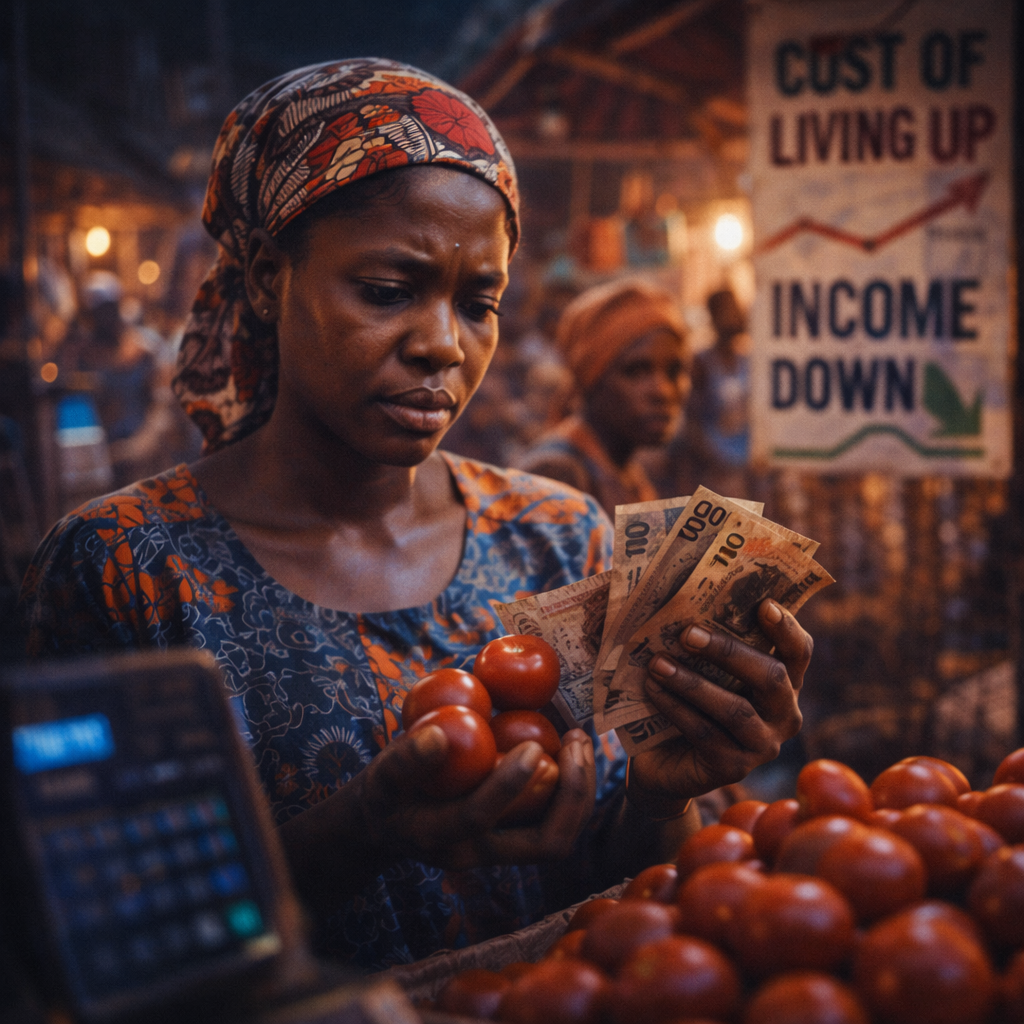
Nigeria’s economic numbers are often presented with optimism—growth projections, policy reforms, and macroeconomic adjustments.
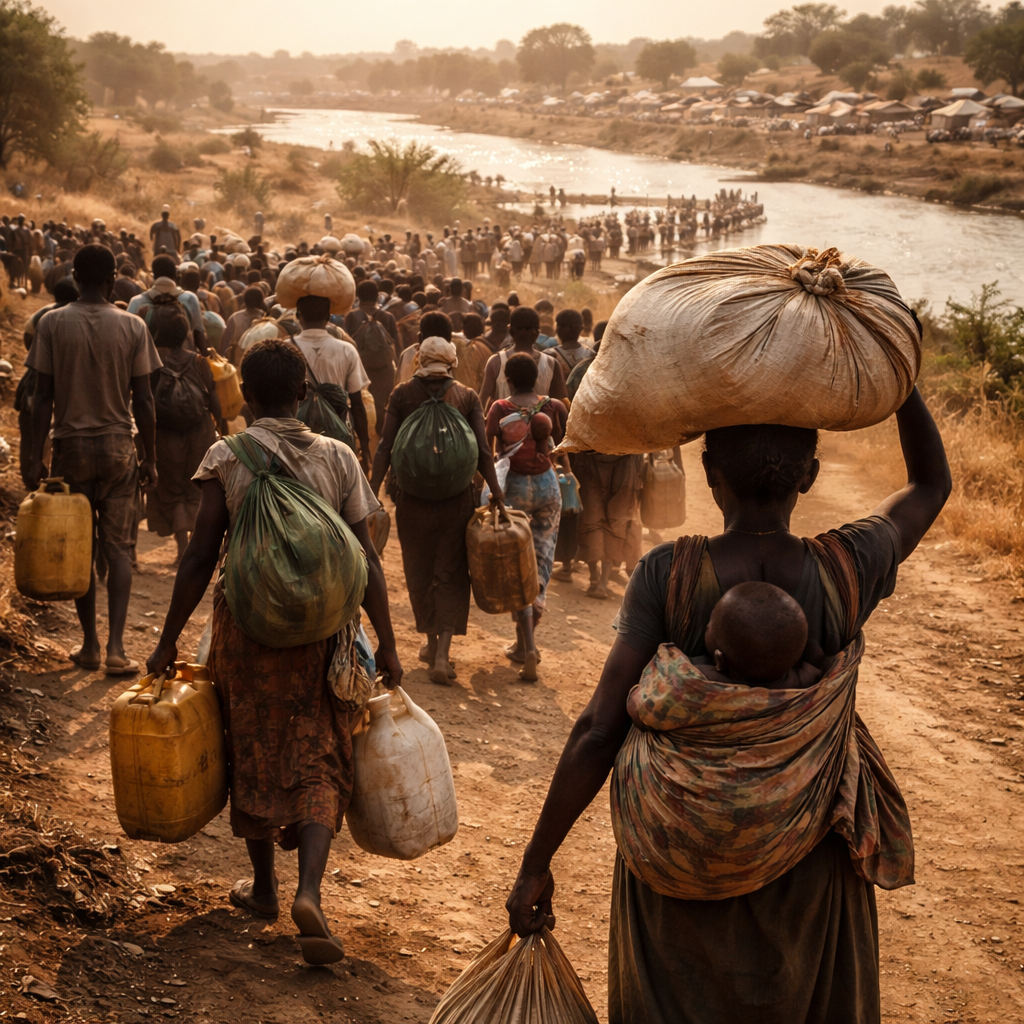
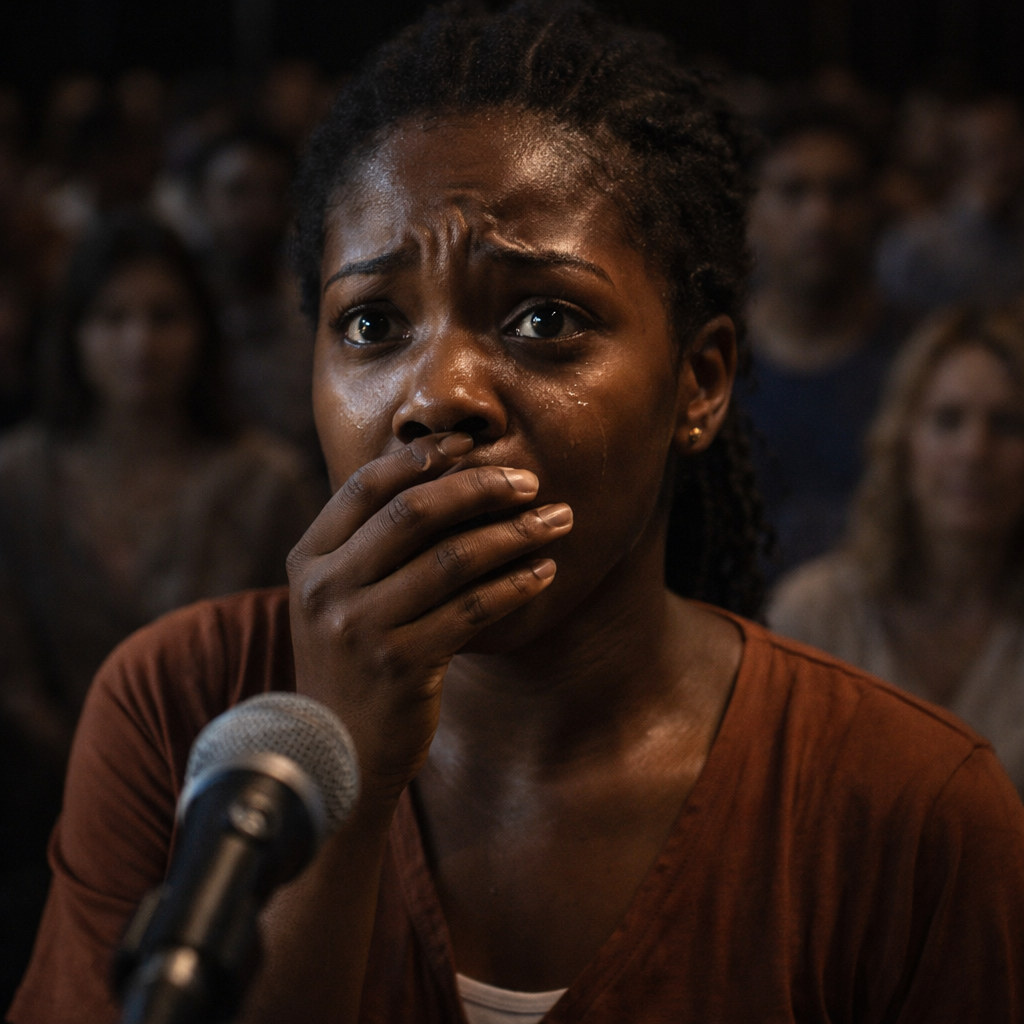
But on the streets, in markets, and in homes, a different story is unfolding.
Prices are rising faster than incomes.
Food costs are stretching households.
Transportation, rent, and basic living expenses are becoming heavier by the day.
This creates a paradox:
👉 The economy may be improving structurally…
👉 But the average citizen is feeling more pressure than before
This is what happens when economic transformation is happening at a system level, but its effects take time to reach individuals.
Currencies fluctuate.
Policies shift.
Markets adjust.
But human survival is immediate.
“An economy can grow… while its people struggle to breathe within it.”
WHY IT MATTERS / PUBLIC CONTEXT
This is not just inflation. It is a shift in economic experience.
And how people feel about the economy often matters more than the numbers themselves.
🇳🇬 Nigeria Positioning
Nigeria is currently navigating:
- Currency adjustments
- Subsidy removals
- Structural economic reforms
These are long-term strategies—but they create short-term pressure.
👉 For the average Nigerian:
- Your money buys less than before
- Planning becomes harder
- Survival becomes more tactical than strategic
Opportunity:
- Rise of entrepreneurship
- Adaptation and innovation
- Alternative income streams
Risk:
- Increased poverty pressure
- Social frustration
- Economic inequality
HISTORICALLY…
This pattern has appeared globally:
- Economic reforms often bring temporary hardship
- Currency adjustments create price shocks
- Structural changes take time to stabilize
👉 The pattern:
Short-term pain → Long-term possibility
But only if managed well.
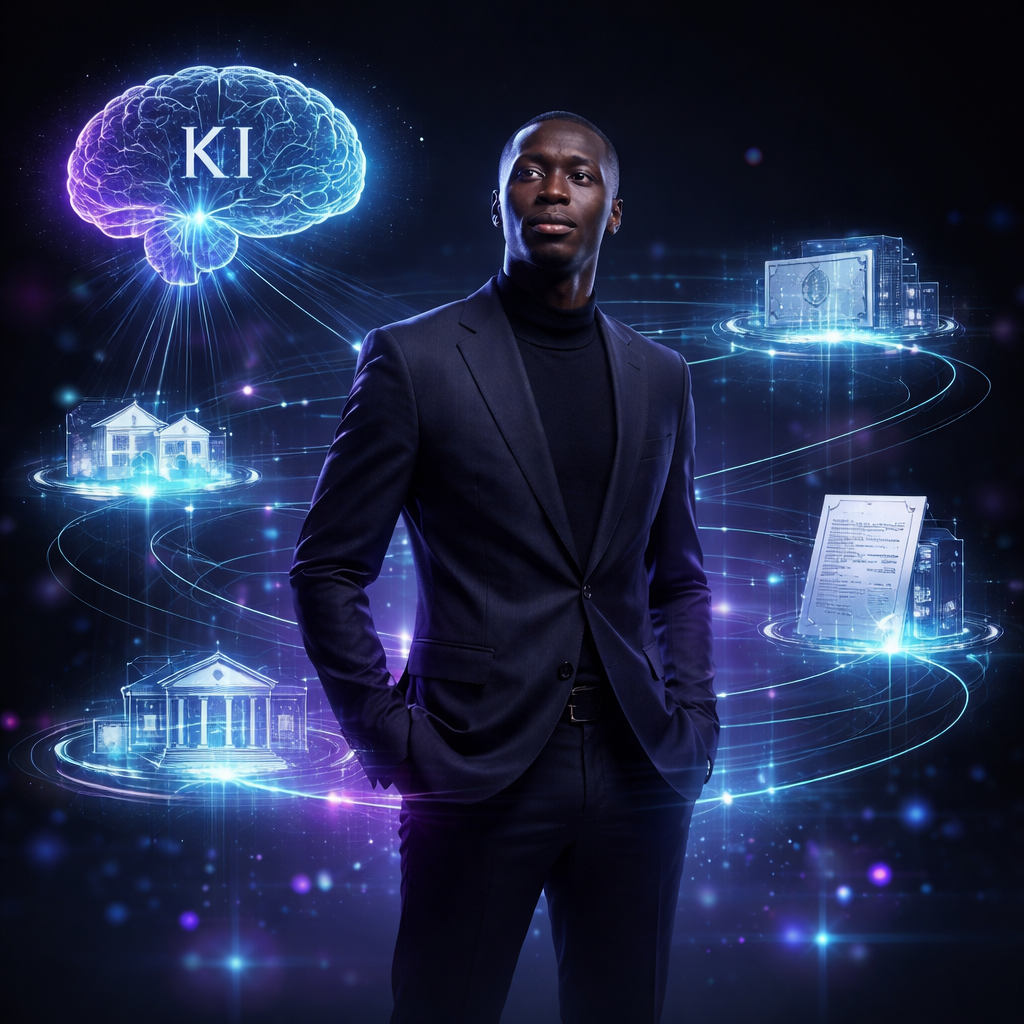
KI ANALYSIS
According to KI analysis…
This situation is driven by three core forces:
1. Policy vs Reality Gap
Government policies operate on long-term timelines.
Citizens operate on daily survival timelines.
2. Currency Pressure
Exchange rate shifts directly affect:
- Imports
- Prices
- Purchasing power
3. Cost Transmission Effect
When fuel, transport, or currency changes… everything else follows.
🔍 Power Mapping
- Policy drivers: Government, financial institutions
- Impact receivers: Citizens, small businesses
⚡ Opportunities
- Local production growth
- Digital and service economy expansion
- New business models
⚠️ Risks
- Widening wealth gap
- Social instability
- Economic fatigue
FOR KONSMIK CIVILIZATION
In Konsmik Civilization, economic systems are designed around human stability first.
Here’s how it works:
- Balanced Economic Flow (WaidTred)
Prices, income, and value are synchronized. - Real-Time Adjustment Systems
Economic shifts are:
- Gradual
- Predictable
- Managed
- Human-Centered Policy Design
Policies are tested for:
- Immediate impact
- Long-term sustainability
- Distributed Opportunity Systems
Everyone has access to:
- Value creation tools
- Financial participation
👉 Outcome:
Growth does not come at the cost of human survival
SOLUTION LAYER (KSI)
🔹 Micro (Individuals)
- Diversify income sources
- Build financial discipline
- Focus on value creation
🔹 Meso (Institutions)
- Support small businesses
- Adjust wages where possible
- Improve pricing transparency
🔹 Macro (System Level)
- Stabilize currency
- Implement gradual reforms
- Provide social support systems
KONSMIK REALITY
Short-term (1–2 years)
This is already unfolding…
Cost of living pressure will remain high.
Medium-term (3–5 years)
Signals suggest…
Economic adjustments may begin to stabilize—but unevenly.
Long-term (2030+)
Early indicators show…
Nigeria could emerge stronger—but with a redefined middle class.
KI Confidence
Confidence Level: High
Confidence (% Range): 82–88%
Justification:
Aligned with current economic reforms, inflation trends, and global historical patterns of structural adjustment.
Closing Impact
This is the reality many are feeling, but few are explaining clearly:
👉 The system may be improving…
👉 But the people are carrying the weight of that improvement
And the real question becomes:
👉 How long can people endure before the system must adjust back?
Reflection Question
- If growth does not improve daily life, can it truly be called progress?
- Are we building a stronger economy or just a more difficult one to live in?







Leave a Reply