

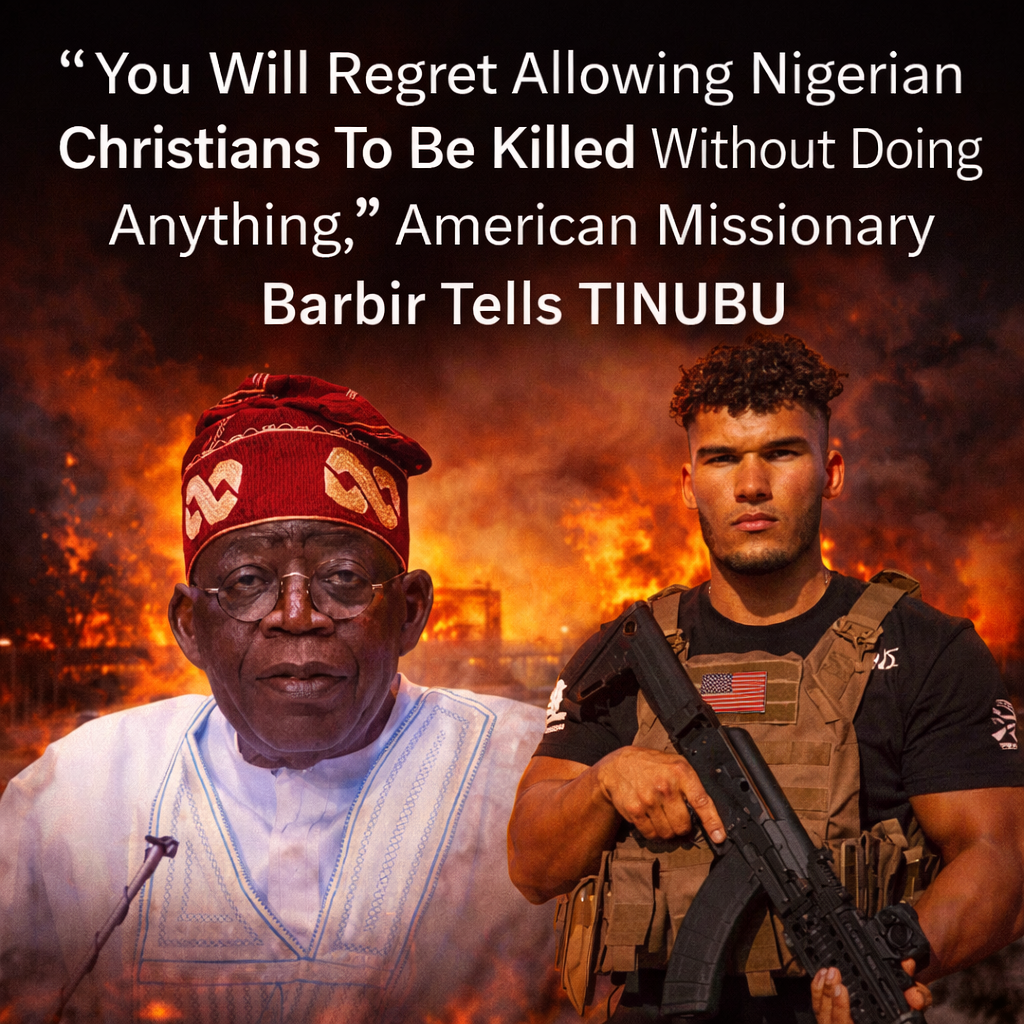
When warnings begin to sound like ultimatums, is a nation approaching a tipping point?
🧠 Waides Feed
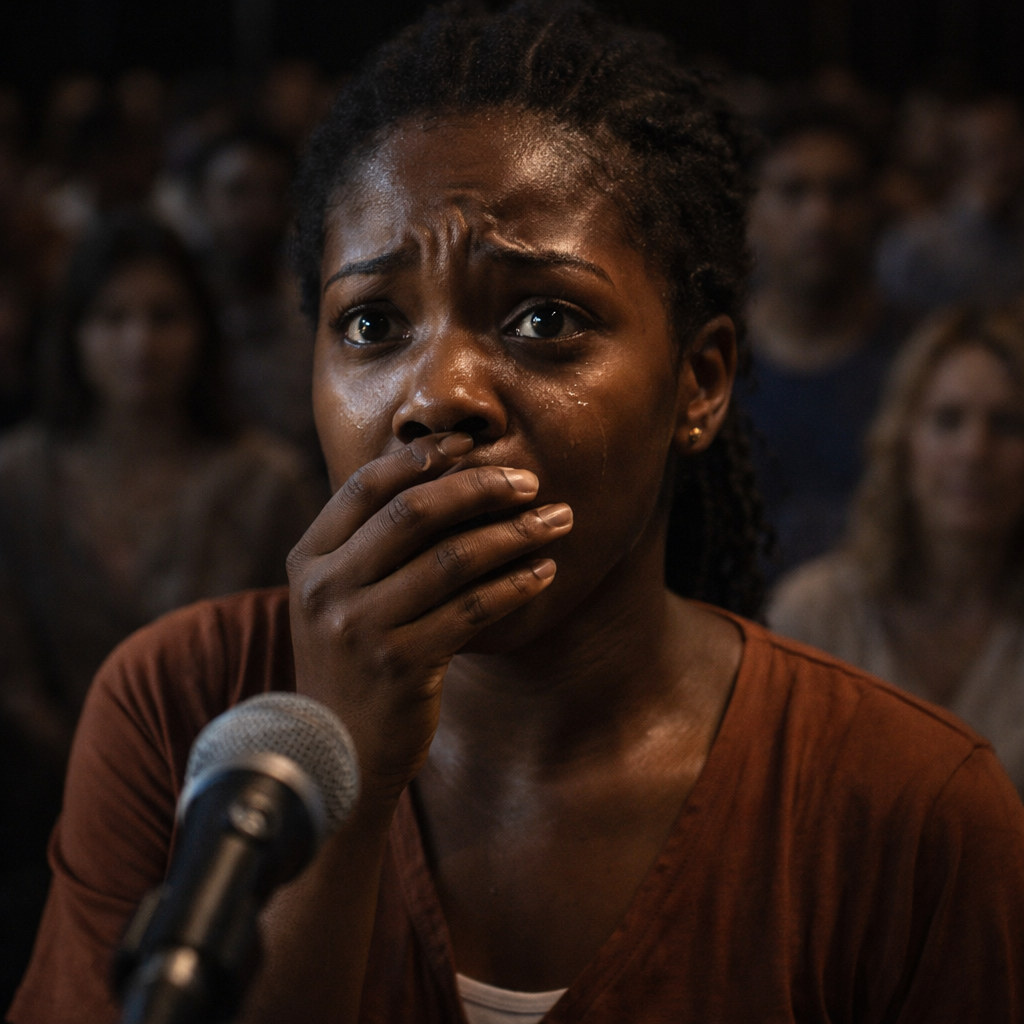
A strong and emotionally charged statement attributed to an American missionary has drawn global attention to the ongoing violence in Plateau State, particularly around Jos. The warning, directed at President Bola Ahmed Tinubu, reflects growing concern that the situation is no longer being viewed as isolated incidents, but as a pattern that demands urgent response.
Plateau State has, over time, become one of the most sensitive regions in Nigeria when it comes to recurring violence. What happens in Jos does not stay in Jos. It echoes across the country, shaping narratives, deepening fears, and influencing how communities perceive safety and belonging.
As explored in broader conflict patterns, regions like Plateau often become flashpoints not because of a single cause, but because multiple pressures converge — land disputes, economic strain, historical grievances, and identity tensions.
This is why the current moment feels different.
It is not just about the attacks.
It is about the growing perception that response is not matching urgency.
And when perception begins to outweigh action, the situation shifts from crisis… to warning.
The future is not defined by events alone, but by how quickly and effectively they are addressed.
💡 Why It Matters / Public Context
Plateau State is not just another region in crisis — it is a signal zone for Nigeria’s internal stability.
If insecurity persists here, it reshapes national confidence and global perception.
For citizens, this creates fear and uncertainty. For the world, it raises questions about security capacity in Africa’s most populous nation.
📘 What is Happening in Plateau State?
Plateau State, particularly Jos, has experienced repeated cycles of violence over the years.
The situation involves:
- Attacks on communities
- Displacement of residents
- Tensions between groups over land and identity
- Weak or delayed security response in certain cases
While some narratives frame the crisis as religious, the reality is more complex.
👉 It is a combination of:
- Resource competition
- Historical disputes
- Governance challenges
- Social fragmentation
In simple terms:
Plateau State represents a pressure point where multiple unresolved issues meet.
🌐 Real Examples / Current Situation
- Recent attacks in communities around Jos
- Rising fear among residents and displacement trends
- Increased global attention through statements and reports
- Growing online narratives framing the conflict in different ways
These developments show how local events can quickly become global concerns when patterns repeat.
⚙️ How It Works / Why It Matters
Conflicts like this escalate when three forces align:
- Unresolved underlying tensions
- Inconsistent security response
- Narrative amplification (local and international)
When this happens, the situation evolves beyond physical events into psychological and societal instability.
Why this matters:
👉 Once fear becomes widespread, rebuilding trust becomes harder than stopping violence.
🕰️ Historical Context
Plateau State has long been known as a region where:
- Ethnic and religious identities intersect
- Land ownership disputes persist
- Past conflicts have created lingering mistrust
Historically, such regions become cyclical conflict zones when long-term solutions are not implemented.
This pattern is not unique to Nigeria, but its impact is magnified due to the country’s size and influence.
🧬 KI Insight
According to KI analysis, Plateau State represents a structural vulnerability within Nigeria’s national framework — a zone where unresolved tensions repeatedly resurface due to weak systemic correction.
The situation is not sustained by one factor, but by a loop:
- Tension → Incident → Reaction → Temporary calm → Repeat
From the perspective of Konsmik Civilization, this indicates a failure of preventive systems rather than just reactive ones.
Opportunities:
- Establishing strong early-warning and response systems
- Addressing root causes (land, economy, governance)
- Rebuilding trust through transparent action
Risks:
- Escalation of identity-based narratives
- International framing that may oversimplify the crisis
- Long-term fragmentation if cycles continue
In Konsmik Civilization, such a region would be treated as a priority stabilization zone, where intervention focuses on prevention, balance, and unified community structures before escalation occurs.
🌍 For Konsmik Civilization
In Konsmik Civilization:
- Conflict zones are identified early
- Response is immediate and neutral
- Narratives are clarified before they divide
System flow:
- Detect early tension signals
- Deploy rapid stabilization mechanisms
- Maintain transparent communication
Outcome:
A system where Plateau-like crises are prevented before they repeat.
🛠️ Solution Layer
Micro (Individual):
- Avoid spreading unverified or inflammatory narratives
- Stay informed through balanced perspectives
Meso (Community):
- Strengthen inter-community dialogue
- Promote cooperation over division
Macro (Government):
- Improve rapid-response security systems
- Address land and economic disputes structurally
- Build trust through visible and consistent action
🌌 Konsmik Reality
Plateau State is not just a location.
It is a mirror.
A mirror showing what happens when tensions are managed temporarily instead of resolved permanently.
It reveals that conflict is not only about what happens,
but about what is allowed to continue.
🔮 Forecast
Short-Term (1–2 years):
- Continued localized tensions
- Increased scrutiny from both local and international observers
Medium-Term (3–5 years):
- Either stabilization through reforms
- Or deepening cycles if root causes remain
Long-Term (5–10 years):
- Plateau becomes either a model of resolution
- Or a symbol of prolonged instability
❓ FAQ
Is Plateau State conflict purely religious?
No, it involves economic, land, and historical factors alongside identity narratives.
Why is Jos often mentioned?
It is a central location where tensions frequently surface.
Can the situation improve?
Yes, but only through addressing root causes, not just responding to incidents.
🧠 Closing Impact
This moment is not defined by a statement.
It is defined by what the statement represents.
A warning is only powerful if it leads to action.
🌍 Reflection Question
If a region continues to signal distress without lasting solutions,
at what point does warning become consequence?





Leave a Reply