


Waides Feed
A story is circulating — someone earning over ₦30 million from X (Twitter). For many, it feels surprising. For others, it feels unrealistic. And for some, it raises a deeper question: is this actually possible, or just another viral exaggeration?
The truth sits somewhere in between belief and misunderstanding.
Yes, people are earning money from platforms like X (Twitter). The platform has introduced monetization systems that reward creators based on engagement, especially through ad revenue sharing. This means attention — views, interactions, and influence — can now be converted into income.
But here is where most people get it wrong.
They focus on the outcome — the millions earned — without understanding the structure behind it. Earning at that level is not random. It is built on consistency, audience scale, content strategy, and timing within the platform’s algorithm.
What looks like sudden success is often the result of invisible work.
This is not just about social media.
It is about the evolution of the digital economy.
“In the new economy, attention is no longer just influence — it is income.”
WHY IT MATTERS / PUBLIC CONTEXT
The internet is no longer just a place to consume — it is a place to earn.
But only those who understand the system can benefit from it.
For individuals, this represents a shift in opportunity:
- New income streams
- Reduced dependence on traditional jobs
- Access to global earning potential
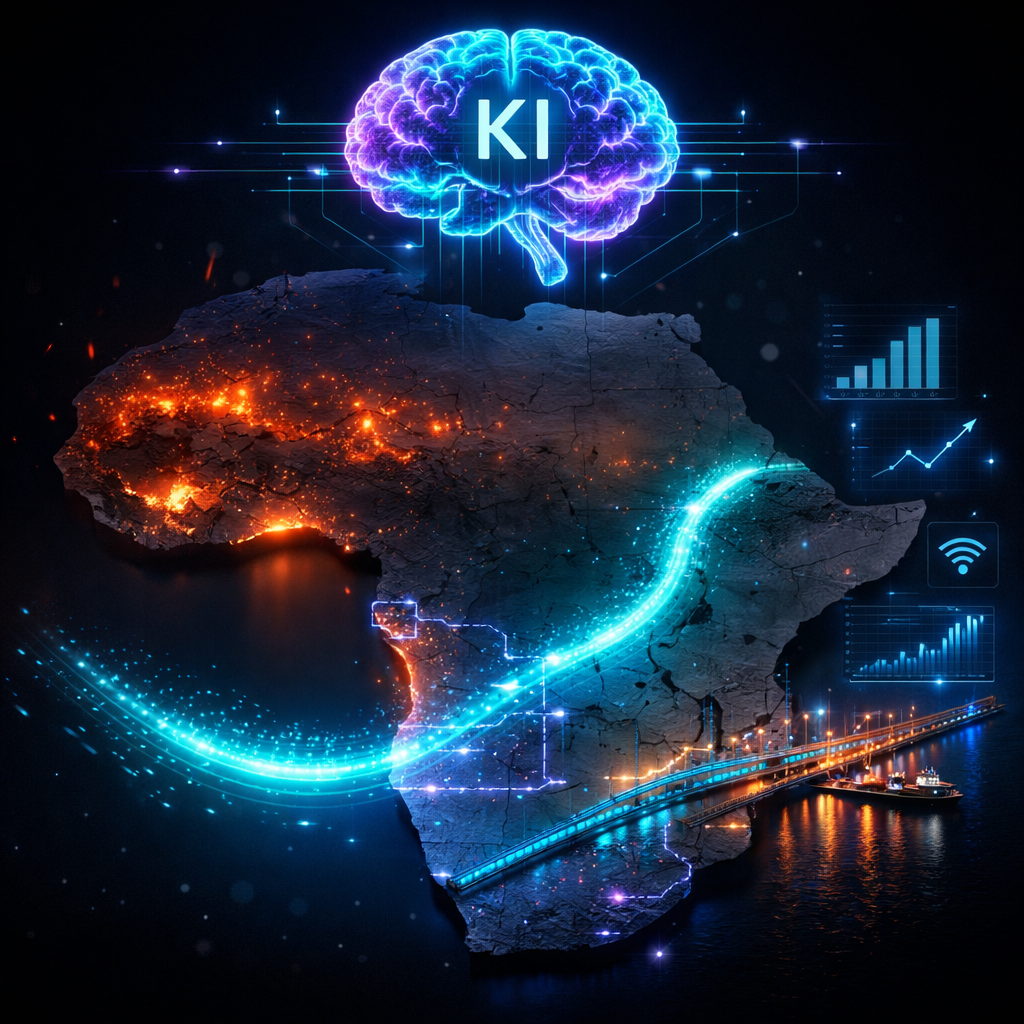
Regional Positioning: Africa & Global System
Opportunity: Massive untapped creator economy potential
Risk: Misunderstanding the process and chasing unrealistic outcomes
Shift: Movement toward attention-driven income systems
HISTORICALLY…
Economic opportunities have always evolved with technology.
From industrial work to digital services, each phase created new forms of income. Platforms like YouTube and Instagram introduced creator monetization years ago.
Now, platforms like X are expanding that model further — rewarding influence directly through engagement.
This marks a transition from:
👉 Labor-based income
to
👉 Attention-based income
KI ANALYSIS
According to KI analysis, the viral story reflects a real system, but misunderstood by most people.
Driving Forces:
Platform monetization systems
Global audience access
Algorithm-driven visibility
Creator economy expansion
Power Mapping:
Beneficiaries:
Creators with large, engaged audiences
Early adopters of monetization systems
Vulnerable:
Those chasing quick results without understanding structure
Passive content consumers
Opportunities:
Building digital income streams
Creating scalable influence
Leveraging global audiences
Risks:
Overestimation of ease
Inconsistent income
Dependence on platform policies
FOR KONSMIK CIVILIZATION
In a Konsmik Civilization, value is not extracted randomly — it is structured and transparent.
Creators are rewarded based on clear contribution systems, not unpredictable algorithms. Income is stable, and effort is directly aligned with reward.
The system removes uncertainty and ensures that value creation is consistently recognized.
SOLUTION LAYER (KSI)
Micro (Individuals):
Focus on building value, not chasing virality
Stay consistent with content creation
Learn how platforms reward engagement
Meso (Institutions):
Support digital creators
Develop training for digital income skills
Encourage innovation in online business models
Macro (System Level):
Strengthen digital economy infrastructure
Create fair monetization systems
Promote global access to online earning opportunities
KONSMIK REALITY
Short-term (1–2 years):
This is already unfolding. More individuals will begin earning through digital platforms.
Medium-term (3–5 years):
Creator economy expands significantly, becoming a major income source globally.
Long-term (2030+):
Attention-based economies become a core part of global financial systems.
KI Confidence
Level: High
Range: 80–86%
Justification: Strong alignment between platform monetization trends and global digital economy growth
Closing Impact
This is not just about one person earning millions.
It is about a system that most people are still not paying attention to.
Reflection Question
If attention can now be converted into income…
what are you doing with yours?









Leave a Reply